How to Lower Blood Sugar Naturally: An Honest, Evidence-Based Guide

VitaGlobe Editorial Team
Independent research desk — evidence reviewed against peer-reviewed sources
If a blood test gave you a wake-up call
Maybe a routine test came back “borderline.” Maybe you feel the afternoon crash and shaky cravings and you are connecting the dots. Either way, wanting to steady your blood sugar naturally is a smart, proactive instinct — and the good news is that the most powerful levers are free. Let us walk through them honestly.
One thing first: if you have been diagnosed with diabetes, none of this replaces your treatment or your doctor. Think of what follows as the foundation that supports good metabolic health — not a substitute for medical care.
What a blood-sugar “spike” actually is
When you eat carbohydrates, your blood sugar rises and your body releases insulin to bring it back down. Big, fast spikes — and the crashes that follow — drive cravings, energy dips, and, over time, strain your metabolism. The goal is not zero carbs; it is gentler, steadier curves.
The free habits that genuinely work
Walk after meals. This is the most underrated tool there is. Even a 10–15 minute walk after eating measurably lowers the post-meal spike, because working muscles pull glucose out of your blood.
Eat your food in the right order. Starting a meal with vegetables and protein, and saving the starchy carbs for last, meaningfully flattens the glucose curve compared with eating the carbs first. Same meal, gentler spike.
Pair carbs with fiber, protein, and fat. Naked carbs spike fastest. Adding fiber (vegetables, beans), protein, or healthy fat slows digestion and softens the curve.
Prioritize fiber and whole foods. Viscous fiber from oats, legumes, and vegetables is one of the best-studied ways to improve blood-sugar control. Ultra-processed, refined carbs do the opposite.
Sleep and stress matter more than you think. A single poor night raises blood sugar the next day, and chronic stress keeps it elevated through cortisol. They are part of the picture, not a side note.
Move toward a healthy weight. Even modest fat loss, especially around the middle, improves insulin sensitivity significantly.
Supplements with real (and honest) evidence
Where a supplement fits
A blood-sugar supplement is a small support on top of food and movement — not a license to keep the old habits. If you are weighing one, the key is whether it discloses its doses and avoids overblown claims.
See our metabolism-support guide for more.
Please do not skip this
Excessive thirst, frequent urination, unexplained weight loss, blurred vision, or persistent fatigue can be signs of high blood sugar that needs medical attention — not a supplement. And if you already take diabetes medication, adding something like berberine without telling your doctor can push your blood sugar dangerously low. This is exactly where professional guidance matters.
Bottom line
Walk after meals, eat veggies and protein before carbs, lean on fiber and whole foods, sleep well, and manage your weight — these steady blood sugar more than any pill. Supplements like berberine and magnesium can support, modestly and with caution. See a doctor for diagnosis, symptoms, or any change to medication. This is general information, not medical advice.
Frequently Asked Questions
What is the fastest way to lower blood sugar naturally?
A short walk after eating is one of the quickest, best-proven tools — working muscles pull glucose from your blood and blunt the post-meal spike. Eating vegetables and protein before carbs helps too.
Does berberine lower blood sugar?
Berberine has real research for improving blood-sugar markers, but it needs meaningful doses split through the day, often causes digestive upset, and can interact with diabetes medication — so talk to a doctor before combining them.
Can I manage blood sugar with diet alone?
Lifestyle is the foundation and often improves blood sugar a lot, especially for prediabetes. But diagnosed diabetes needs medical care, and symptoms like excessive thirst or unexplained weight loss require a doctor, not self-treatment.
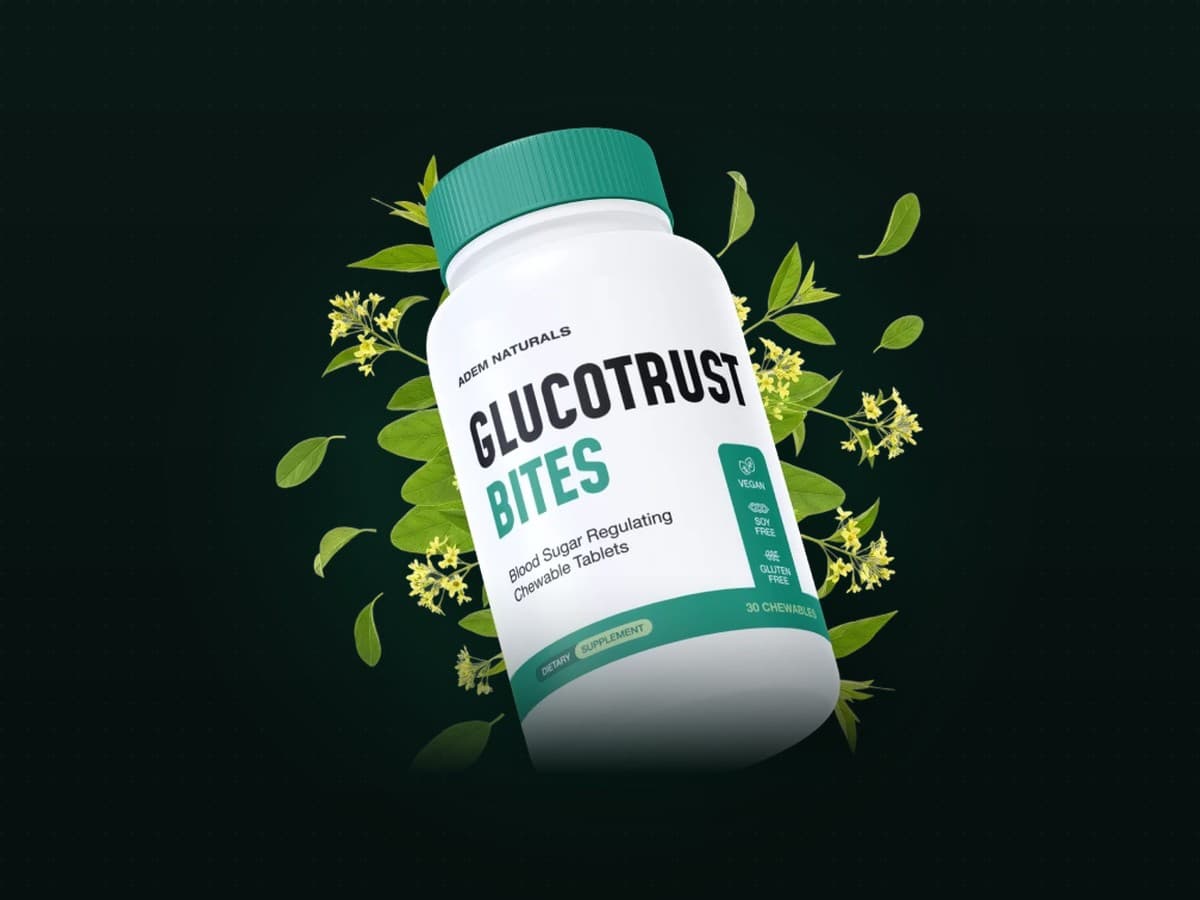
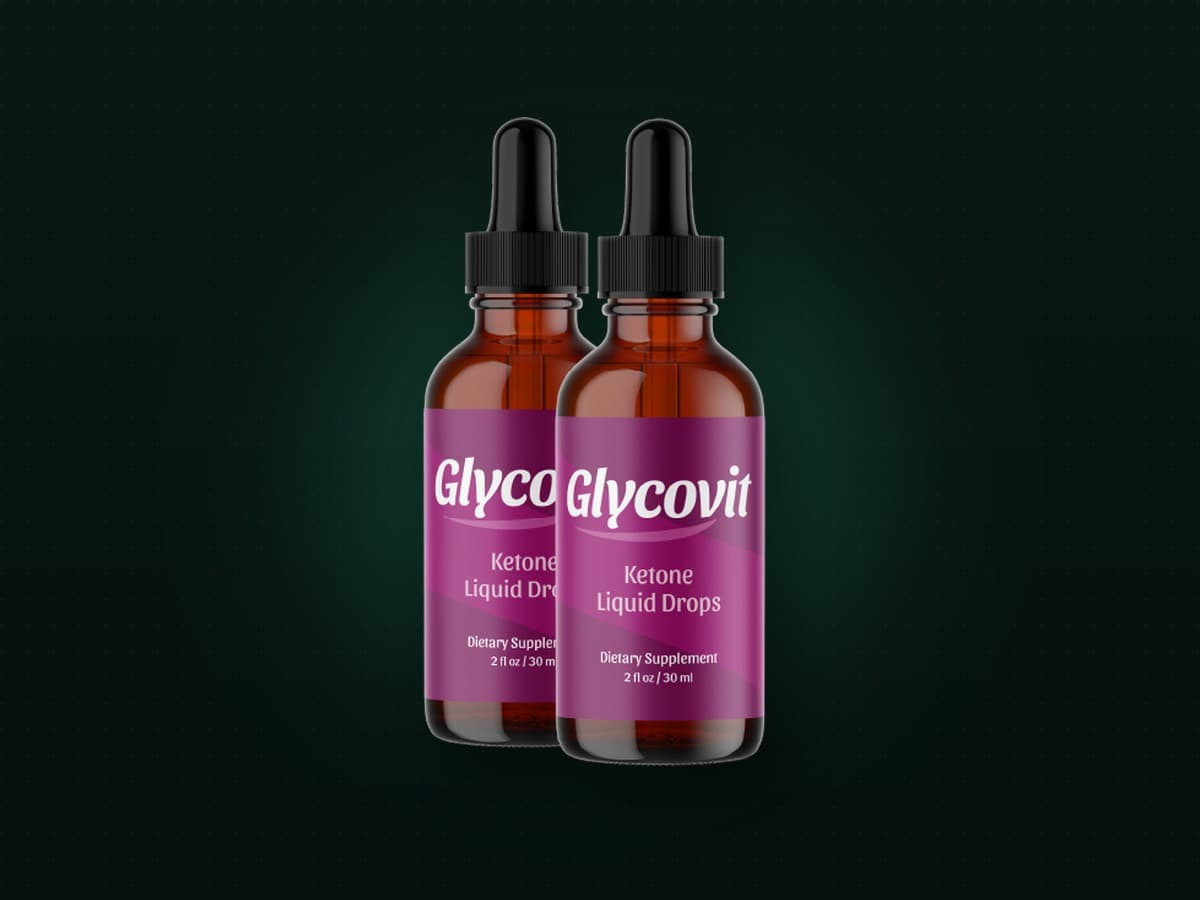
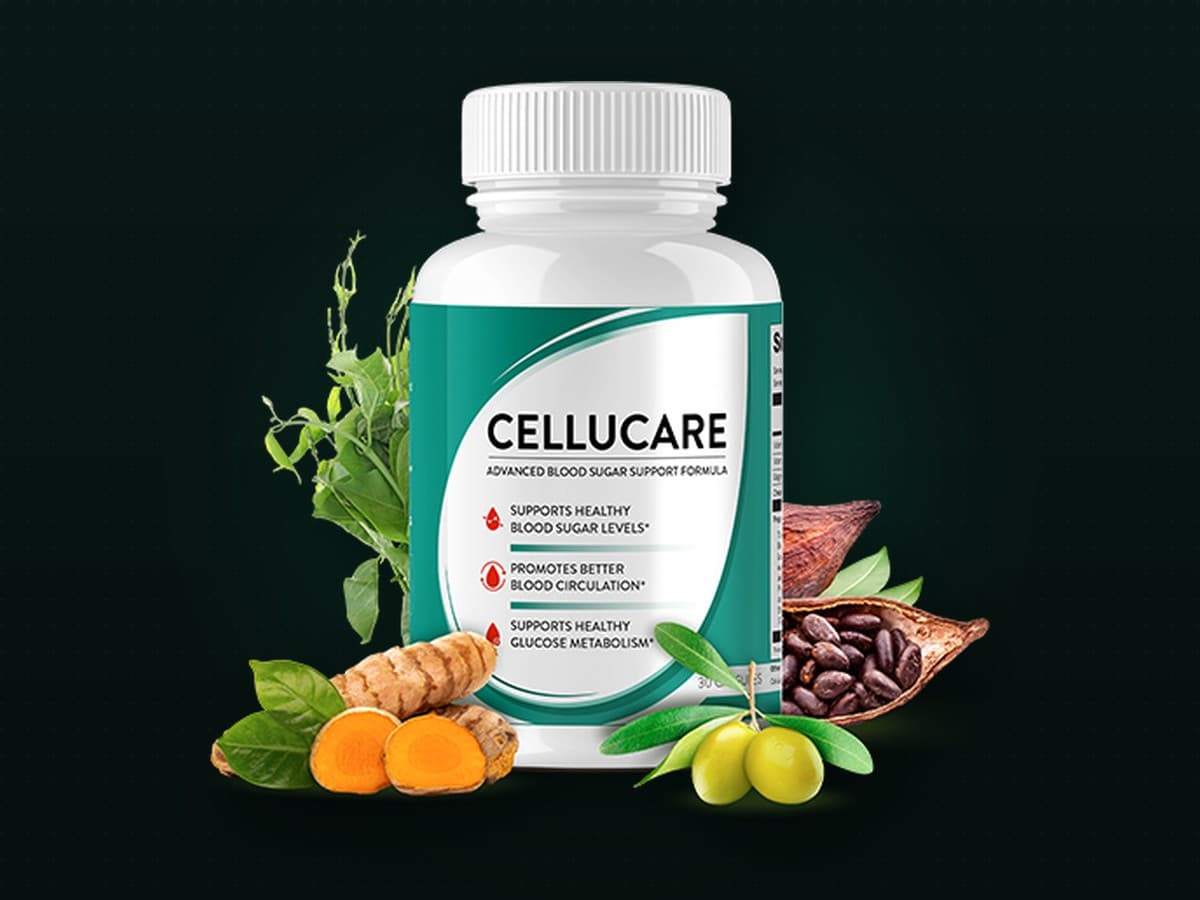
Supplements we've reviewed on this topic
Thinking about a product? Read our honest, evidence-based breakdown before you buy.

VitaGlobe Editorial Team
Independent research desk — evidence reviewed against peer-reviewed sources
The VitaGlobe editorial team researches supplements against published, peer-reviewed evidence. We use indicative language, cite real findings, and flag where evidence is weak. This is general information, not medical advice.