
Magnesium Glycinate vs Citrate: Which One Should You Take?

VitaGlobe Editorial Team
Independent research desk — evidence reviewed against peer-reviewed sources
Glycinate or Citrate? Pick the Right One in 30 Seconds
Standing in the magnesium aisle is weirdly overwhelming — glycinate, citrate, oxide, threonate, malate, a dozen more. Here is the shortcut: for most people the real choice is just glycinate vs. citrate, and they are both good — just good at different things. Pick the wrong one and you might end up wired when you wanted calm, or running to the bathroom when you wanted sleep. Here is the no-jargon version so you can choose in thirty seconds.
The quick answer
If you only remember one line, that is it. Now the detail.
Magnesium glycinate
Glycinate is magnesium bound to glycine, a calming amino acid. It is gentle on the stomach (least likely to cause loose stools) and tends to feel soothing, which is why it is the go-to for sleep, stress, and everyday use. If you want a single all-rounder and do not need a laxative effect, this is usually it.
Magnesium citrate
Citrate is magnesium bound to citric acid. It is well absorbed and mildly laxative — which is a feature if you struggle with constipation, and a downside if you do not (it can loosen stools at higher doses). It is a solid, affordable choice when digestion is part of your goal.
A quick word on the one to avoid for absorption
Magnesium oxide is the cheap form in many bargain products. It is poorly absorbed and mostly acts as a laxative — fine for occasional constipation, not great if your goal is actually raising your magnesium levels. Check the label; you often get oxide without realizing it.
How to choose by your goal
Dosing and cautions
Supplemental magnesium is usually taken in the few-hundred-milligram range; the universal “you’ve had too much” signal is loose stools — back off if that happens. People with kidney disease should not supplement without medical advice, and magnesium can interact with some antibiotics and thyroid medication, so space them a few hours apart.
Where it fits
If better sleep is your reason for buying magnesium, glycinate is often exactly why a sleep formula helps. Some sleep formulas are built around magnesium glycinate, and our guides to natural sleep aids and magnesium overall put it in context.
Bottom line
For sleep, stress, or a sensitive stomach, choose magnesium glycinate. For absorption with a constipation benefit, choose citrate. Avoid relying on poorly absorbed oxide, watch for loose stools as your “enough” signal, and check with a doctor if you have kidney issues or take medication. This is general information, not medical advice.
Frequently Asked Questions
Is magnesium glycinate or citrate better for sleep?
Glycinate is the better pick for sleep and stress — it is bound to the calming amino acid glycine and is gentle on the stomach. Citrate is better if you also want help with constipation.
What is the difference between glycinate and citrate?
Glycinate is calming and easy on the stomach, ideal for sleep and sensitive digestion. Citrate is well absorbed and mildly laxative, making it good when constipation is part of your goal.
Which magnesium should I avoid?
Magnesium oxide is cheap but poorly absorbed and mostly acts as a laxative, so it is a weak choice if your goal is actually raising magnesium levels. Check labels, as it is common in bargain products.
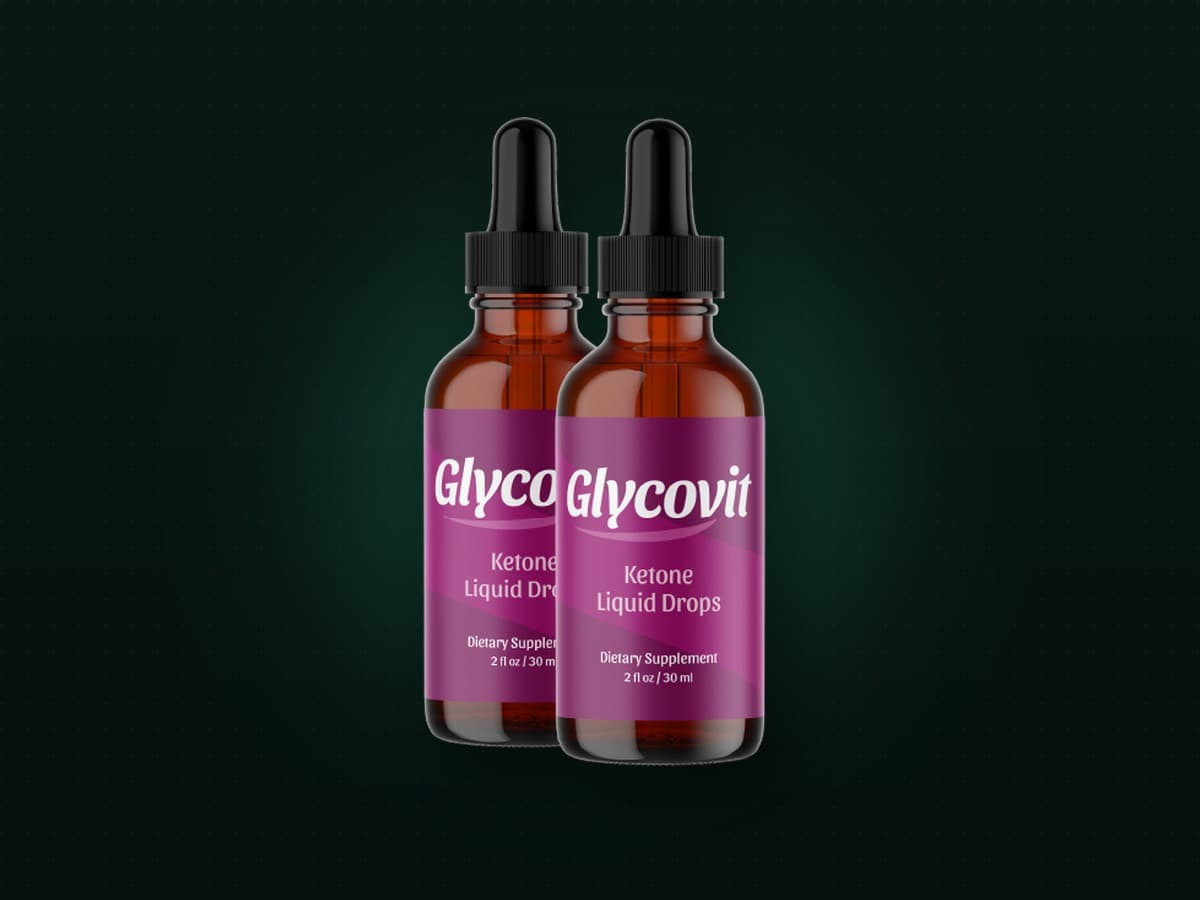
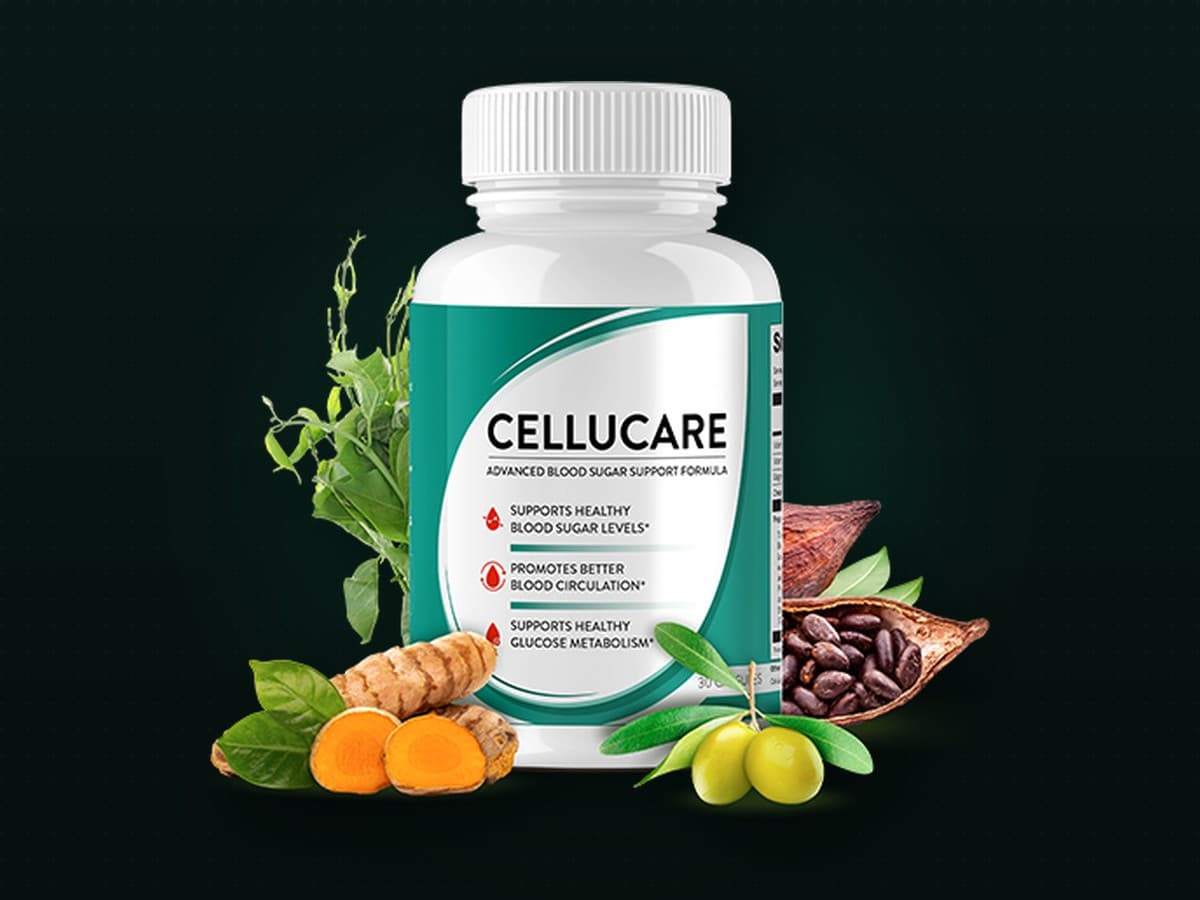
Supplements we've reviewed on this topic
Thinking about a product? Read our honest, evidence-based breakdown before you buy.


VitaGlobe Editorial Team
Independent research desk — evidence reviewed against peer-reviewed sources
The VitaGlobe editorial team researches supplements against published, peer-reviewed evidence. We use indicative language, cite real findings, and flag where evidence is weak. This is general information, not medical advice.