How to Prevent Recurring UTIs Naturally: Cranberry, D-Mannose and the Real Evidence

VitaGlobe Editorial Team
Independent research desk — evidence reviewed against peer-reviewed sources
First, a rule that could save you a kidney infection
If you have had a UTI, you know the dread of feeling one start again — and the temptation to just order something online to make it stop. So before anything else, one rule that matters more than any tip in this article: prevention and treatment are completely different things. Everything here is about reducing how often UTIs come back — none of it treats an active infection. If you have burning, urgency, cloudy or bloody urine, fever or back pain, that needs a doctor and possibly antibiotics; trying to ride it out with supplements risks the infection climbing to your kidneys. With that settled, here is what genuinely helps prevent the next one.
With that firmly established, here is what genuinely helps with prevention.
Cranberry — but it is about PACs, not juice
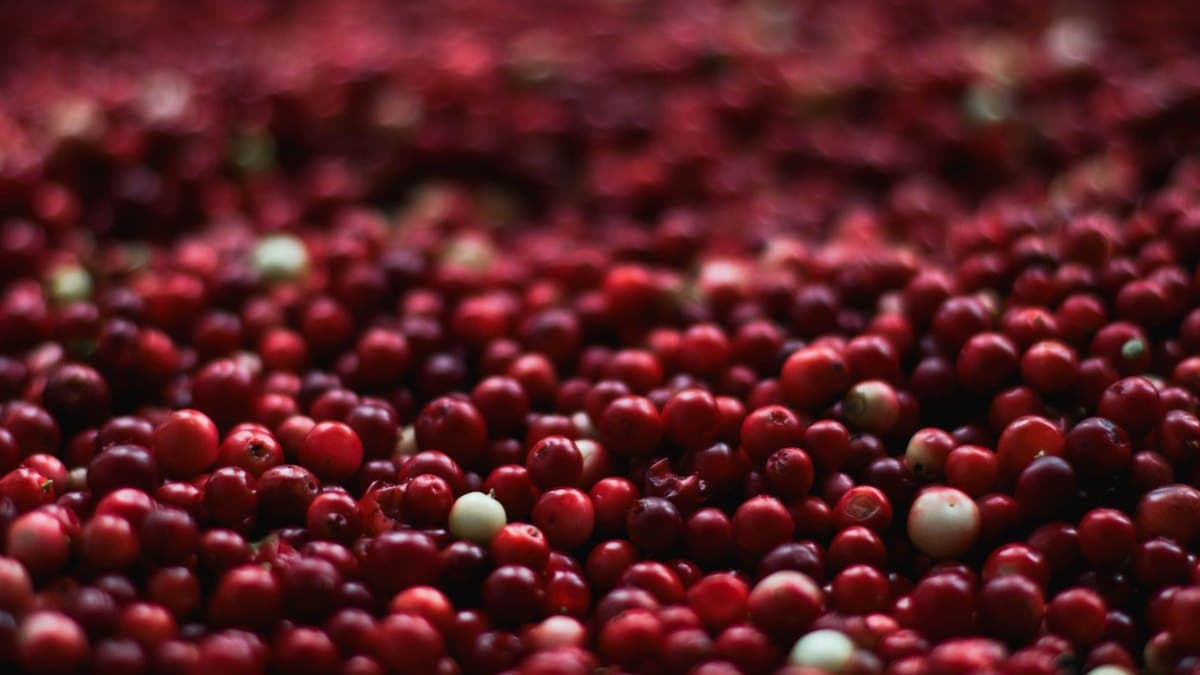
Cranberry has a real, specific mechanism: compounds called proanthocyanidins (PACs) help stop certain bacteria (mainly E. coli) from sticking to the urinary tract wall. If bacteria can’t adhere, they are more likely to get flushed out.
The catch most articles miss: the PAC dose is what matters, not just “cranberry.” Sugary cranberry juice delivers little usable PAC and a lot of sugar. Concentrated extracts standardized for PAC content are the version studied for prevention. This is exactly why, when we look at cranberry-based products, the thing to check is whether the PAC content is disclosed.
D-mannose — simple and promising
D-mannose is a natural sugar that works by a similar “anti-stick” principle: E. coli bind to the mannose instead of to your bladder wall, and get flushed away. Several studies suggest it can help prevent recurrent UTIs in women, and it is generally well tolerated. Promising, and often used alongside cranberry.
Probiotics and the urinary microbiome
Your urinary and vaginal microbiomes are protective when balanced. Some trials suggest targeted probiotics (certain Lactobacillus strains) can reduce recurrent UTIs, including in post-menopausal women. The evidence is still developing, and — as always with probiotics — the specific strain and CFU count decide whether it helps. Our complete probiotics guide explains why those details matter so much.
The unglamorous basics that genuinely work
These sound basic, but they have better real-world evidence than most exotic ingredients.
A note on herbs like uva ursi
Some urinary formulas include bearberry (uva ursi), which has traditional antibacterial use. Two honest caveats: it is meant only for short-term use, which a daily supplement complicates, and it is not appropriate in pregnancy. It is a supporting ingredient, not a daily forever-solution.
An honest prevention plan
1. Hydrate well and do not hold urine.
2. Consider a PAC-standardized cranberry extract and/or D-mannose for prevention, ideally with your doctor’s awareness.
3. Consider a targeted probiotic if recurrent UTIs are a pattern.
4. See a doctor for any active infection — and for recurrent UTIs, ask about underlying causes.
Bottom line
For preventing recurrent UTIs, the evidence-backed tools are cranberry PACs, D-mannose, possibly a targeted probiotic, and the unglamorous basics of hydration and habits. But dose and strain matter, and none of this treats an active infection — that is a doctor’s job. Used correctly, as prevention alongside good habits, these are reasonable, low-risk strategies. This is general information, not medical advice.
Frequently Asked Questions
Can cranberry or D-mannose cure a UTI I already have?
No. Both are for prevention, not treatment. An active UTI — burning, urgency, fever, or blood in the urine — needs a doctor and often antibiotics. Delaying proper treatment risks the infection spreading to your kidneys.
Is cranberry juice as good as a cranberry supplement?
Usually not. The active compounds are proanthocyanidins (PACs), and sugary juice delivers little usable PAC with a lot of sugar. Concentrated extracts standardized for PAC content are the version studied for prevention.
Do probiotics help with UTIs?
Some trials suggest targeted Lactobacillus strains can reduce recurrent UTIs by supporting a balanced urinary and vaginal microbiome, though the evidence is still developing. The specific strain and CFU count determine whether a product is likely to help.
Supplements we've reviewed on this topic
Thinking about a product? Read our honest, evidence-based breakdown before you buy.



VitaGlobe Editorial Team
Independent research desk — evidence reviewed against peer-reviewed sources
The VitaGlobe editorial team researches supplements against published, peer-reviewed evidence. We use indicative language, cite real findings, and flag where evidence is weak. This is general information, not medical advice.