Third-Party Testing Explained: NSF, USP, and What Those Seals Actually Mean

VitaGlobe Editorial Team
Independent research desk — evidence reviewed against peer-reviewed sources
Why third-party testing matters
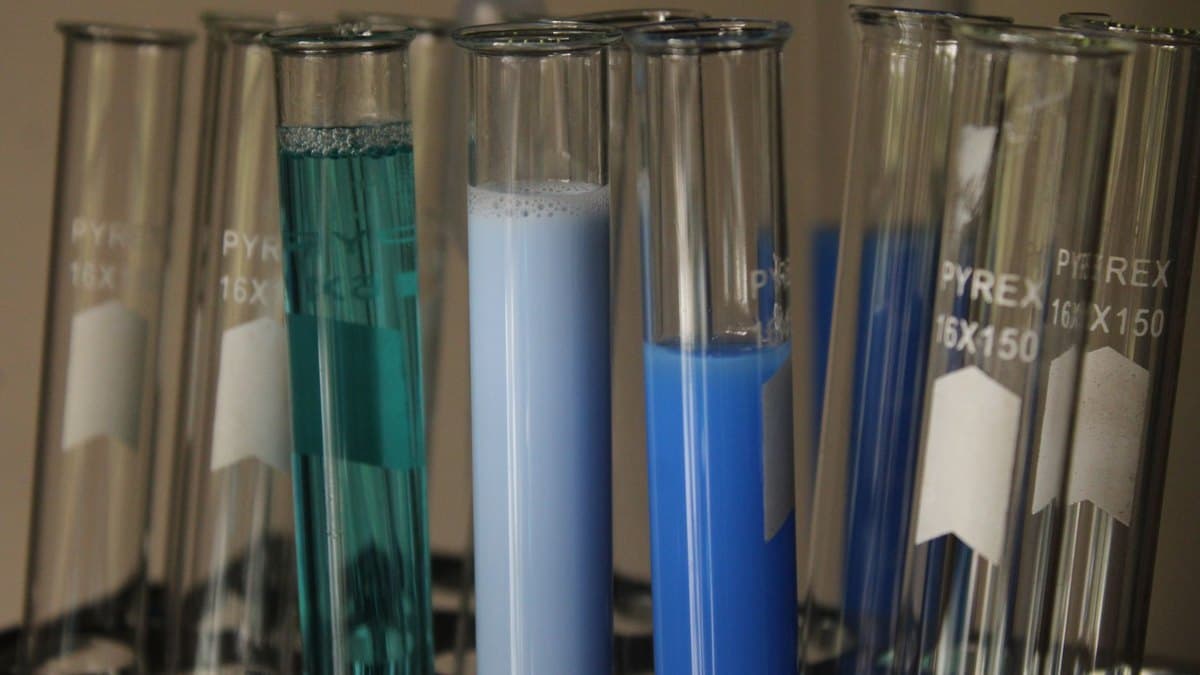
Because supplements are not vetted before sale (see are supplements FDA-approved?), you are largely trusting the manufacturer to put in the market what the label promises — nothing more, nothing less. Independent third-party testing is the check on that trust: a lab with no stake in sales verifies what is actually in the bottle. It is one of the few genuinely reliable quality signals in the entire industry.
What the major seals mean
What testing confirms — and what it doesn't
This is the crucial nuance. Third-party testing verifies quality and honesty, not effectiveness:
In other words, a seal tells you the label is trustworthy — but you still have to judge whether the ingredient and dose have real science, which is a separate question we cover in what “clinically proven” really means.
How to use this when shopping
1. Treat a seal as a plus, not a requirement. Many good products are untested simply because certification is expensive; its presence is reassuring, its absence is not damning.
2. Verify the seal. Certification programs keep public databases — a genuine mark can be looked up.
3. Combine signals. A disclosed dose plus third-party testing plus a realistic claim is a much stronger package than any one alone.
4. Remember the limit. Tested does not mean effective. Use our label guide and evidence guides to finish the job.
Bottom line
Third-party testing (USP, NSF, Informed Sport) is one of the most reliable quality signals in a market where nothing is pre-approved — it confirms that what is on the label is really in the bottle, at the right dose, without harmful contaminants. Just remember its boundary: it proves purity and honesty, not that the product works. Pair a seal with disclosed doses and real evidence, and you are shopping like a pro. This is general information, not medical advice.
Frequently Asked Questions
What does third-party testing prove about a supplement?
It verifies quality and honesty — that the product contains the listed ingredients at the stated doses, without harmful contaminants, and that the label is accurate. It does not prove the product is effective; that depends on the ingredient and dose having real evidence.
What is the difference between USP and NSF certification?
Both verify contents and screen for contaminants. USP Verified is a broad pharmaceutical-grade quality mark; NSF Certified is similar, and NSF Certified for Sport additionally screens for substances banned in competition, which matters for drug-tested athletes.
Should I only buy third-party tested supplements?
It is a strong plus but not an absolute requirement — certification is expensive, so many good products skip it. Its presence is reassuring; its absence is not damning. Combine testing with disclosed doses and real evidence for the best decision.

VitaGlobe Editorial Team
Independent research desk — evidence reviewed against peer-reviewed sources
The VitaGlobe editorial team researches supplements against published, peer-reviewed evidence. We use indicative language, cite real findings, and flag where evidence is weak. This is general information, not medical advice.