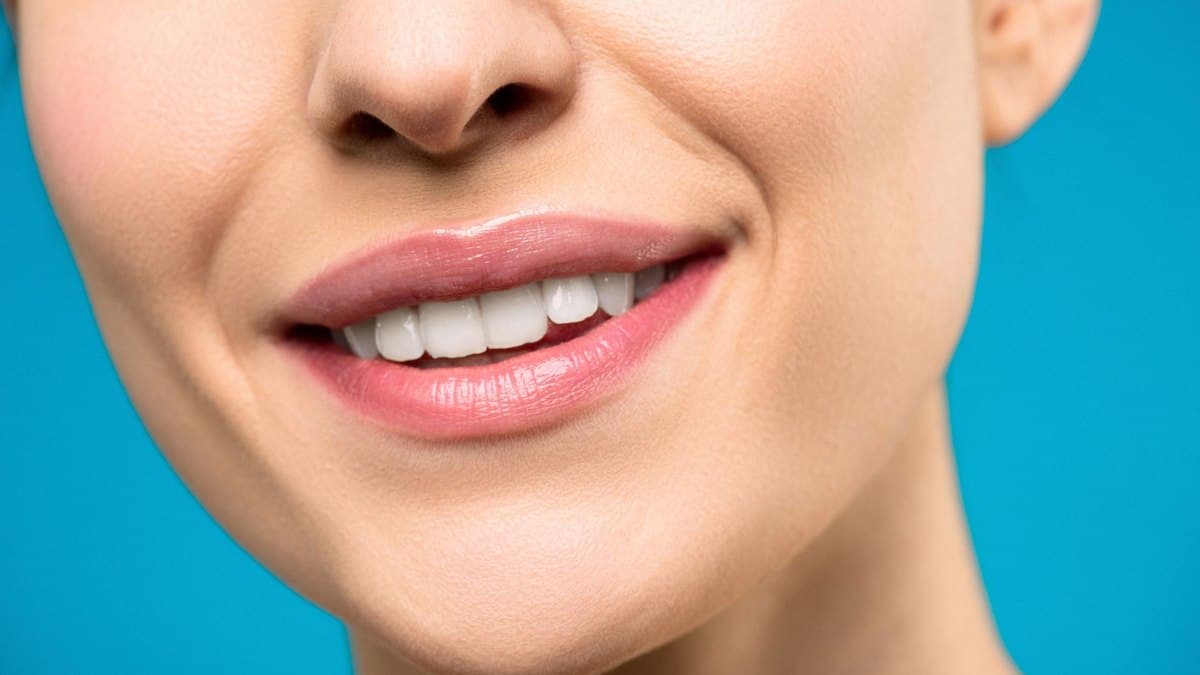
Do Oral Probiotics Work for Gum Health and Bad Breath?

VitaGlobe Editorial Team
Independent research desk — evidence reviewed against peer-reviewed sources
Can a Lozenge Really Change the Bacteria in Your Mouth?
Your mouth is its own little ecosystem, and oral probiotics promise to tip that balance back in your favor. It’s a genuinely interesting idea with early science behind it — as long as you’re clear-eyed about what it can, and can’t, replace.
Quick answer: The research is still early, but several studies suggest specific oral-probiotic strains — most notably Lactobacillus reuteri — may modestly support gum health and help with bad breath by shifting the balance of bacteria in the mouth. They are a complement to brushing, flossing and dental visits, not a replacement, and they do not treat cavities or established gum disease.
What “oral probiotics” actually are
Your mouth has its own microbiome — a community of hundreds of bacterial species living on the teeth, gums and tongue. When the balance tips toward harmful, acid- and odour-producing bacteria, you get plaque, gum inflammation and bad breath. Oral probiotics are beneficial strains, usually delivered in chewable tablets or lozenges so they linger in the mouth (rather than capsules you swallow, which head straight to the gut), that aim to compete with the problem bacteria and nudge the balance back.
That delivery detail matters: a probiotic designed for the gut is not automatically an oral probiotic. For mouth benefits, the strain has to actually dwell where the problem is.
The evidence for gum health
Among oral probiotics, L. reuteri has the most human research. Several randomized controlled trials and systematic reviews suggest certain strains may reduce markers of gingivitis (gum inflammation) and plaque when used alongside normal oral hygiene. The effects are real but modest, strain-specific, and not consistent across every study — which is why the honest label for this evidence is “preliminary,” not “proven.” It is also worth noting benefits generally fade once you stop taking them, so this is maintenance, not a cure.
What about bad breath?
Chronic bad breath (halitosis) is often driven by sulphur-producing bacteria on the tongue and gums. Some small studies suggest oral probiotics may reduce these compounds and freshen breath for a period, though results vary and, again, tend to fade after you stop. They can be a reasonable add-on — but persistent bad breath deserves a dental check, because it can signal gum disease, an abscess, or issues beyond the mouth entirely.
What oral probiotics cannot do
Here is the honest boundary. They are not a treatment for cavities or established gum disease, and they do not replace the basics that do the real work: brushing twice daily, cleaning between the teeth, and regular professional cleanings. Our guide on improving gum health naturally covers those foundations. Anyone who is immunocompromised should check with a doctor before taking any probiotic, oral or otherwise.
Think of oral probiotics as a possible “plus,” layered on top of good habits — never a substitute for them.
How to judge an oral-probiotic product
If you decide to try one, the questions that matter are specific, and most marketing avoids them:
A product that will not disclose those details is one you cannot evaluate. Our guide on how to read a supplement label applies the same habit to anything on the shelf.
Bottom line
Oral probiotics are a genuinely promising, early-stage idea: specific strains — L. reuteri above all — may modestly help gum inflammation and bad breath by rebalancing the mouth’s bacteria. But the evidence is preliminary, the benefits are maintenance rather than cure, and nothing here replaces brushing, flossing and the dentist. Use them as a considered add-on, check the strains and CFU, and see a dental professional for any real gum problem. This is general information, not medical advice.
Frequently Asked Questions
Do oral probiotics actually work?
Early research, especially on Lactobacillus reuteri strains, suggests they may modestly support gum health and reduce bad breath when used alongside normal hygiene. The evidence is preliminary and strain-specific, not definitive.
Can oral probiotics replace brushing and flossing?
No. They are a complement to good oral hygiene and dental care, not a replacement. Brushing twice daily, flossing and regular cleanings remain essential.
Do oral probiotics cure gum disease or cavities?
No. They do not treat established gum disease or cavities. Persistent gum problems or bad breath should be checked by a dentist.
How do you take oral probiotics?
They usually come as chewable tablets or lozenges designed to dissolve slowly in the mouth so the bacteria can linger, often used once daily after brushing. Follow the product label.
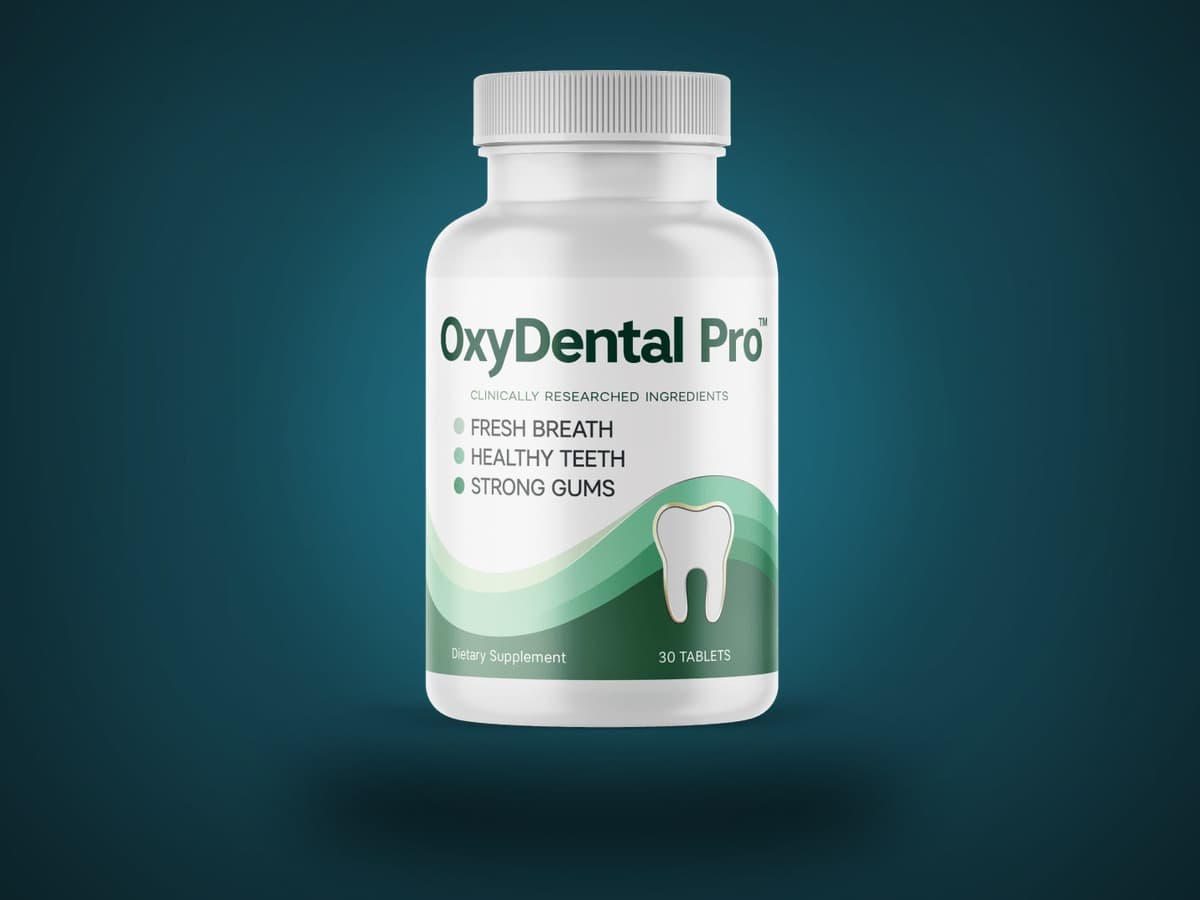
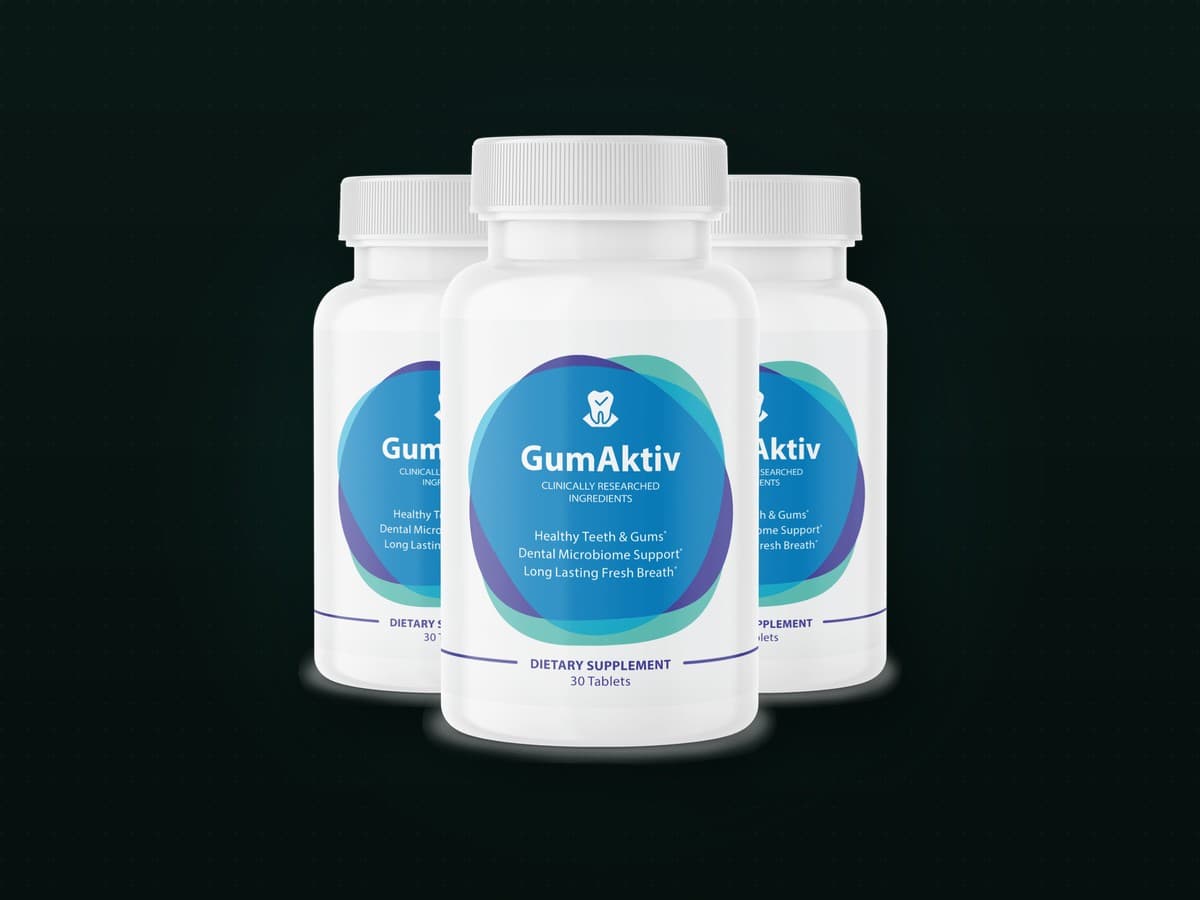
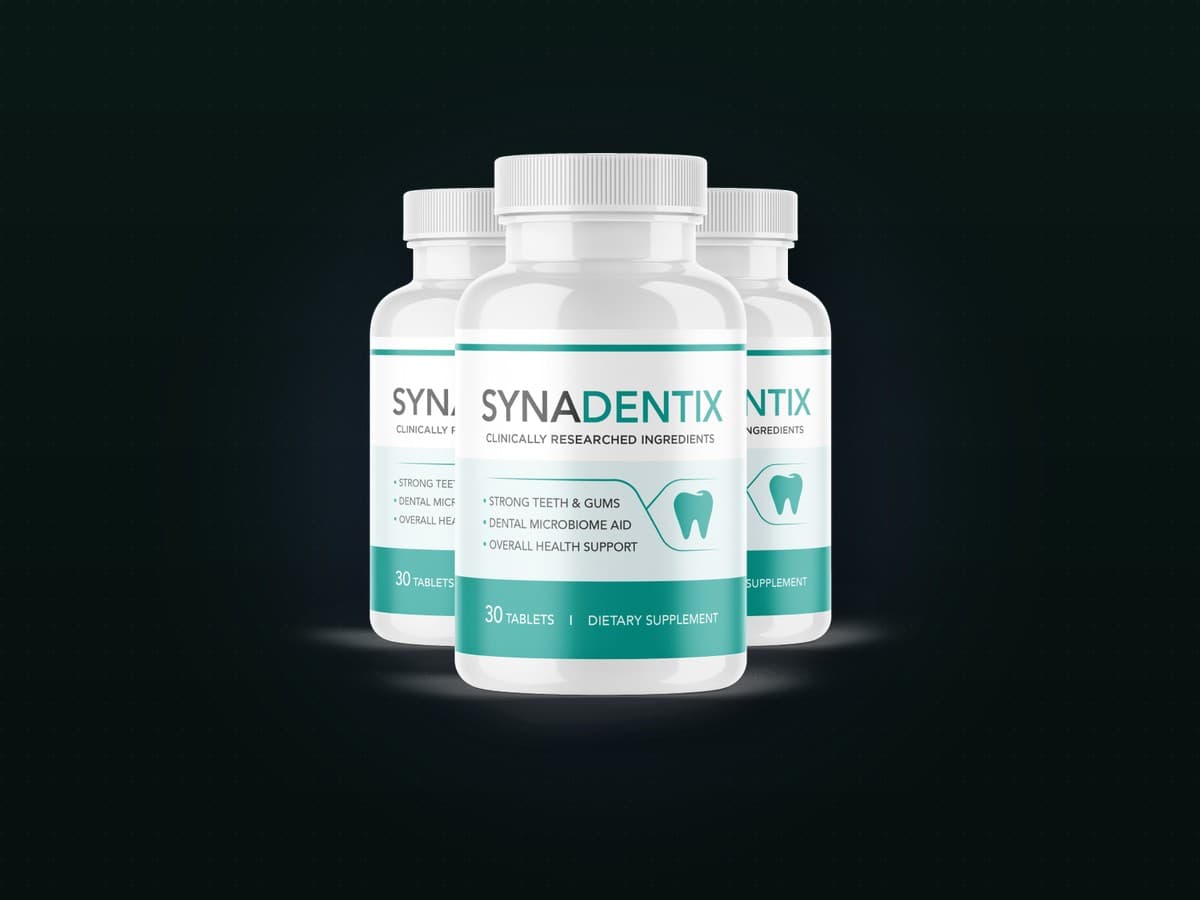
Supplements we've reviewed on this topic
Thinking about a product? Read our honest, evidence-based breakdown before you buy.

VitaGlobe Editorial Team
Independent research desk — evidence reviewed against peer-reviewed sources
The VitaGlobe editorial team researches supplements against published, peer-reviewed evidence. We use indicative language, cite real findings, and flag where evidence is weak. This is general information, not medical advice.