How to Improve Gum Health Naturally (What the Science Says)

VitaGlobe Editorial Team
Independent research desk — evidence reviewed against peer-reviewed sources
Your Gums Are Trying to Tell You Something
Bleeding when you floss, tenderness at the gumline, breath that won’t quit — gums have a quiet way of flagging trouble early. Here is the unglamorous truth first: healthy gums come mostly from the mechanical basics — brushing twice a day, cleaning between your teeth daily, and regular professional cleanings — and no supplement, rinse or probiotic replaces that. What follows are the additions with real, if supporting, evidence, once those basics are in place.
Quick answer: The foundation of gum health is daily plaque removal (brushing plus interdental cleaning) and regular dental visits. Vitamin C, xylitol and certain oral probiotics have genuine but supporting evidence. Persistent bleeding, recession or loose teeth need a dentist, not a supplement.
What gum disease actually is
Gum problems sit on a spectrum. Gingivitis — inflammation, redness and bleeding driven by plaque at the gumline — is common and reversible with good hygiene. Left unchecked, it can progress to periodontitis, where the inflammation reaches the bone that anchors your teeth; that damage is not fully reversible, which is exactly why catching things early matters so much. The bleeding you notice when flossing is not a reason to floss less — it is usually a sign that area needs more consistent cleaning, not less.
What actually reduces gum inflammation
Thorough plaque removal. Plaque at the gumline is the driver of gingivitis. Flossing or interdental brushes reach what a toothbrush cannot. This single habit outperforms any supplement, and doing it consistently matters more than doing it perfectly once.
Brushing technique, not just frequency. A soft-bristled brush angled toward the gumline for two full minutes, twice a day. Aggressive scrubbing with a hard brush can actually harm the gums and drive recession — more force is not better.
Vitamin C. Genuine connective-tissue and gum research supports it, and frank deficiency causes bleeding gums. Most people get enough from a normal diet, but it matters, especially for smokers and those who eat few fruits and vegetables.
Avoiding tobacco and limiting sugar frequency. Both strongly influence gum and overall oral health. With sugar, frequency is the key variable — constant grazing feeds the bacteria more than one dessert with a meal.
The supporting cast with emerging evidence
Oral probiotics. A real and active research area: certain strains (several from the Lactobacillus and Streptococcus salivarius families) may modestly improve gum health, plaque and bad breath by shifting the balance of bacteria in the mouth. The evidence is early and strain-specific, and the benefits generally fade once you stop taking them — they are a maintenance add-on, not a cure.
Xylitol. A sugar alcohol with legitimate dental research — it reduces cavity-causing bacteria and the acid they produce. The evidence is strongest for chewing gum and frequent small exposures through the day rather than a single large dose.
Green tea polyphenols. Some evidence for reduced gum inflammation, best understood as part of a healthy diet rather than as a treatment.
Coenzyme Q10 and omega-3s. Occasionally promoted for gum health; the evidence is thin and preliminary, and neither belongs ahead of the basics.
How to read an oral-health supplement honestly
If you are curious about an oral probiotic as an add-on to good hygiene, the questions that actually matter are simple, and most marketing avoids them:
A product that will not disclose those details is not one you can evaluate. Our guide on how to read a supplement label walks through the same habit for any product.
When to stop self-treating and see a dentist
Persistent bleeding, receding gums, loose teeth, pain or ongoing bad breath are not jobs for a supplement — they need a dental professional. Gum disease is treatable, but earlier is far easier and cheaper than later. A supplement is a possible add-on to a proper cleaning routine, never a replacement for a checkup.
Bottom line
Brushing, daily interdental cleaning and regular dental visits do the heavy lifting for gum health. Vitamin C, xylitol and certain oral probiotics can support — modestly — once the basics are solid. Watch for warning signs, and see a dentist for any real gum problem rather than reaching for a bottle. This is general information, not medical advice.
Frequently Asked Questions
Do oral probiotics actually work for gums?
Small studies suggest certain oral-probiotic strains may modestly improve gum health, plaque and bad breath, but the research is early and strain-specific, and benefits stop when you stop taking them. They are an add-on to good hygiene, not a replacement.
What is the fastest way to improve gum health naturally?
Clean between your teeth daily (floss or interdental brushes), brush twice a day, cut sugar frequency, and avoid tobacco. These basics reduce gum inflammation more than any supplement.
Can a supplement cure gum disease?
No. Active gum disease, bleeding or loose teeth need a dentist. Supplements like oral probiotics or xylitol may support healthy gums but cannot treat periodontal disease.
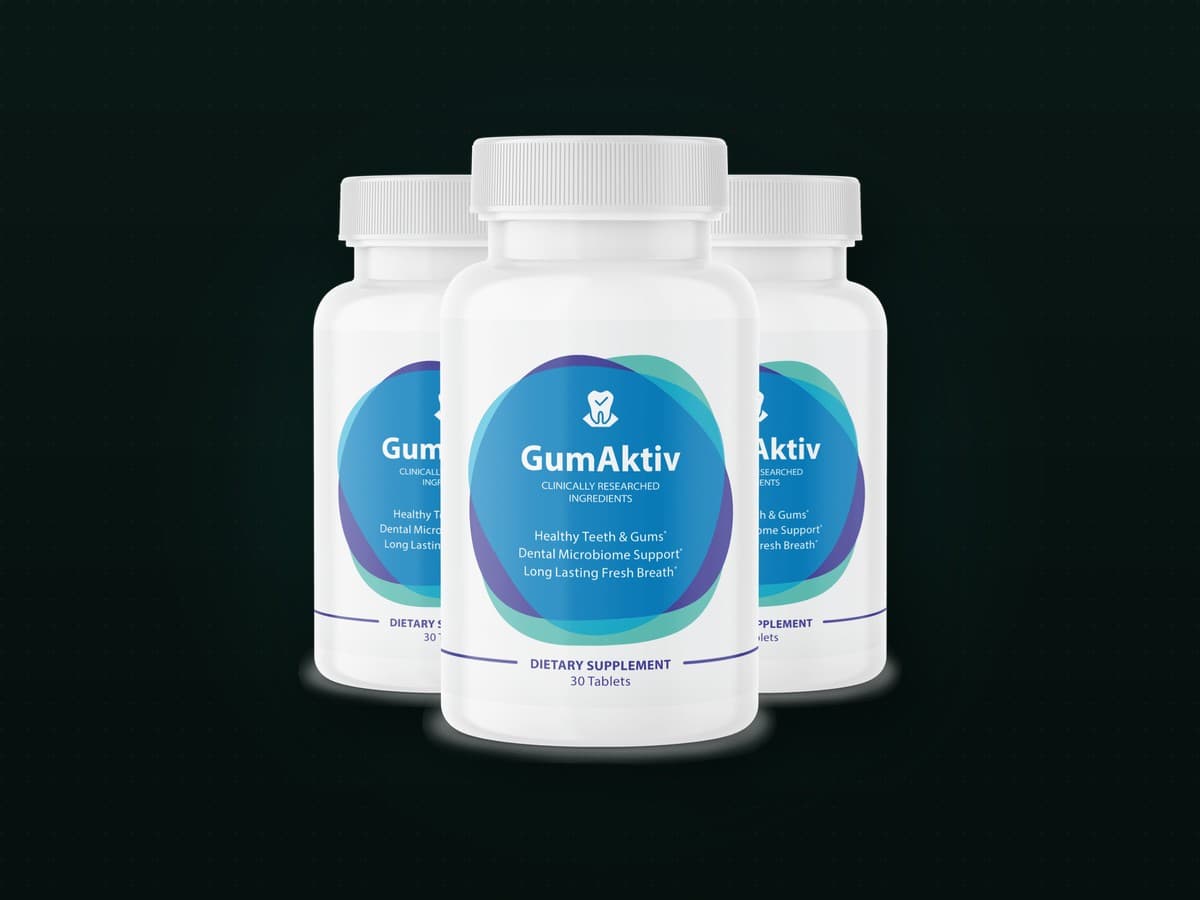
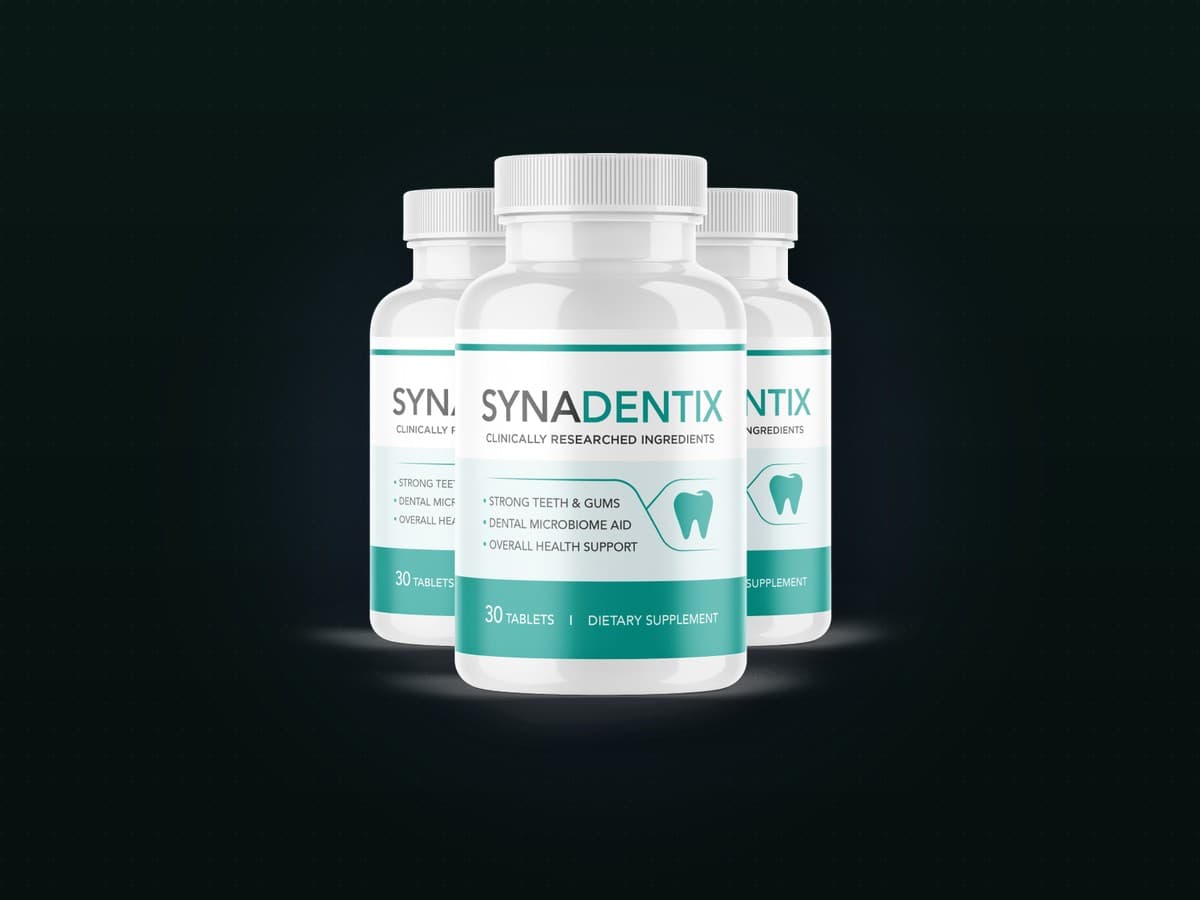
Supplements we've reviewed on this topic
Thinking about a product? Read our honest, evidence-based breakdown before you buy.

VitaGlobe Editorial Team
Independent research desk — evidence reviewed against peer-reviewed sources
The VitaGlobe editorial team researches supplements against published, peer-reviewed evidence. We use indicative language, cite real findings, and flag where evidence is weak. This is general information, not medical advice.