
Does Lion's Mane Actually Improve Focus and Memory?

VitaGlobe Editorial Team
Independent research desk — evidence reviewed against peer-reviewed sources
The Mushroom in Your Coffee — Real Focus, or Just Hype?
Lion’s Mane is suddenly in the coffee, the gummies, and every “focus” stack on the shelf. The promise is a sharper, clearer mind. The honest answer lives somewhere between the breathless marketing and the eye-rolling skeptics — and it’s worth knowing exactly where.
Quick answer: The evidence is promising but still early. Lion’s Mane has small human studies suggesting it may support memory and mental clarity, while Bacopa Monnieri (memory) and Rhodiola Rosea (stress resilience) have somewhat stronger human evidence. Effects are typically subtle and build over several weeks — not instant, and not a stimulant.
What Lion’s Mane is, and how it might work
Lion’s Mane (Hericium erinaceus) is an edible mushroom — you can genuinely cook and eat it — that contains compounds called hericenones and erinacines. In laboratory studies these stimulate nerve growth factor (NGF), a protein involved in the growth, maintenance and survival of neurons. The theory is that supporting NGF could benefit memory and cognitive resilience over time.
That said, there is an important gap between the lab and your head: most of the striking NGF findings come from cell cultures and animal studies, and it is not fully established how much of an orally taken dose crosses into the human brain. That uncertainty is exactly why the honest verdict is “promising, not proven.”
What the human evidence actually shows
The honest summary: these ingredients are supported by real but early human data, and they are best understood as gradual cognitive support, not a switch that flips your focus on.
Why these three get combined into a stack
Each targets a different pathway, which is the usual rationale for combining them: Lion’s Mane for nerve support, Bacopa for memory consolidation, and Rhodiola for stress-related mental fatigue. Some formulas add ingredients like Alpha-GPC or Phosphatidylserine, which relate to acetylcholine and cell-membrane support. A sensible-looking stack is not a guarantee, though — what matters is whether each ingredient is present at a dose the research actually used, rather than a sprinkle for the label.
What realistic expectations look like
Take a nootropic like this consistently for at least 4–6 weeks before judging it, and know what you are looking for: the honest experience is subtle — easier focus, a little less brain fog, steadier recall — not a noticeable “boost” you feel within an hour. If a product promises instant, dramatic cognitive gains, that is a marketing claim the science does not support.
And keep the hierarchy straight. Sleep, exercise, and genuine mental effort remain by far the strongest levers for cognition — a supplement sits on top of those, and does very little without them. Our guide on whether nootropics actually work puts the whole category in context.
Safety and who should be cautious
Lion’s Mane is generally well tolerated, with digestive upset the most common complaint. Because it is a mushroom, anyone with mushroom allergies should be careful. As with any supplement, people who are pregnant or nursing, or who take medication, should check with a doctor first — Bacopa and Rhodiola in particular can interact with certain medications.
Bottom line
Lion’s Mane has a genuinely interesting mechanism and early human data hinting at memory and clarity benefits, with Bacopa and Rhodiola better-established alongside it. But this is gradual, subtle support that builds over weeks, not a stimulant — and it works only on top of sleep, movement and good nutrition. Judge it after a month or two, favor products that disclose their doses, and talk to a doctor if you take medication. This is general information, not medical advice.
Frequently Asked Questions
Does Lion's Mane really improve focus and memory?
Early human studies suggest Lion's Mane may support memory and mental clarity, but the research is still small. Effects tend to be subtle and build over several weeks rather than acting like a stimulant.
How long does Lion's Mane take to work?
Most people should take it consistently for at least 4–6 weeks before judging results. Related nootropics like Bacopa often show benefits after 8–12 weeks.
Can you combine Lion's Mane with Bacopa and Rhodiola?
Yes. They target different pathways — nerve support, memory consolidation, and stress-related mental fatigue — which is why they are commonly combined in nootropic stacks.
Are nootropic supplements safe?
These ingredients are generally well tolerated at recommended doses, but research is still emerging. Consult your healthcare provider before use, especially if you take medication or are pregnant or nursing.
Supplements we've reviewed on this topic
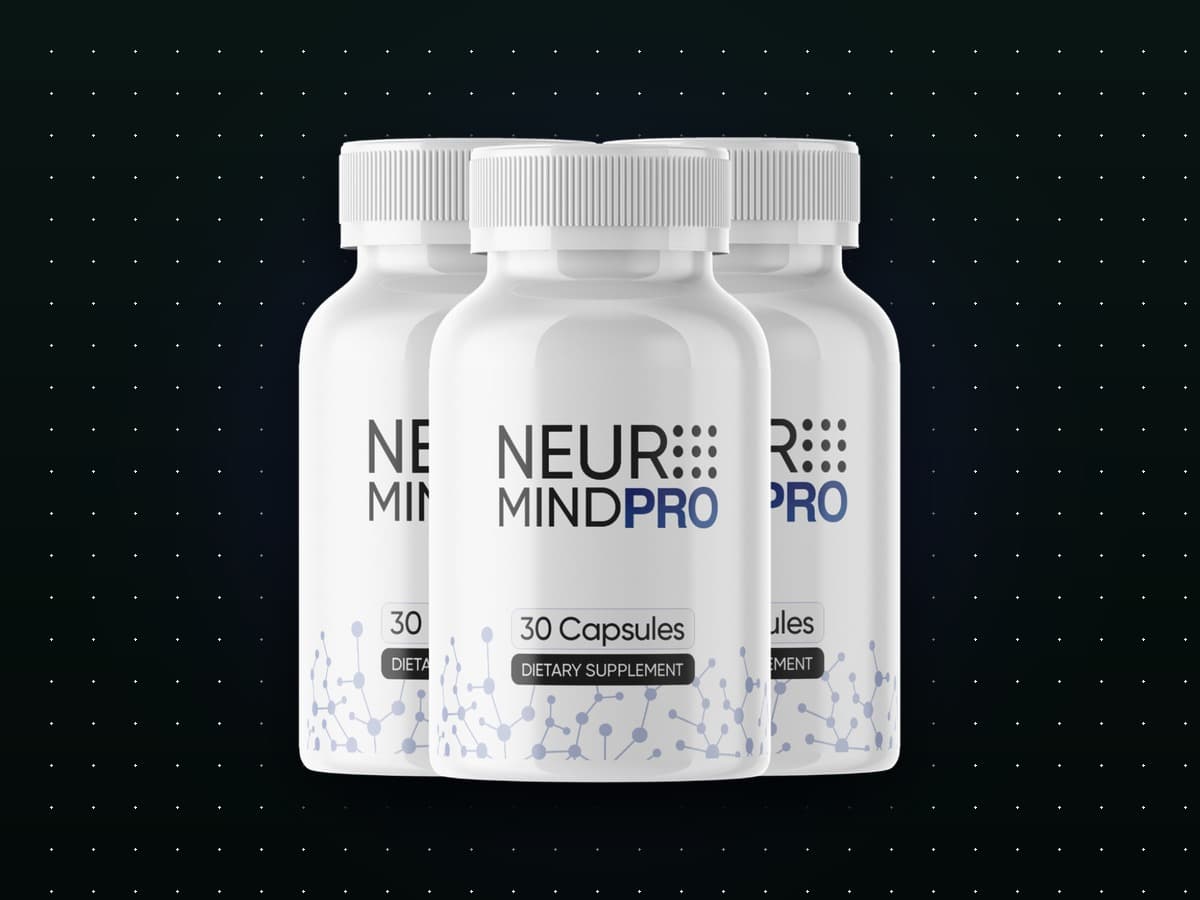
Thinking about a product? Read our honest, evidence-based breakdown before you buy.



VitaGlobe Editorial Team
Independent research desk — evidence reviewed against peer-reviewed sources
The VitaGlobe editorial team researches supplements against published, peer-reviewed evidence. We use indicative language, cite real findings, and flag where evidence is weak. This is general information, not medical advice.