Do Nootropics Actually Work? An Honest Guide to Brain and Focus Supplements

VitaGlobe Editorial Team
Independent research desk — evidence reviewed against peer-reviewed sources
“Limitless” sold you a fantasy — but not the whole story
Ever since a certain movie showed a pill turning an average guy into a genius, the “brain supplement” aisle has run on that fantasy: swallow this, wake up sharper. Most of it is exactly that — fantasy. But not all of it, and that is what makes nootropics so confusing: the category crams genuinely researched ingredients right up against total pseudoscience (one product we reviewed literally sells “monoatomic gold”). So the useful question is never “do nootropics work?” It is “does this ingredient, at this dose, have real evidence?” Here is the honest map.
The ingredients with real evidence
For the fuller picture, our guide to supplements for memory and focus lays out doses and expectations.
What honest expectations look like
Even the good nootropics are modest. They support cognition; they do not transform it, and nothing here is a “limitless pill.” The best results come from stacking sensible ingredients with the real fundamentals — sleep, exercise, and managing stress — which outperform any capsule.
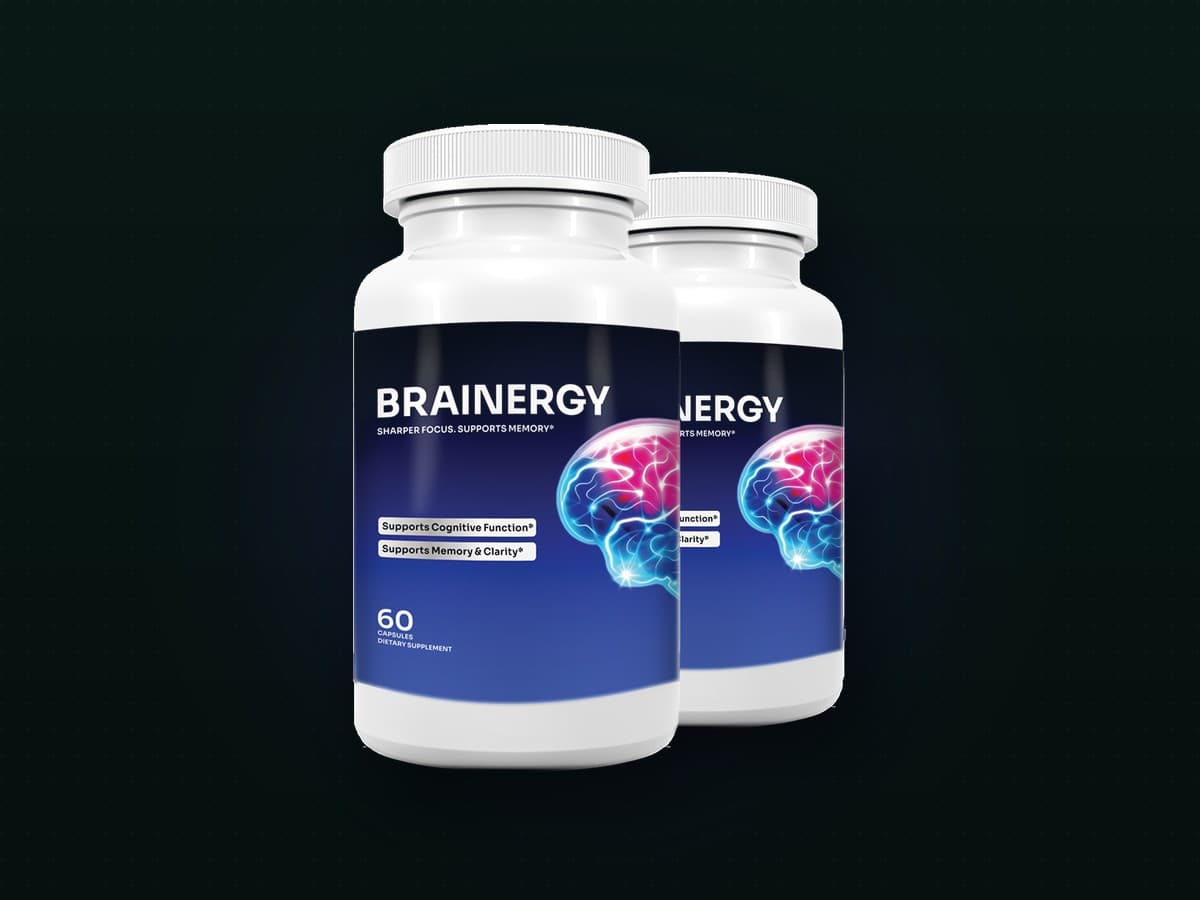
When we review brain supplements, this is the lens we use: are the ingredients real, and are the doses disclosed? Our honest looks at Brainergy, Memo Matrix and NeuroSalt weigh sensible stacks against undisclosed proprietary blends.
How to spot a red flag
The nootropic space attracts some genuinely unscientific claims. Watch for:
An honest way to approach nootropics
1. Fix the fundamentals first — sleep, movement, stress. These beat every supplement.
2. Pick evidence-backed ingredients — bacopa, L-theanine, maybe lion’s mane — at disclosed, studied doses.
3. Be patient. Bacopa in particular needs weeks.
4. Ignore the metaphysics. If a product sells “energy alignment” instead of ingredients, keep your wallet closed.
Bottom line
Some nootropics genuinely work — modestly. Bacopa, L-theanine, caffeine and a few others have real evidence, best used patiently and alongside good sleep and exercise. But the category is full of hype and a few outright pseudoscientific claims, so judge every product by its actual, disclosed ingredients. This is general information, not medical advice.
Frequently Asked Questions
Do nootropics really work?
Some do, modestly. Ingredients like bacopa monnieri, L-theanine and caffeine have genuine evidence for memory or focus, while much of the category is hype. The honest question is whether a specific ingredient, at a disclosed and studied dose, has real research behind it.
What is the most evidence-backed nootropic?
For memory, bacopa monnieri has some of the best human evidence, though it works slowly over 8–12 weeks. For calm focus, L-theanine is well supported, especially with caffeine. Caffeine itself is the most proven for alertness.
Is “monoatomic gold” a real nootropic?
No. “Monoatomic gold” or “Ormus” is a metaphysical marketing term with no credible scientific evidence for cognitive benefits. Treat products built around it as pseudoscience and judge any supplement by its actual, disclosed ingredients instead.
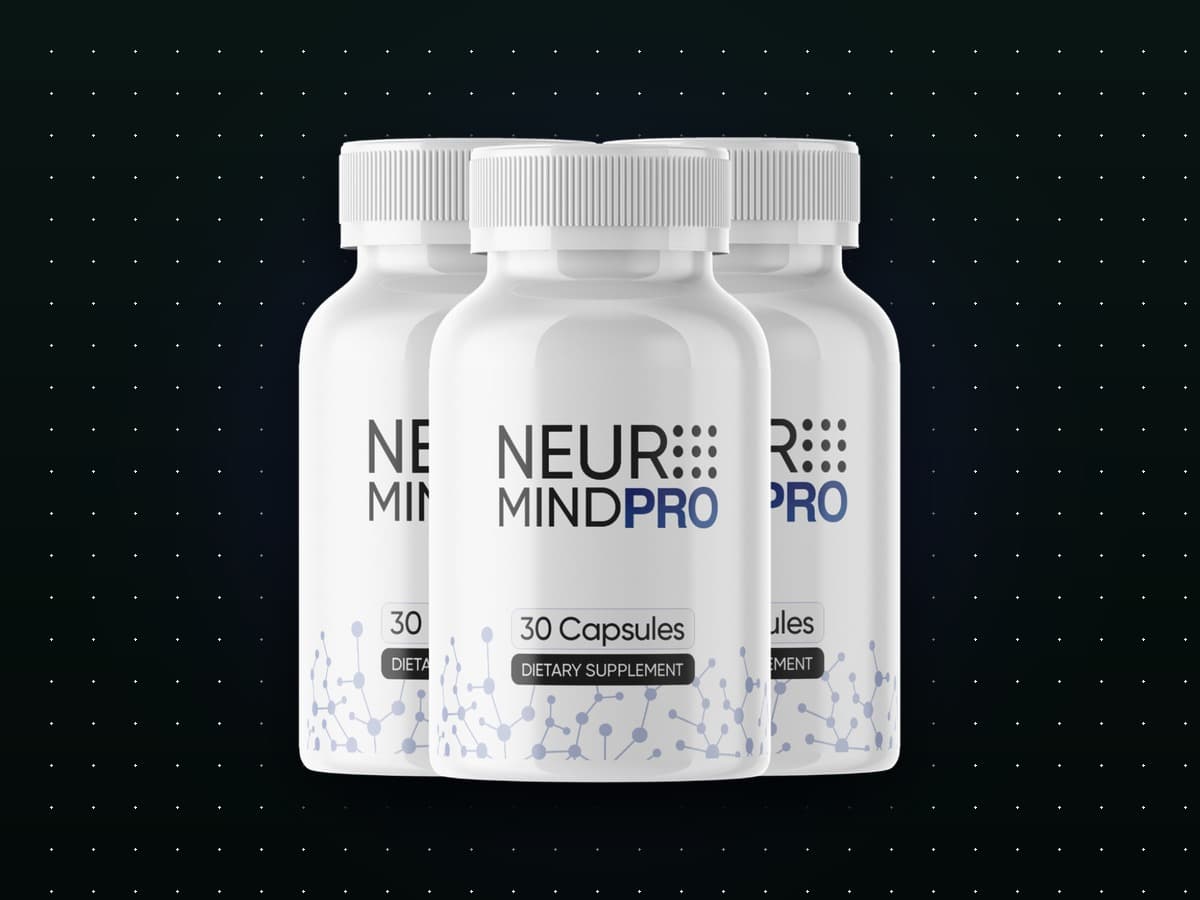
Supplements we've reviewed on this topic
Thinking about a product? Read our honest, evidence-based breakdown before you buy.


VitaGlobe Editorial Team
Independent research desk — evidence reviewed against peer-reviewed sources
The VitaGlobe editorial team researches supplements against published, peer-reviewed evidence. We use indicative language, cite real findings, and flag where evidence is weak. This is general information, not medical advice.