How Much Protein Do You Really Need? A Simple, Science-Based Guide

VitaGlobe Editorial Team
Independent research desk — evidence reviewed against peer-reviewed sources
The one nutrient almost everyone underestimates
Protein has quietly become the most important macro in the wellness conversation — and for good reason. It keeps you full, protects your muscle as you age, and supports everything from bone to blood sugar. Yet most people either have no idea how much they eat or aim far too low. Let us fix that with a simple, science-based answer you can actually use.
Quick answer: The bare-minimum RDA is 0.8 g of protein per kg of body weight — enough to avoid deficiency, but not optimal for most people. For staying strong, managing weight, or aging well, the evidence supports 1.2–1.6 g per kg (more if you train hard). You can see your personal target instantly in our free Health Check tool.
RDA vs. what you actually want
The 0.8 g/kg figure is a floor — the amount to prevent a deficiency in an average sedentary adult. “Not deficient” is not the same as “thriving.” A growing body of research supports aiming higher — around 1.2 to 1.6 g/kg — for muscle maintenance, appetite control and healthy aging. For an active person, the range climbs toward 1.6–2.0 g/kg.
A quick example: a 70 kg (154 lb) adult goes from ~56 g/day at the RDA to roughly 84–112 g/day at the optimal range.
Who needs more (and why it matters)
How to actually hit it (without obsessing)
Bottom line
Most people need more protein than the minimum RDA suggests — roughly 1.2–1.6 g per kg of body weight, higher if you are active, losing weight, or over 50. Build each meal around a protein source, spread it through the day, and use the Health Check tool to see your exact number. Food comes first; powder is just convenience. This is general information, not medical advice — check with a professional if you have kidney disease or other medical conditions.
Frequently Asked Questions
How much protein do I need per day?
The RDA is 0.8 g per kg of body weight, but that is a minimum. For muscle maintenance, weight management and healthy aging, evidence supports about 1.2–1.6 g per kg, and 1.6–2.0 g per kg for very active people. A 70 kg adult is roughly 84–112 g per day at the optimal range.
Do older adults need more or less protein?
More. After about 40–50 the body becomes more resistant to building muscle, so protein needs rise rather than fall. Adequate protein plus resistance training is one of the best ways to protect strength and independence with age.
Do I need protein powder to hit my target?
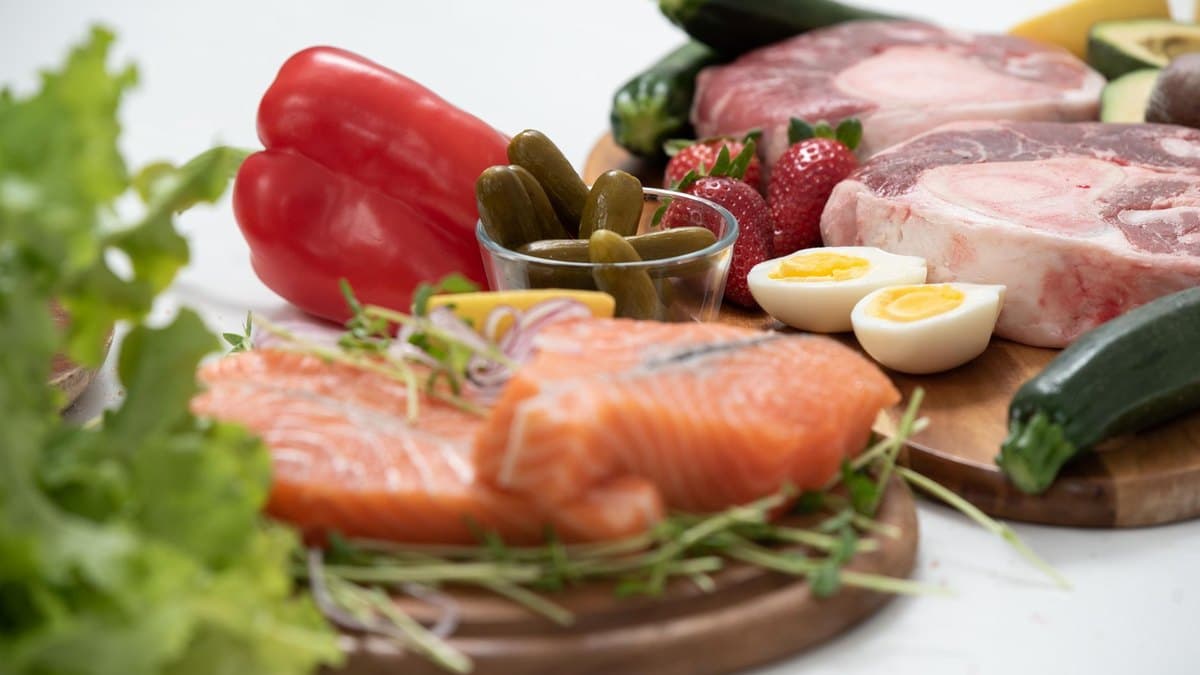
No. Protein powder is a convenience, not a requirement — whole foods like eggs, yogurt, fish, meat, tofu and legumes can meet your needs. If you do use a powder, choose a third-party tested product with honest labeling.

VitaGlobe Editorial Team
Independent research desk — evidence reviewed against peer-reviewed sources
The VitaGlobe editorial team researches supplements against published, peer-reviewed evidence. We use indicative language, cite real findings, and flag where evidence is weak. This is general information, not medical advice.