Best High-Fiber Foods for Appetite, Blood Sugar, and Steady Energy

VitaGlobe Editorial Team
Independent research desk — evidence reviewed against peer-reviewed sources
The Most Underrated Thing on Your Plate
Here is a deal almost no supplement can match: one change that quietly improves your appetite, blood sugar, energy and digestion — all at once — for the price of groceries. It is not a pill. It is fiber. It slows how fast your stomach empties, flattens blood-sugar spikes, feeds your gut bacteria, and keeps you full for hours. And yet most people eat barely half of what they need. Let us fix that, simply.
Two kinds, both useful
Soluble (viscous) fiber dissolves into a gel that slows digestion — this is the kind that blunts blood-sugar spikes and increases fullness. Insoluble fiber adds bulk and keeps things moving. You want both, and whole foods naturally give you a mix.
The best high-fiber foods
How much you actually need
General targets are roughly 25 g a day for women and 38 g for men — and most people get nowhere near it. You do not need to count obsessively; just build meals around the foods above and the number takes care of itself.
How to add fiber without the bloating
Go gradually. Jumping from low to high fiber overnight is the classic mistake that causes gas and discomfort. Increase over a couple of weeks, and drink more water — viscous fiber needs water to do its job comfortably.
Why this matters for appetite and weight
This is the honest link to the topics everyone is searching: fiber is the closest natural lever to how GLP-1 medications work — it slows digestion and tells your brain you are full. It will not match a drug, but it is free, and it works on the same machinery. We cover that fully in our guide to natural alternatives to Ozempic and our guide to lowering blood sugar naturally.
If you are also weighing metabolism supplements, see our evidence-based guide — but food like this does the foundational work no pill can.
Bottom line
Beans, oats, chia, vegetables, and berries are among the best high-fiber foods for appetite and steady blood sugar. Aim for 25–38 g a day, increase it gradually with plenty of water, and let fiber do the natural job people are buying expensive supplements to chase. This is general information, not medical advice.
Frequently Asked Questions
Which foods have the most fiber?
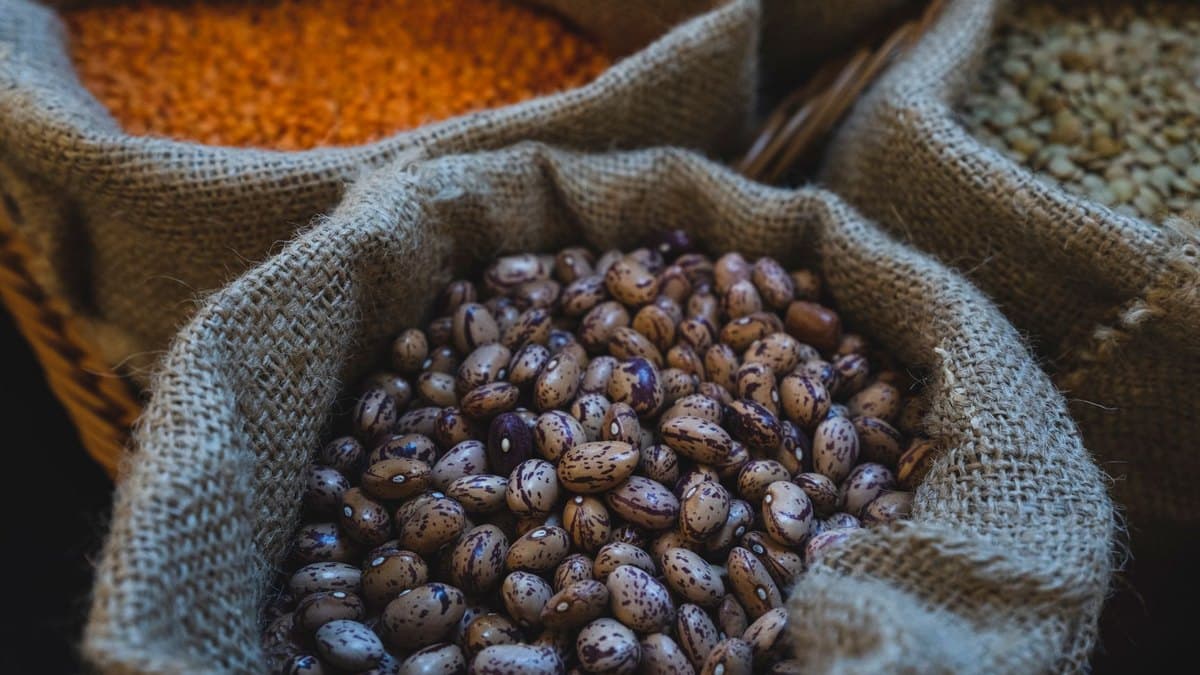
Beans and lentils, oats, chia and flax seeds, avocado, berries, and vegetables like broccoli and artichokes are among the highest. Psyllium husk is a concentrated option if you need to close a gap quickly.
How does fiber help with appetite?
Viscous (soluble) fiber slows stomach emptying and increases fullness — the same general machinery GLP-1 medications act on. It will not match a drug, but it genuinely reduces how much you eat, for free.
How much fiber should I eat per day?
Roughly 25 g for women and 38 g for men, though most people get about half that. Increase it gradually over a couple of weeks and drink more water to avoid bloating.
Supplements we've reviewed on this topic
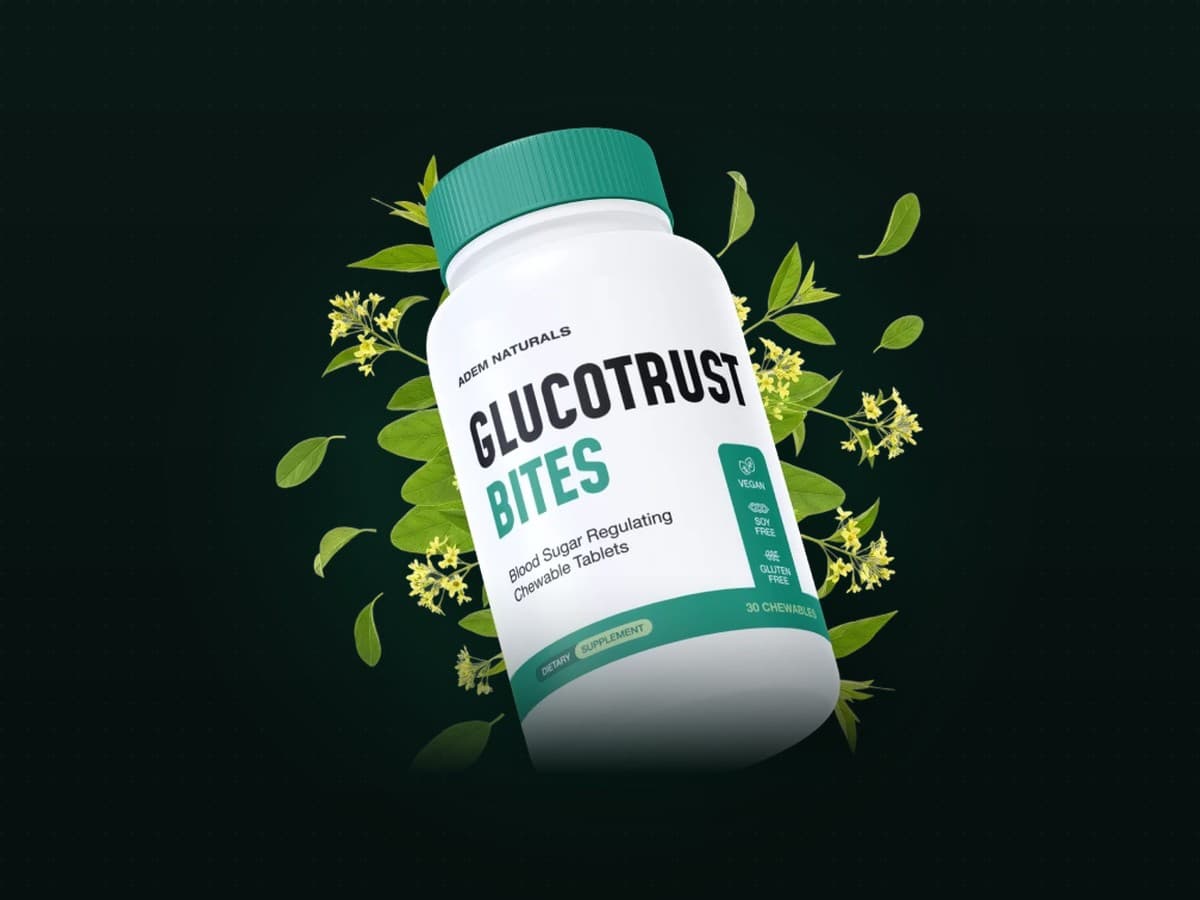
Thinking about a product? Read our honest, evidence-based breakdown before you buy.

VitaGlobe Editorial Team
Independent research desk — evidence reviewed against peer-reviewed sources
The VitaGlobe editorial team researches supplements against published, peer-reviewed evidence. We use indicative language, cite real findings, and flag where evidence is weak. This is general information, not medical advice.