How to Improve Your Gut Health Naturally: A Practical, Honest Guide

VitaGlobe Editorial Team
Independent research desk — evidence reviewed against peer-reviewed sources
The organ you never think about is running the show
Right now, trillions of microbes in your gut are helping digest your food, training your immune system, and — genuinely — swapping chemical messages with your brain. It is some of the most fascinating science in health today. It has also been stretched into wild claims that a single probiotic will fix everything from your mood to your waistline. Let us separate the real from the oversold, and give you what actually works.
The honest big picture
A healthy gut is not about one magic food or pill. It is about a diverse, well-fed microbiome, and the levers that build that are mostly boring and free. The single biggest one is not a supplement — it is what you eat.
What genuinely improves your gut
Eat a wide variety of plants. This is the most evidence-backed step. People who eat more different plant foods per week (a common target is ~30 different plants — vegetables, fruits, legumes, nuts, seeds, whole grains) tend to have more diverse, resilient gut microbiomes. Variety beats any single “superfood.”
Feed your microbes fiber (prebiotics). Fiber is what your good bacteria eat. Beans, oats, onions, garlic, and vegetables fuel them. (We go deep on this in our guide to high-fiber foods.)
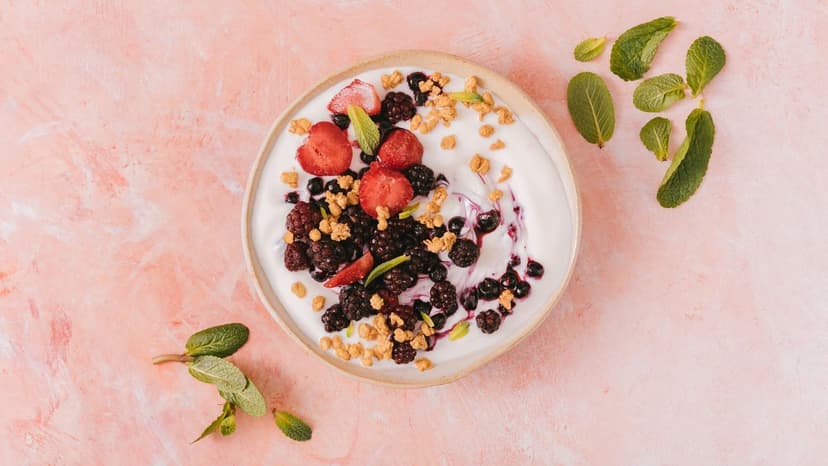
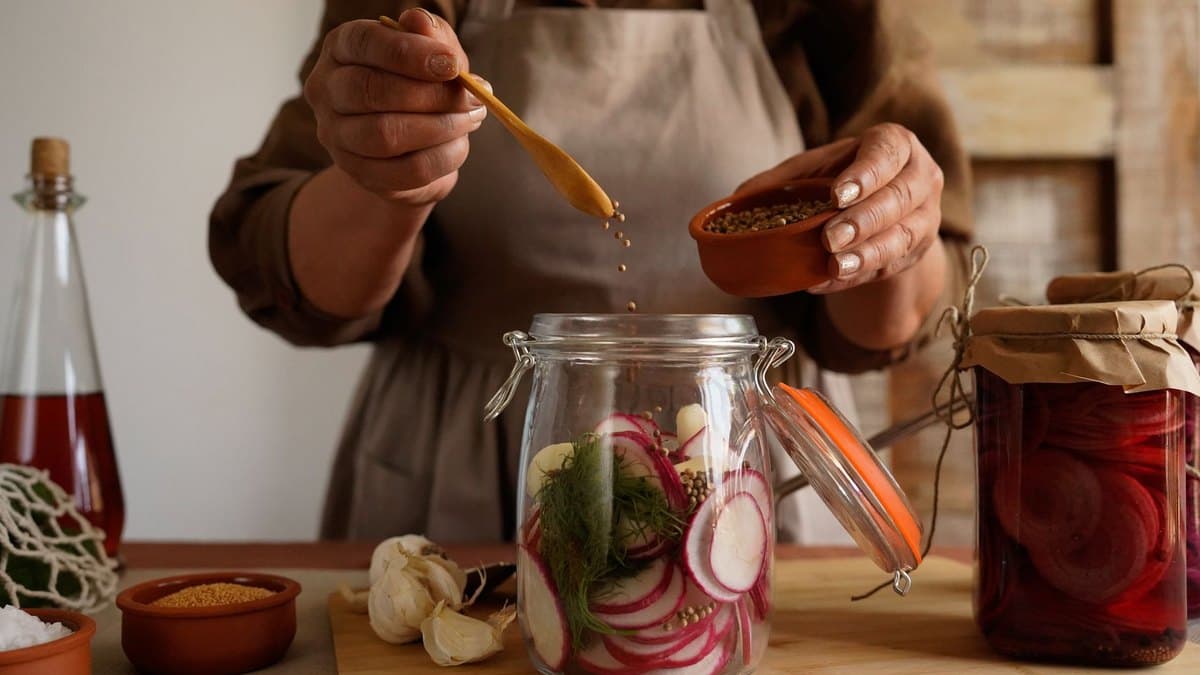
Add fermented foods. Yogurt with live cultures, kefir, sauerkraut, kimchi, and miso introduce beneficial microbes and have real, if modest, evidence for gut diversity.
Cut back on ultra-processed foods. Diets heavy in refined, ultra-processed foods are linked to less microbial diversity. This shift alone helps.
Sleep, move, and manage stress. The gut-brain connection runs both ways — poor sleep and chronic stress measurably affect your gut, and exercise is linked to a healthier microbiome.
Use antibiotics only when truly needed. They are sometimes essential, but they also disrupt the microbiome — so use them when a doctor says so, not casually.
Where probiotics (and supplements) honestly fit
Probiotic supplements can help in specific situations (for example, after antibiotics or for certain digestive issues), but the effects are strain-specific and often modest, and benefits usually fade once you stop. Food-based fermented products and fiber are the more reliable foundation. If you try a probiotic, match the strain to your goal and keep expectations realistic.
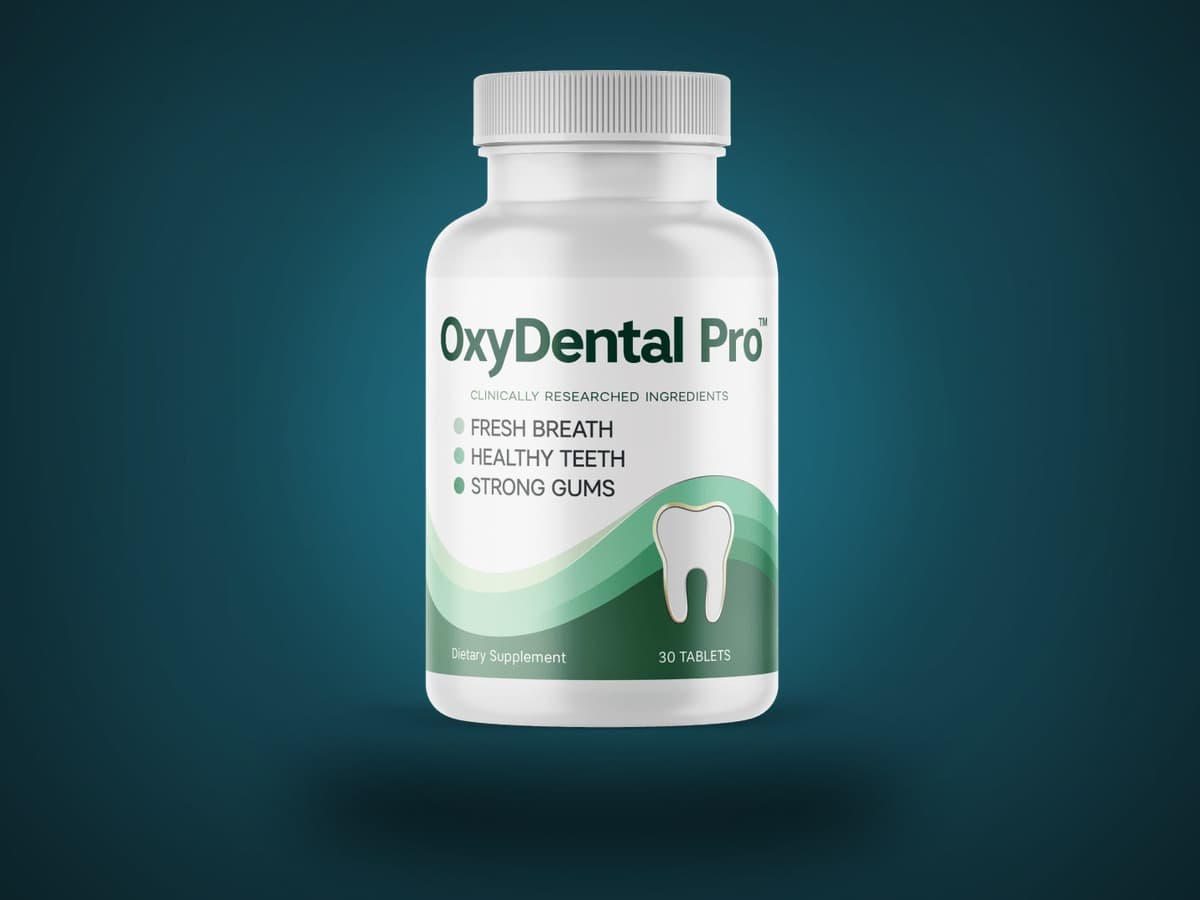
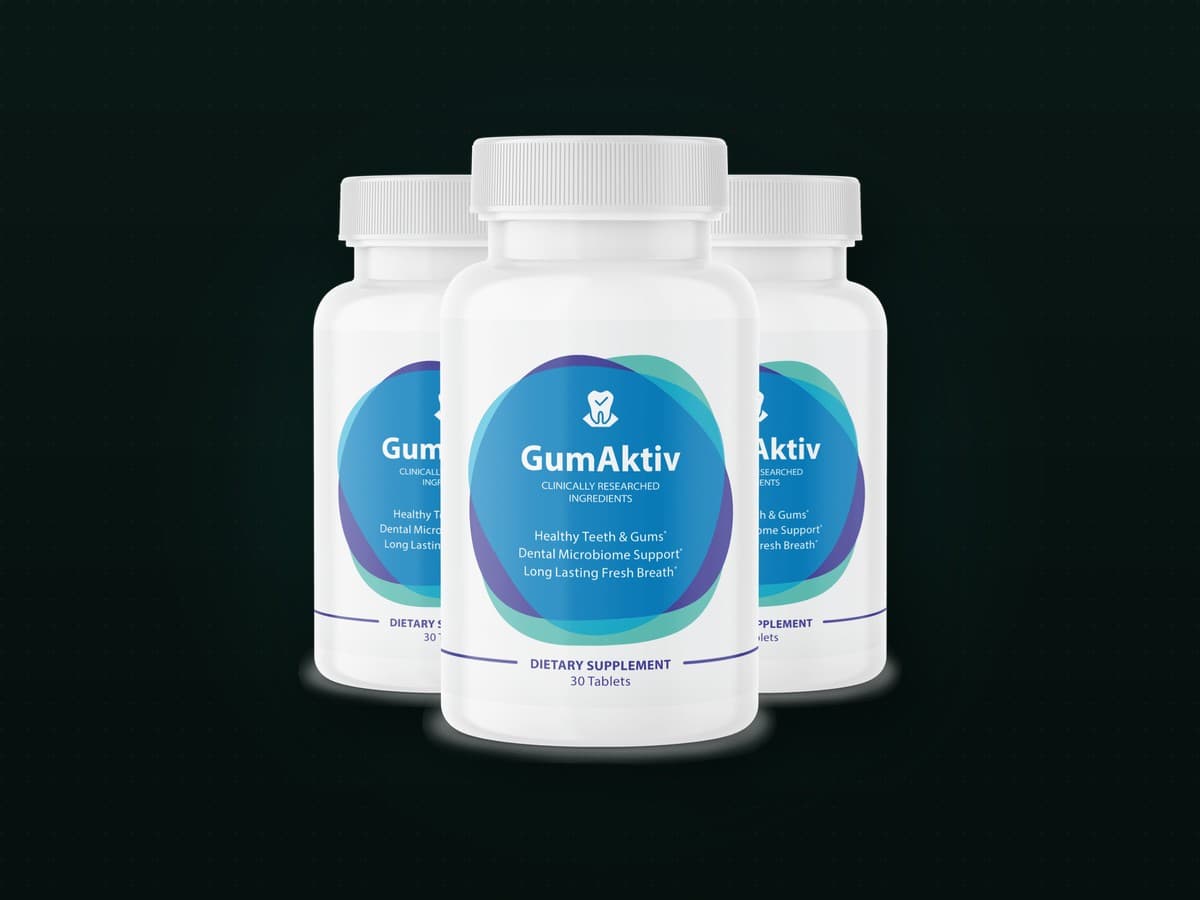
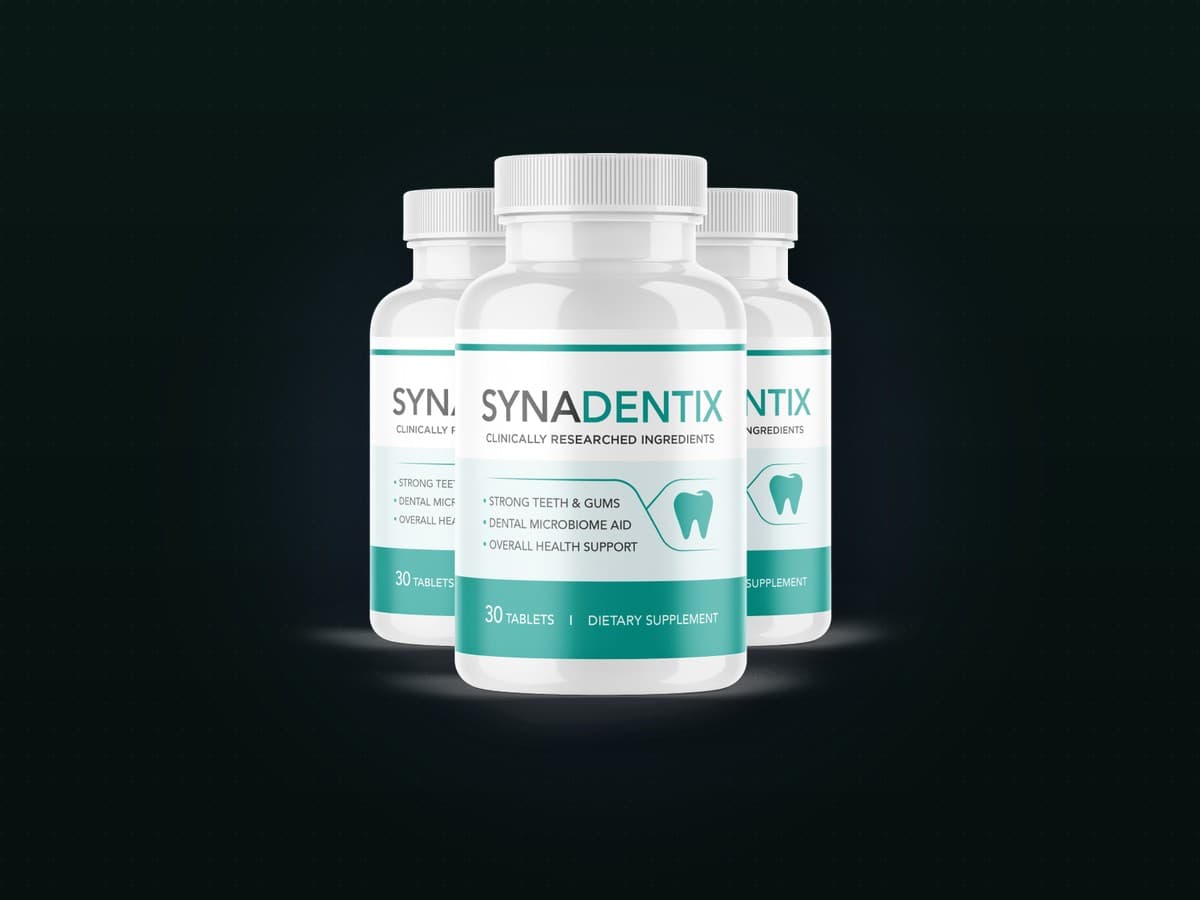
One useful distinction: “oral probiotics” for your mouth are not the same as gut probiotics. Products of this kind target the oral microbiome (teeth, gums, breath) — a different ecosystem from your gut. Do not assume one does the other's job.
A healthier gut also tends to support steadier blood sugar and appetite, which ties into our guide on lowering blood sugar naturally.
A reality check on the hype
The gut-brain and gut-everything research is genuinely exciting but still early. Be skeptical of products promising to fix mood, weight, or immunity through your gut alone. The honest wins are dietary and consistent, not a single capsule.
When to see a doctor
Persistent bloating, pain, changes in bowel habits, blood in the stool, or unexplained weight loss are not gut-health-supplement situations — they need medical evaluation. Gut symptoms can signal treatable conditions, so get them checked rather than self-treating.
Bottom line
The best way to improve your gut naturally is to eat a wide variety of plants, feed your microbes fiber, add fermented foods, cut ultra-processed foods, and sleep and move well. Probiotics can help in specific cases but are not magic, and persistent gut symptoms deserve a doctor. This is general information, not medical advice.
Frequently Asked Questions
What is the best way to improve gut health naturally?
Eat a wide variety of plant foods (aim for many different plants each week), feed your microbes with fiber, add fermented foods like yogurt and kefir, cut ultra-processed foods, and sleep and move well. Diet variety matters more than any single supplement.
Do probiotic supplements actually work?
They can help in specific situations, such as after antibiotics or for certain digestive issues, but effects are strain-specific and often modest, and they tend to fade once you stop. Fiber and fermented foods are a more reliable foundation.
Are oral probiotics the same as gut probiotics?
No. Oral probiotics target the mouth (teeth, gums, breath), which is a different ecosystem from your gut. One does not do the other’s job, so match the product to the goal.
Supplements we've reviewed on this topic
Thinking about a product? Read our honest, evidence-based breakdown before you buy.

VitaGlobe Editorial Team
Independent research desk — evidence reviewed against peer-reviewed sources
The VitaGlobe editorial team researches supplements against published, peer-reviewed evidence. We use indicative language, cite real findings, and flag where evidence is weak. This is general information, not medical advice.