Iron Supplements: Who Actually Needs Them — and Who Should Not Take Them

VitaGlobe Editorial Team
Independent research desk — evidence reviewed against peer-reviewed sources
The supplement that rewards testing more than any other
Almost every supplement question comes down to “is this worth the money?” Iron is different. Iron is the one where the honest answer swings completely depending on a number you cannot feel, cannot guess, and can only get from a blood test.
Get it right and you are correcting one of the most common nutritional deficiencies in the world — with results people describe as getting their life back. Get it wrong and you are taking a mineral your body has no efficient way to get rid of.
Quick answer: Take iron only if a blood test shows you need it. Ferritin and a full blood count tell you in one appointment. Fatigue alone is not evidence — it has dozens of causes, and several of them get worse if you self-treat with iron. Iron is not a general wellness supplement, and it should never be taken speculatively.
What iron actually does
Iron sits at the center of hemoglobin, the protein in your red blood cells that carries oxygen from your lungs to every tissue you have. It also appears in enzymes involved in energy metabolism and in normal immune function.
That single job explains the entire symptom picture. When iron runs low, oxygen delivery falls, and the body reacts the way it would to being quietly short of air: exhaustion, breathlessness on stairs that never used to bother you, a racing heart, pale skin, cold hands and feet, headaches, and difficulty concentrating.
The symptoms that are worth investigating
Deficiency tends to arrive slowly, which is exactly why it gets missed. People adapt, then assume it is age, stress, or poor sleep. Signals worth taking to a doctor:
None of these prove iron deficiency on their own. All of them justify a test.
Who is genuinely at higher risk
Why testing is not optional here
This is the heart of it. Taking iron without testing can mask a problem instead of solving it.
In an adult who is not menstruating — and in any man — new iron deficiency raises the question of where the iron is going. Slow gastrointestinal blood loss, from an ulcer, a polyp, or something more serious, is a recognized cause. Supplementing on your own can lift the numbers enough to quiet the symptom while the source goes uninvestigated. That is time lost on something that was worth finding early.
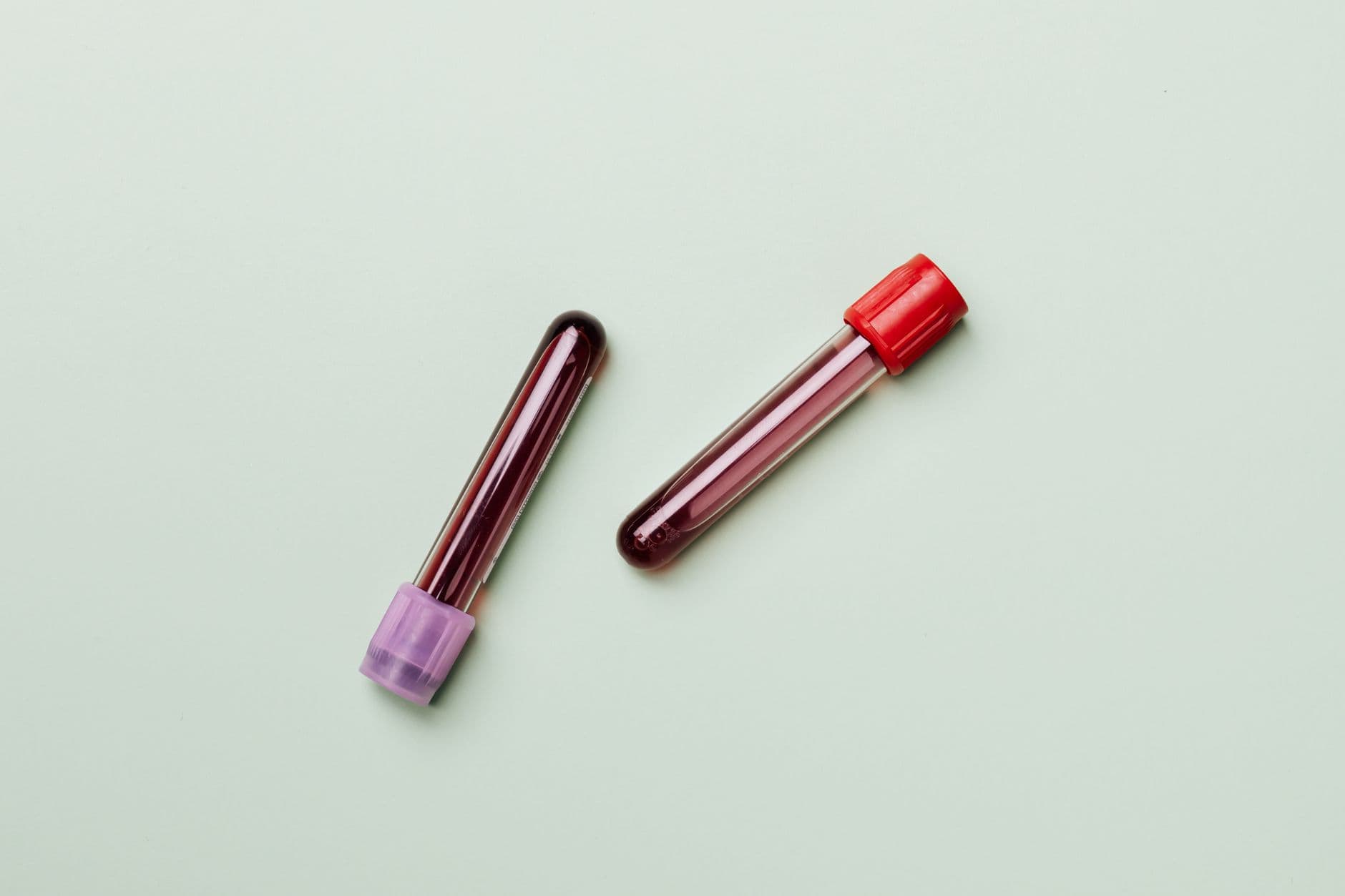
Two tests do most of the work:
Interpretation belongs with a clinician, who reads them against your history rather than against a reference range alone. If you want a free, no-signup way to organize your own baseline numbers before that appointment, our Health Check tool walks through the standard clinical metrics without selling you anything.
The other side: why excess iron is a real problem
Your body absorbs iron carefully but has no efficient mechanism for excreting it. What comes in largely stays in. That asymmetry is what makes casual supplementation unwise.
We covered the broader principle in can you take too many vitamins: fat-soluble vitamins and minerals accumulate in a way that water-soluble vitamins do not, and iron is the clearest example.
If you have been told to supplement: doing it well
Forms
Ferrous sulfate is the long-standing standard — effective, inexpensive, well studied. Ferrous gluconate and ferrous fumarate are common alternatives. Some people tolerate iron bisglycinate better, and it is often marketed on that basis; it is a reasonable option if the standard forms cause problems, though it typically costs more. Follow the dose you were given rather than the one on the label, since prescribed doses are matched to your results.
Absorption: what genuinely helps and hinders
The every-other-day finding
One of the more useful developments in recent iron research concerns hepcidin, the hormone that regulates iron absorption. A dose of iron raises hepcidin, which then blunts absorption of a second dose taken soon after. Studies have found that alternate-day dosing can achieve absorption comparable to daily dosing, often with fewer side effects. It is a genuinely practical finding — but it is a conversation to have with the doctor managing your treatment, not a change to make unilaterally.
Side effects, and how to live with them
Constipation, nausea, stomach discomfort, and dark stools are common. Dark stools are expected and harmless. If side effects are making you skip doses, that is worth reporting — adjusting the timing, the form, or the frequency usually solves it. Abandoning treatment because of tolerability is the most common reason deficiency goes uncorrected.
Iron also interacts with several medications, including some antibiotics and thyroid medication, which typically need to be separated by several hours. Our supplement and medication interactions guide covers the pattern.
Food first, where it applies
If you are not deficient, food is the sensible route. Heme iron — from red meat, poultry, and fish — is absorbed most readily. Non-heme iron — from lentils, beans, tofu, pumpkin seeds, and dark leafy greens — is absorbed less efficiently, but pairing it with vitamin C at the same meal improves matters considerably. Lentils with tomatoes, or beans with peppers, are doing real work.
Food cannot correct an established deficiency quickly on its own, which is why treatment is supplemental. But it is what maintains you afterward.
How long treatment takes
Two timeframes are worth knowing, because the gap between them causes people to stop early:
Stopping when you feel better is the most common way people end up deficient again a few months later.
Bottom line
Iron is not a wellness supplement, and it does not belong in a routine you assembled yourself. For someone genuinely deficient, correcting it is among the most worthwhile things in this entire category — the change in daily life is real and often dramatic. For someone who is not deficient, it offers no benefit and carries a genuine downside, because the body cannot readily clear what it does not need. The dividing line between those two people is a blood test, not a symptom.
Test first. Treat with a clinician. Keep it away from children. This is general information, not medical advice — talk to a doctor before starting iron or any new supplement, especially if you take medications or have a health condition.
Frequently Asked Questions
Should I take iron supplements if I feel tired all the time?
Not without testing first. Fatigue has many possible causes, and iron deficiency is only one of them. A ferritin test and a complete blood count can confirm or rule it out in a single appointment. Taking iron speculatively is unhelpful if you are not deficient, and potentially harmful, since the body has no efficient way to excrete excess iron.
What blood test shows iron deficiency?
Ferritin measures your iron stores and is usually the earliest marker to fall — it can drop before anemia appears on a blood count. A complete blood count shows whether anemia has developed. One caveat: ferritin rises during inflammation or infection, so a normal result while you are unwell does not completely rule out deficiency. A clinician interprets both against your history.
What helps iron absorption?
Vitamin C meaningfully improves absorption of non-heme iron, so taking your dose with a source of vitamin C helps. Coffee, tea, and calcium all reduce absorption and should be separated from the dose by a couple of hours. Taking iron on an empty stomach improves absorption, though taking it with a little food is far better than skipping doses because of nausea.
Is it better to take iron every day or every other day?
Research on hepcidin, the hormone regulating iron absorption, has found that a dose of iron blunts absorption of a subsequent dose taken soon after — and that alternate-day dosing can achieve comparable absorption, often with fewer side effects. It is a useful finding, but the schedule should be set by the doctor managing your treatment rather than changed on your own.
Why are iron supplements dangerous for children?
Acute iron overdose is a leading cause of poisoning deaths in young children. Supplements are often sweet-coated and resemble candy, and a child can consume a harmful quantity quickly. This is why iron products carry explicit warnings. Iron supplements should always be stored out of reach and out of sight.

VitaGlobe Editorial Team
Independent research desk — evidence reviewed against peer-reviewed sources
The VitaGlobe editorial team researches supplements against published, peer-reviewed evidence. We use indicative language, cite real findings, and flag where evidence is weak. This is general information, not medical advice.