Best Supplements for Memory and Focus: An Honest, Human Guide

VitaGlobe Editorial Team
Independent research desk — evidence reviewed against peer-reviewed sources
You walked into the room and forgot why
If that sentence made you smile in recognition, you are in good company. Most of us hit stretches where our attention feels slippery and names sit just out of reach. It is unsettling, and the internet is happy to sell you a fix — usually a glossy bottle promising a "limitless" brain by Friday.
Let us be honest and kind about this at the same time: no pill turns an ordinary brain into a superhuman one. But a few supplements do have real, modest evidence, and knowing which ones saves you money and disappointment. Here is the grown-up version of the conversation.
The ingredients with genuine evidence
Omega-3 (DHA). Your brain is largely fat, and DHA is a structural part of it. The research is strongest for supporting long-term brain health rather than producing an overnight focus boost, but it is one of the more defensible choices, especially if you rarely eat oily fish.
Caffeine paired with L-theanine. This is the quiet workhorse. Caffeine sharpens alertness; L-theanine (from tea) takes the jittery edge off. Together they are well studied for focused, calm attention — and far cheaper than most "nootropic blends" that simply repackage them.
Creatine. Best known for muscles, it is now showing up in cognition research, particularly for mental fatigue and in people who are sleep-deprived or do not eat meat. Promising and very safe, though still emerging.
B12 and folate — but only if you are low. A genuine deficiency (common in older adults, vegetarians, and people on certain medications) can cause real cognitive fog, and correcting it helps. If your levels are normal, more does not make you sharper.
Bacopa and rhodiola. Bacopa has some evidence for memory over weeks of use; rhodiola may help mental fatigue under stress. Real, but gentle — think nudge, not transformation.
The ones that are oversold
Most flashy "nootropic" blends lean on caffeine and proprietary mixes with undisclosed doses. Ginkgo biloba, despite its fame, has mixed-to-disappointing results in large trials. And any product implying a movie-style intelligence upgrade is selling a story, not science.
Where a supplement actually fits
If you are weighing a brain-and-focus formula, the useful questions are simple: does it disclose its doses, and does it lean on ingredients that actually have evidence?
What truly moves the needle (and costs nothing)
Here is the part the supplement ads skip. The biggest levers for memory and focus are unglamorous and free: sleep (your brain files memories overnight), regular exercise (one of the most robust cognitive boosters we know of), managing stress, and simply doing hard mental work — learning, reading, paying real attention instead of scattering it across ten tabs. A supplement on top of those habits can help a little. A supplement instead of them does almost nothing.
When forgetfulness deserves a doctor
Everyday "where are my keys" moments are normal. But memory changes that interfere with daily life, get noticeably worse, or worry the people around you are worth a conversation with a doctor — not a supplement. Earlier is always better.
Bottom line
Omega-3, caffeine-plus-L-theanine, creatine, and correcting a real B12/folate deficiency are the choices with the most honest support for memory and focus. Treat them as small helpers alongside sleep, movement and genuine mental effort — and see a doctor for memory changes that affect your daily life. This is general information, not medical advice.
Frequently Asked Questions
Do brain supplements really improve memory?
A few do, modestly: omega-3 (DHA), caffeine with L-theanine, creatine, and correcting a genuine B12 or folate deficiency. None produce a dramatic upgrade, and they work best alongside good sleep and exercise.
What is the best supplement for focus?
For most people, caffeine paired with L-theanine has the best evidence for calm, focused attention — and it is far cheaper than most branded nootropic blends, which often just repackage the same ingredients.
Are nootropic blends worth it?
Often not. Many use proprietary mixes with undisclosed doses and lean on caffeine. Look for products that disclose their doses and use ingredients with real evidence, and be skeptical of anything promising a dramatic intelligence boost.
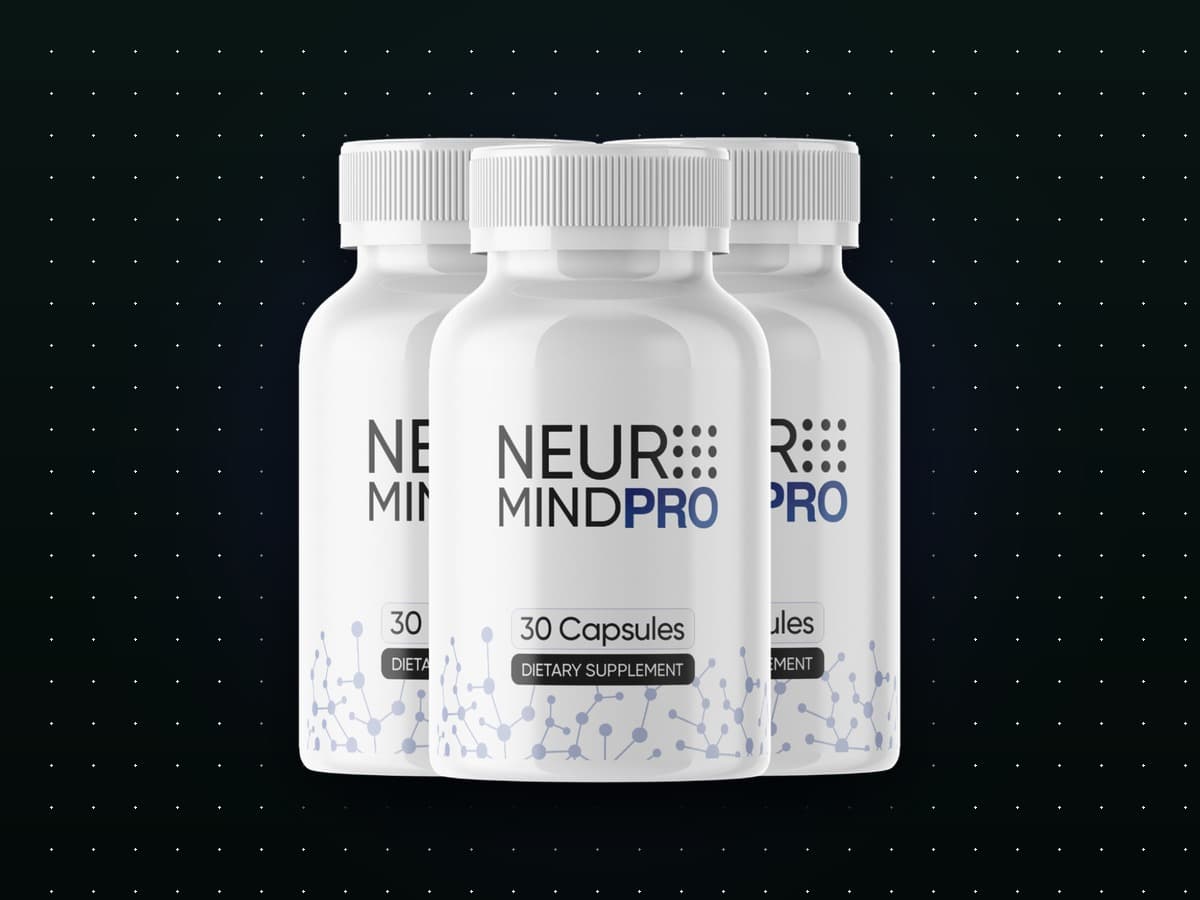
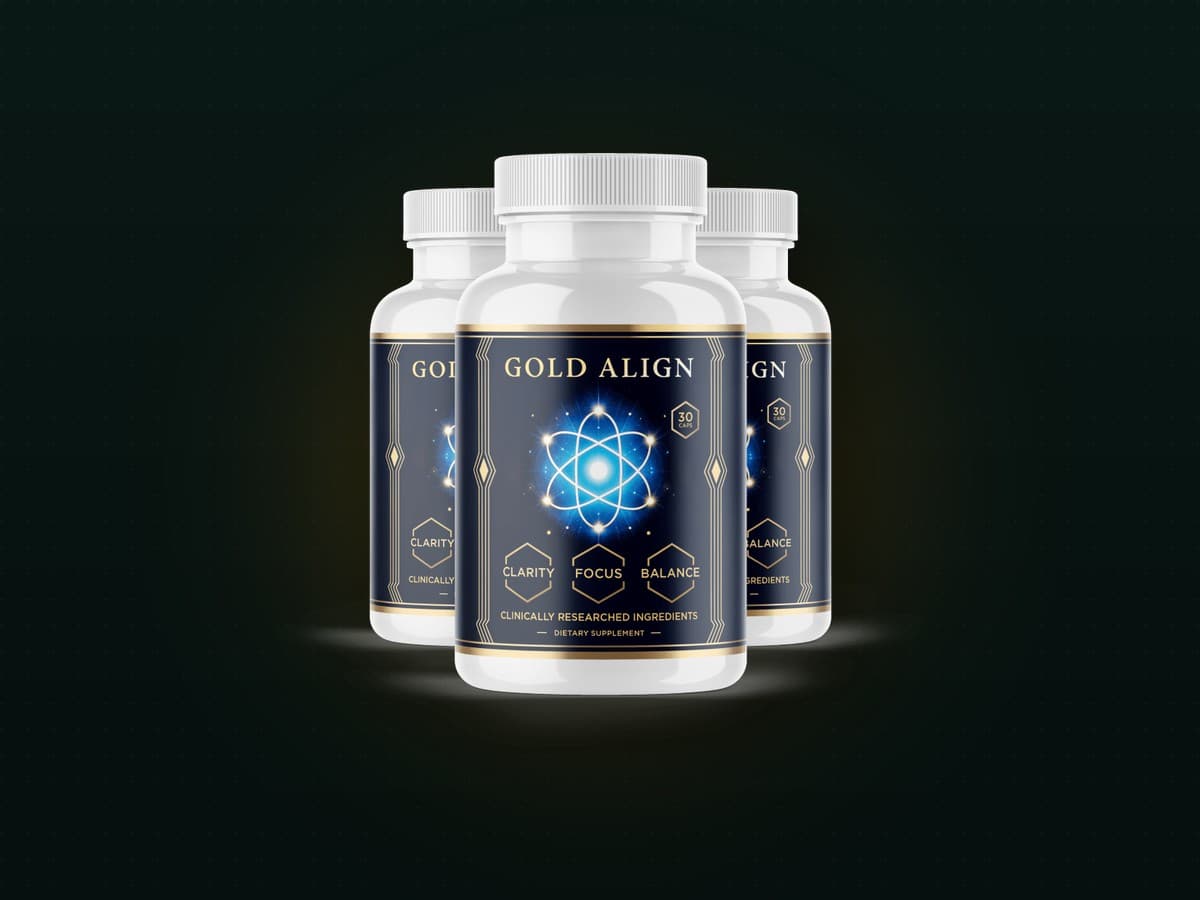
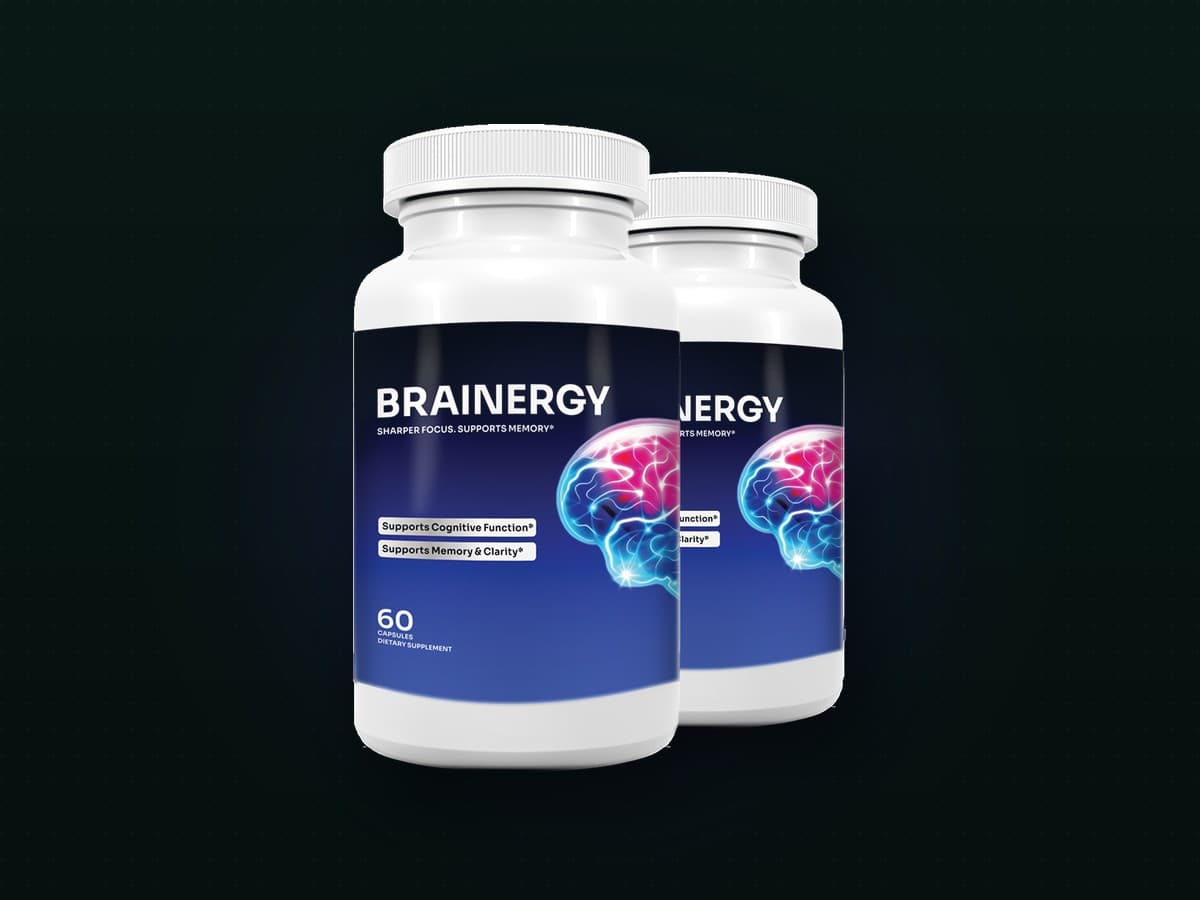
Supplements we've reviewed on this topic
Thinking about a product? Read our honest, evidence-based breakdown before you buy.

VitaGlobe Editorial Team
Independent research desk — evidence reviewed against peer-reviewed sources
The VitaGlobe editorial team researches supplements against published, peer-reviewed evidence. We use indicative language, cite real findings, and flag where evidence is weak. This is general information, not medical advice.