
Ashwagandha for Stress, Sleep, and Anxiety: What the Evidence Honestly Says

VitaGlobe Editorial Team
Independent research desk — evidence reviewed against peer-reviewed sources
“Wired but tired” has a name — and maybe an answer
You are exhausted, but you can’t switch off — lying in bed at midnight with a brain that keeps sprinting. If that “wired-but-tired” loop is your normal, you have almost certainly been told ashwagandha is the answer; it is the most hyped “adaptogen” of the moment. Here is the refreshing part: this is one where the research is actually fairly decent. Not magic, but real. Let us go through it honestly, so you know exactly what to expect.
What it actually is
Ashwagandha (Withania somnifera) is a herb used for centuries in Ayurvedic medicine. It is classed as an “adaptogen” — a plant said to help the body handle stress. Most quality studies use standardized extracts (you will see names like KSM-66 and Sensoril on labels), which matters, because a random powder is not the same as the studied extract.
What the evidence genuinely supports
Stress and cortisol — its strongest area. Several randomized trials show ashwagandha can meaningfully reduce perceived stress and lower cortisol (your main stress hormone). This is the benefit with the most solid backing.
Anxiety — promising. Multiple studies report reduced anxiety scores, though it is a supplement, not a treatment for an anxiety disorder.
Sleep — modest but real. It tends to help people fall asleep a bit easier and improve sleep quality, often as a knock-on effect of lower stress rather than acting as a sedative.
Other claims (testosterone, strength, energy). Some small studies are encouraging, but the evidence is thinner — treat these as “maybe,” not selling points.
How much, and for how long
Studies typically use a standardized extract around 300–600 mg per day, and benefits usually show up over several weeks, not on day one. Consistency matters more than dose-chasing.
The safety cautions most posts skip
This is where honesty counts:
Where it fits — and a note on sleep
Ashwagandha shines when stress is the thing wrecking your sleep. If that is you, it pairs naturally with good sleep habits. For the bigger picture on sleep support — melatonin, magnesium, L-theanine and where they fit — see our guide to natural sleep aids that actually work and our magnesium guide. If you want a ready-made sleep formula, look for one that discloses its doses and does not lean on a stimulant load.
Bottom line
Ashwagandha is one of the better-supported supplements for stress, with real (if modest) benefits for anxiety and sleep — best taken as a standardized extract (300–600 mg) over several weeks. But mind the thyroid interaction, avoid it in pregnancy, and check with a doctor if you take medication or have a thyroid or autoimmune condition. This is general information, not medical advice.
Frequently Asked Questions
What does ashwagandha actually do?
Its strongest, best-supported effect is reducing stress and cortisol. It also shows promise for anxiety and modestly improves sleep — often as a result of lower stress rather than acting as a sedative.
How long does ashwagandha take to work?
Most studies use a standardized extract (around 300–600 mg daily) and benefits typically appear over several weeks of consistent use, not immediately.
Who should not take ashwagandha?
Avoid it in pregnancy and nursing. Be cautious if you have a thyroid condition (it can raise thyroid hormones), an autoimmune condition, or take sedatives or other medications — check with a doctor first.
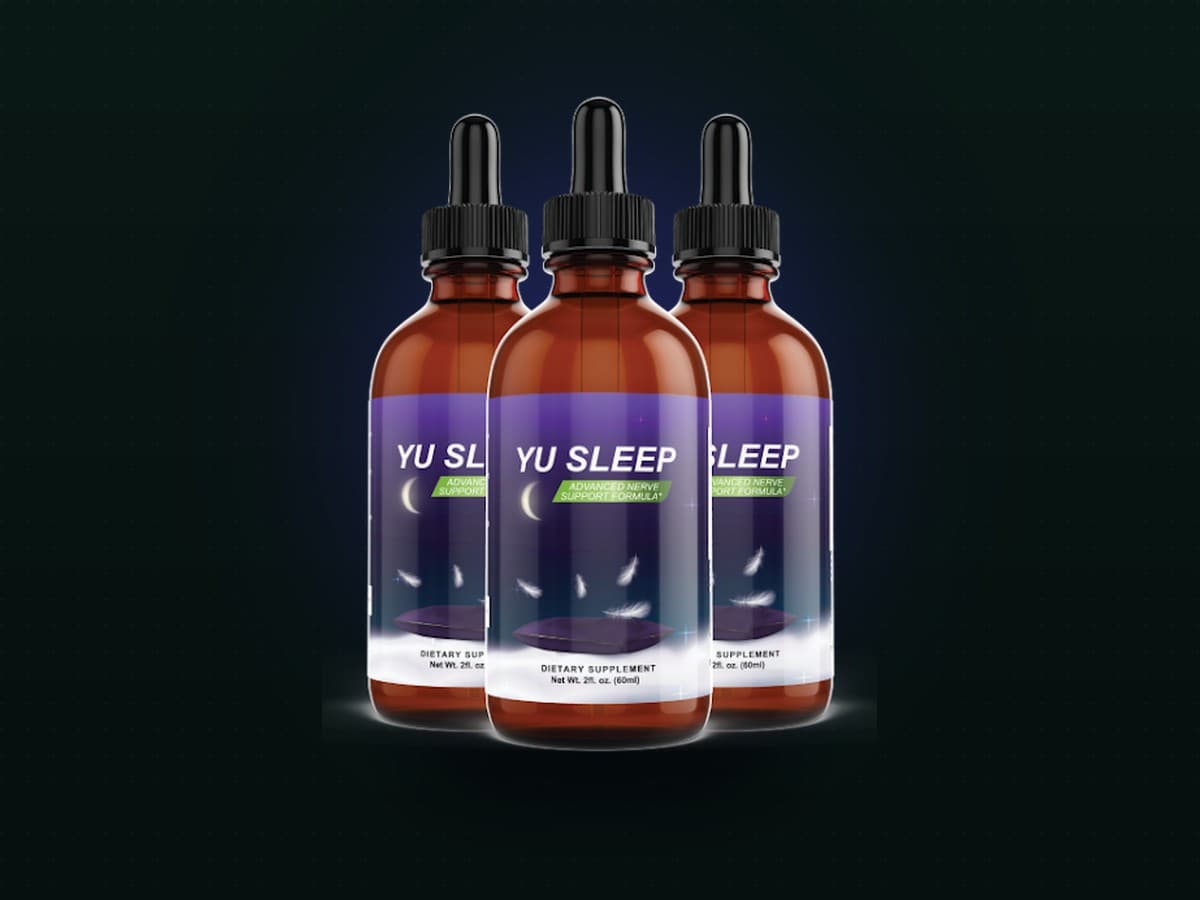
Supplements we've reviewed on this topic
Thinking about a product? Read our honest, evidence-based breakdown before you buy.

VitaGlobe Editorial Team
Independent research desk — evidence reviewed against peer-reviewed sources
The VitaGlobe editorial team researches supplements against published, peer-reviewed evidence. We use indicative language, cite real findings, and flag where evidence is weak. This is general information, not medical advice.