Natural Sleep Aids That Actually Work: An Evidence-Based Guide

VitaGlobe Editorial Team
Independent research desk — evidence reviewed against peer-reviewed sources
The Best Sleep Aid Isn’t in a Bottle
Here is the part no supplement ad will lead with: the most effective “sleep aids” are behavioral, not bottled — a consistent wake time, morning daylight, a cool dark room, and cutting caffeine after midday. If those basics are broken, no pill fixes them. But once they are in place, a few natural ingredients genuinely do have research behind them — so let us cover both, honestly.
Quick answer: The natural sleep aids with the most credible evidence are low-dose melatonin (for timing, not sedation), magnesium, L-theanine and tart cherry. They are occasional support, modest in effect, and only work on top of solid sleep habits. Be cautious with 5-HTP if you take antidepressants, and see a doctor for snoring with daytime exhaustion or long-running insomnia.
Fix the foundations first
Before any supplement, four habits do more than anything in a bottle, and they cost nothing:
If those are broken, start there. A supplement layered on top of bad sleep hygiene is money spent papering over the real problem.
The ingredients with the best evidence
Melatonin. The most studied, and it works best for what people misuse it least: shifting your body clock (jet lag, shift work) and shortening the time it takes to fall asleep. Its effect on total sleep time is more modest. Crucially, less is more — low doses around 0.5–1 mg are often as effective as high doses and cause less morning grogginess. It is best for occasional use, not indefinite nightly reliance. Take it a couple of hours before bed rather than at lights-out for clock-shifting purposes.
Magnesium (glycinate). May modestly improve sleep quality, mostly in people who are low in magnesium to begin with. The glycinate form is gentle on the stomach and well tolerated, which is why it turns up in sleep formulas. A reasonable, low-risk thing to try.
L-theanine. An amino acid from tea that promotes a calm, unhurried state without sedation. It can help specifically when a busy, anxious mind is the thing keeping you awake, rather than a body that will not settle.
Tart cherry. A natural source of melatonin and other compounds, with small studies suggesting modest gains in sleep time and quality. Pleasant and benign, if unspectacular.
Glycine, lemon balm, apigenin (from chamomile). Calming supporting players with earlier, smaller evidence. Low-risk and pleasant, but not powerful on their own — think of them as the backing band, not the headliner.
Ingredients to be careful with
5-HTP appears in some sleep blends. It raises serotonin, so combined with antidepressants (SSRIs or SNRIs) it can contribute to a dangerous excess of serotonin — do not use it without medical advice. More generally, be wary of any “sleep” product that is really a megadose of sedative herbs stacked together; a longer ingredient list is not a better one, and heavy sedation is not the same as good sleep.
How to judge a sleep supplement
If you decide to try a ready-made formula, the questions that matter are few and specific: does it use a sensible, low melatonin dose rather than a 5–10 mg sledgehammer; does it disclose the amount of every ingredient rather than hiding them in a “proprietary blend”; and does it avoid stacking a stimulant-like ingredient against the sedatives? A product that will not tell you how much of each thing it contains is one you cannot evaluate. Our guide on how to read a supplement label covers the same habit for any product.
When it is not a supplement problem
Loud snoring paired with daytime exhaustion can signal sleep apnea; months of being unable to fall or stay asleep is chronic insomnia. Neither is fixed by a supplement, and both deserve a doctor — apnea because it carries real cardiovascular risk, insomnia because the most effective treatment (CBT-I, a structured behavioral therapy) genuinely outperforms pills. Melatonin is also not appropriate for pregnancy, nursing, or under-18s without medical guidance, and not right before driving at night.
Bottom line
Low-dose melatonin, magnesium, L-theanine and tart cherry are the natural sleep aids with the most credible research — used as occasional support alongside solid sleep habits, not as a substitute for them. Keep melatonin doses low, watch the 5-HTP interaction, favor products that disclose their doses, and see a doctor for a true sleep disorder. This is general information, not medical advice.
Frequently Asked Questions
What is the most effective natural sleep aid?
Melatonin has the strongest evidence for falling asleep faster, especially for jet lag or a shifted body clock. A low dose (about 0.5–1 mg) is often as effective as a high one and causes less grogginess.
Is it safe to take melatonin every night?
Melatonin is generally intended for occasional or short-term use rather than indefinite nightly reliance. It is not for pregnancy, nursing, under-18s, or before driving at night. Ask a doctor if you need it long term.
Can natural sleep aids cure insomnia?
No. Supplements may help occasional sleeplessness, but chronic insomnia or suspected sleep apnea need medical evaluation, not a supplement.
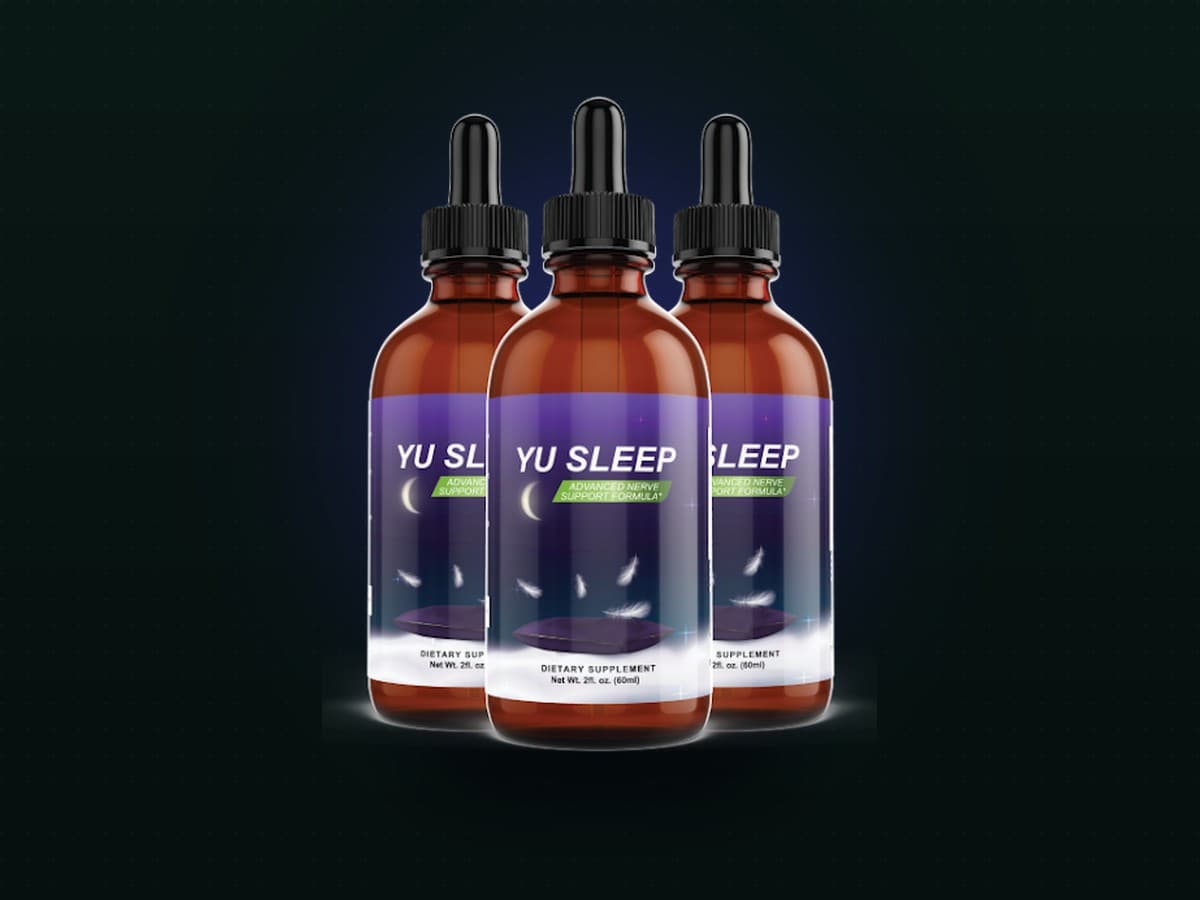
Supplements we've reviewed on this topic
Thinking about a product? Read our honest, evidence-based breakdown before you buy.

VitaGlobe Editorial Team
Independent research desk — evidence reviewed against peer-reviewed sources
The VitaGlobe editorial team researches supplements against published, peer-reviewed evidence. We use indicative language, cite real findings, and flag where evidence is weak. This is general information, not medical advice.