Best Vitamins for Eye Health: An Honest, Evidence-Based Guide

VitaGlobe Editorial Team
Independent research desk — evidence reviewed against peer-reviewed sources
Do Eye Vitamins Actually Protect Your Sight?
Between screens all day and the slow blur that creeps in with age, it is no wonder “eye health” supplements sell so well. Here is what sets this category apart: it is one of the few with a large, well-run clinical trial behind it — but only for a specific purpose. Understanding that one distinction saves you from both false hope and false skepticism, and tells you exactly when these vitamins are worth it.
Quick answer: The AREDS2 nutrients — lutein, zeaxanthin, vitamin C, vitamin E, zinc and copper — have solid evidence for slowing the progression of age-related macular degeneration in people who already have intermediate or advanced AMD. They are not proven to prevent AMD in healthy eyes, and they do not sharpen normal vision. Eat for your eyes, supplement with realistic expectations, and see an eye doctor for any real change.
The AREDS2 formula
The landmark AREDS2 study tested a specific combination of nutrients and found it slowed progression in people who already had intermediate or advanced age-related macular degeneration (AMD). The formula includes:
This is the backbone of evidence-based eye supplements, and it is worth knowing the original study replaced the beta-carotene used in the first AREDS formula with lutein and zeaxanthin — because beta-carotene was linked to a higher lung-cancer risk in smokers. If a product still uses beta-carotene, that history is worth knowing.
What AREDS2 is — and is not — for
It is important to be honest here: AREDS2 was studied in people with existing AMD. It was not shown to prevent AMD in healthy eyes, and it does not sharpen normal vision, reverse damage, or undo the everyday blur of needing glasses. So a lutein and zeaxanthin supplement is reasonable for people who are at risk or already affected, ideally on an eye doctor’s advice — but it is not a general “see better” pill for anyone with tired eyes.
Other nutrients with a role
Omega-3 (DHA and EPA). Structurally important for the retina, and helpful for dry-eye symptoms in some studies — though, notably, AREDS2 tested omega-3 and did not find it slowed AMD. So its case is for comfort, not for macular protection.
A colorful diet. Leafy greens (spinach, kale), eggs, and orange and yellow vegetables deliver lutein and zeaxanthin naturally, along with the other antioxidants your eyes use. This is the foundation any supplement sits on top of, and for most people with healthy eyes it is enough.
The truth about “blue light” supplements
Lutein and zeaxanthin genuinely do filter blue light within the macula, which is why the marketing leans on it. But the leap from “filters some blue light” to “cancels screen strain” is overstated. Digital eye strain is mostly about how you use screens, not a nutrient deficiency: it comes from staring without blinking, poor lighting and not taking breaks. The 20-20-20 habit — every 20 minutes, look at something 20 feet away for 20 seconds — does more for screen comfort than any capsule.
Where an eye supplement fits
If you are considering a vision-support product, the meaningful questions are whether it actually contains the AREDS2-style nutrients at the amounts used in the research (not token traces), whether it keeps zinc paired with a little copper, and whether it makes honest claims rather than promising to restore eyesight. A product that overpromises on the label tends to underdeliver in the bottle.
When to see an eye doctor instead
Sudden vision changes, flashes, new floaters, eye pain or progressive blur are not supplement situations — they need prompt professional care, sometimes urgently. Regular eye exams matter because conditions like AMD and glaucoma are most manageable when caught early, often before you notice symptoms yourself. A supplement is never a substitute for that exam.
Bottom line
The AREDS2 nutrients — lutein, zeaxanthin, zinc and antioxidants — have real evidence for slowing AMD progression in people who already have it, not for preventing it or improving normal vision. Eat a colorful diet for your eyes, supplement with realistic expectations and ideally professional guidance, and see an eye doctor for any real change in your sight. This is general information, not medical advice.
Frequently Asked Questions
What vitamins are best for eye health?
The best-evidenced are the AREDS2 nutrients: lutein, zeaxanthin, vitamin C, vitamin E, zinc and copper. They were shown to slow progression of age-related macular degeneration in people who already have it.
Do eye vitamins improve normal vision?
No. The AREDS2 evidence is about slowing macular degeneration in affected individuals, not sharpening healthy vision or preventing disease. Treat eye supplements accordingly.
Are lutein and zeaxanthin worth taking?
For people at risk of or living with AMD, they are reasonable and well-studied. For healthy eyes, a diet rich in leafy greens and colorful vegetables provides them naturally.
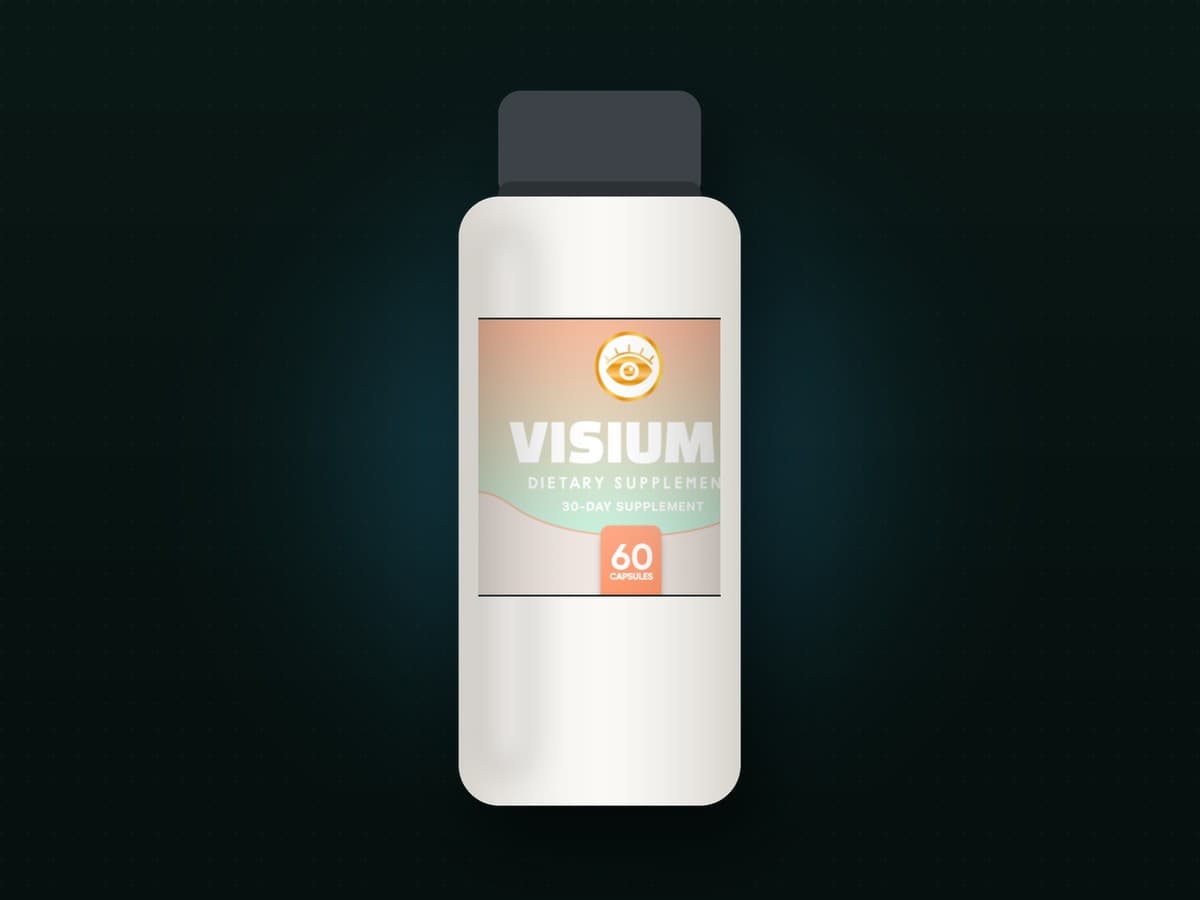
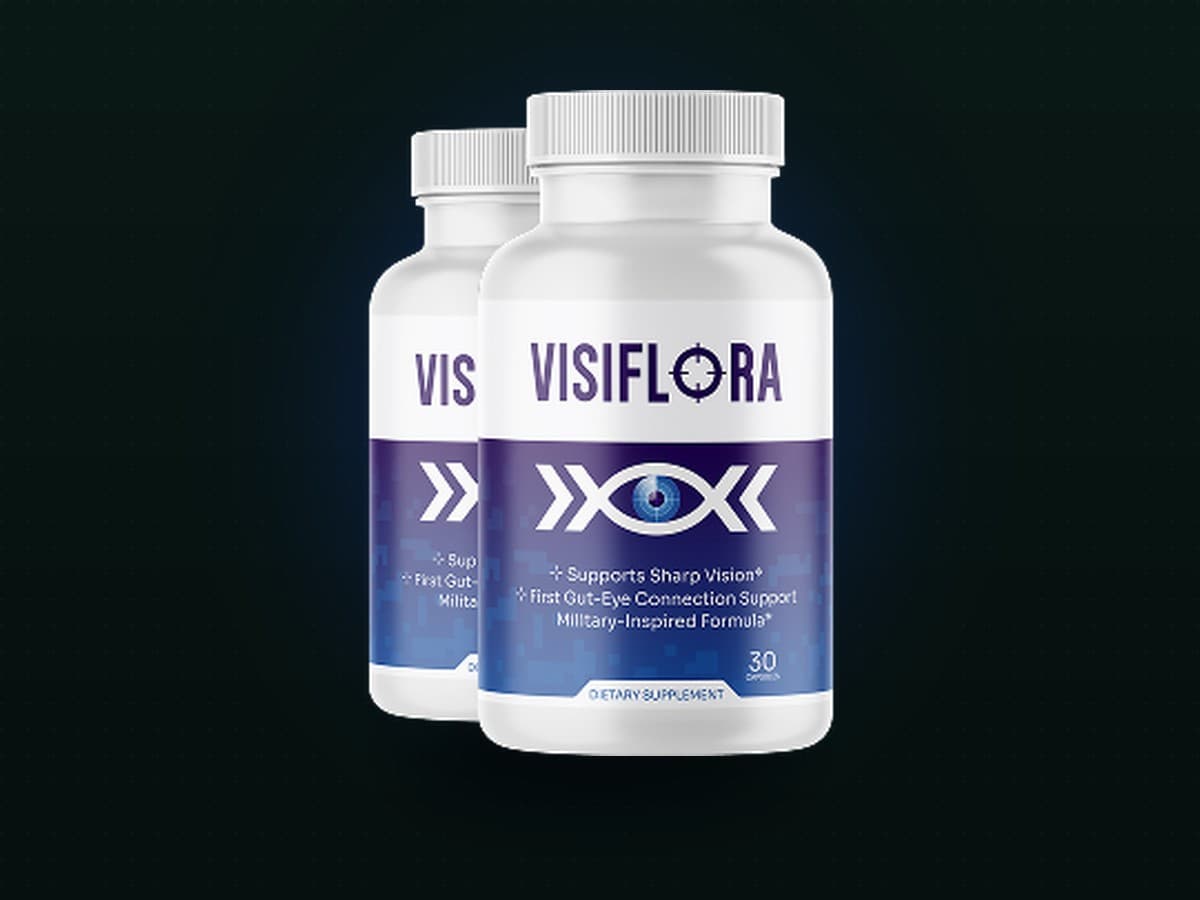
Supplements we've reviewed on this topic
Thinking about a product? Read our honest, evidence-based breakdown before you buy.

VitaGlobe Editorial Team
Independent research desk — evidence reviewed against peer-reviewed sources
The VitaGlobe editorial team researches supplements against published, peer-reviewed evidence. We use indicative language, cite real findings, and flag where evidence is weak. This is general information, not medical advice.