Creatine for Women: Benefits, Dosage, and What the 2026 Science Says

VitaGlobe Editorial Team
Independent research desk — evidence reviewed against peer-reviewed sources
The supplement women were wrongly told to skip
For years, creatine sat in the “bodybuilder bro” corner of the supplement aisle, and most women walked right past it — often warned it would make them “bulky” or “puffy.” The 2026 research has flipped that story completely. Creatine has become one of the most talked-about supplements for women, and for once the trend is backed by real science, not marketing. Here is the honest picture.
Quick answer: Creatine is safe and effective for women. Beyond strength, emerging evidence suggests it may support bone density, mood, and cognition — benefits that matter especially through perimenopause and menopause. The effective dose is a simple 3–5 g of creatine monohydrate per day, and no, it does not make women bulky.
What creatine actually does for women
The “it’ll make me bulky” myth
This is the fear that kept women away — and it is mostly wrong. Women have far less testosterone than men, so large muscle gains simply do not happen from creatine. What you may notice in the first week is a small increase on the scale — that is water drawn into the muscle (a good thing for performance), not fat and not “bulk.” It levels off, and many women never notice it at all.
How much, and how to take it
Who should be cautious
Creatine has a strong safety record in healthy adults, but if you are pregnant, breastfeeding, have kidney disease, or take medication, check with your doctor first — a good habit covered in our interactions guide. And remember creatine works alongside resistance training and protein, not instead of them.
Bottom line
Creatine is not a men’s supplement — it may be one of the most useful and best-value options for women, particularly for strength, bone and midlife support. Take 3–5 g of plain creatine monohydrate daily, pair it with some resistance training, and ignore the bulking myth. As always: this is general information, not medical advice, and a good diet comes first — run any new supplement through our do you actually need supplements? framework.
Frequently Asked Questions
Does creatine make women bulky?
No. Women have far less testosterone than men, so creatine does not cause large muscle gains. Any early weight change is water drawn into the muscle (which helps performance), not fat or bulk, and it levels off.
How much creatine should a woman take?
3–5 grams of plain creatine monohydrate per day is the effective, well-studied dose. A loading phase is optional — daily 3–5 g reaches the same point within a few weeks. Consistency matters more than timing.
Is creatine safe for women, including during menopause?
Creatine has a strong safety record in healthy adults and is being studied specifically for strength, bone and cognitive support in midlife women. If you are pregnant, breastfeeding, have kidney disease, or take medication, check with your doctor first.
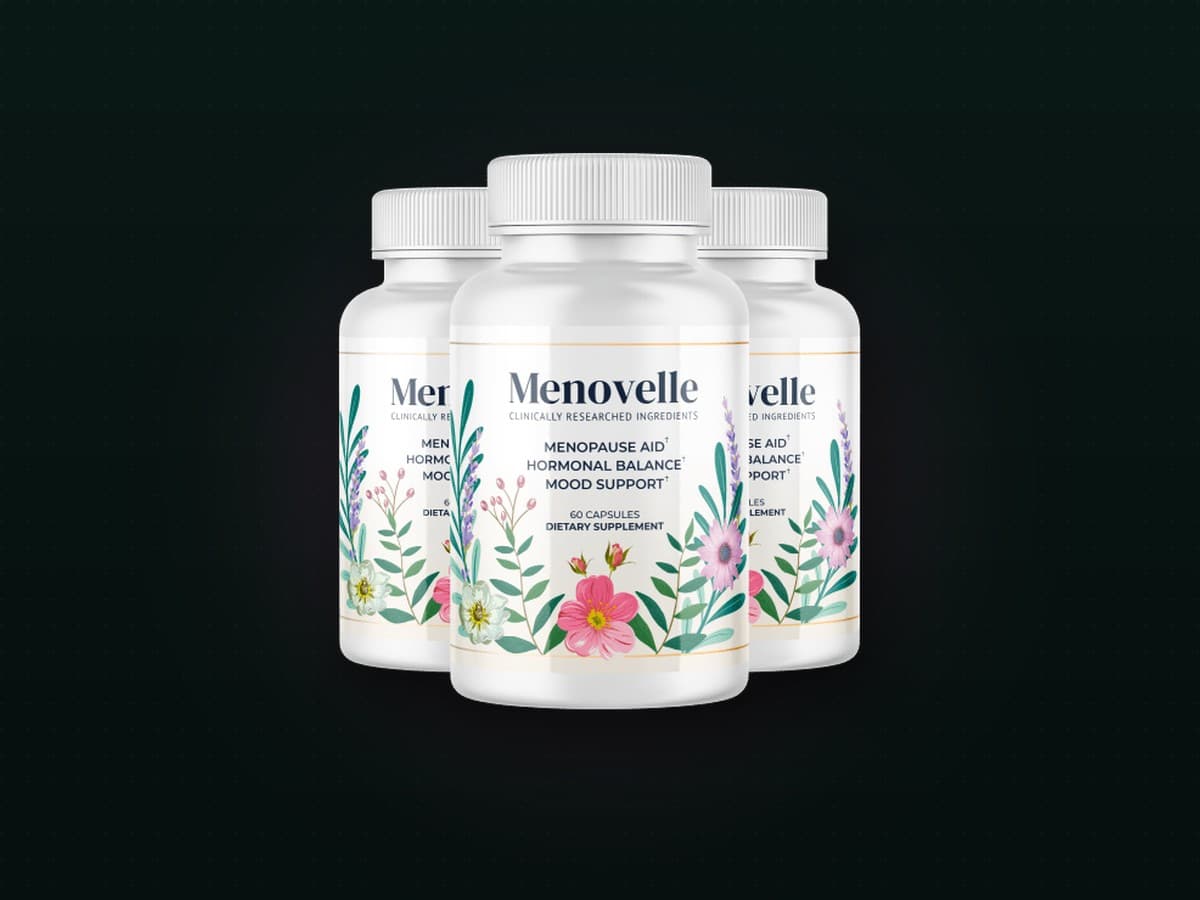
Supplements we've reviewed on this topic
Thinking about a product? Read our honest, evidence-based breakdown before you buy.

VitaGlobe Editorial Team
Independent research desk — evidence reviewed against peer-reviewed sources
The VitaGlobe editorial team researches supplements against published, peer-reviewed evidence. We use indicative language, cite real findings, and flag where evidence is weak. This is general information, not medical advice.