Supplement Trends 2026: What’s Actually Worth Your Attention

VitaGlobe Editorial Team
Independent research desk — evidence reviewed against peer-reviewed sources
The year the supplement aisle grew up (a little)
Every January the wellness world crowns a new set of “it” supplements, and most fade by spring. But 2026 is interesting, because several of this year’s biggest movers are backed by more than marketing. As an independent desk, our job is to separate the two — so here is our honest read on what is genuinely trending in the US right now, and whether the evidence earns the hype.
1. Creatine — no longer just for gym bros
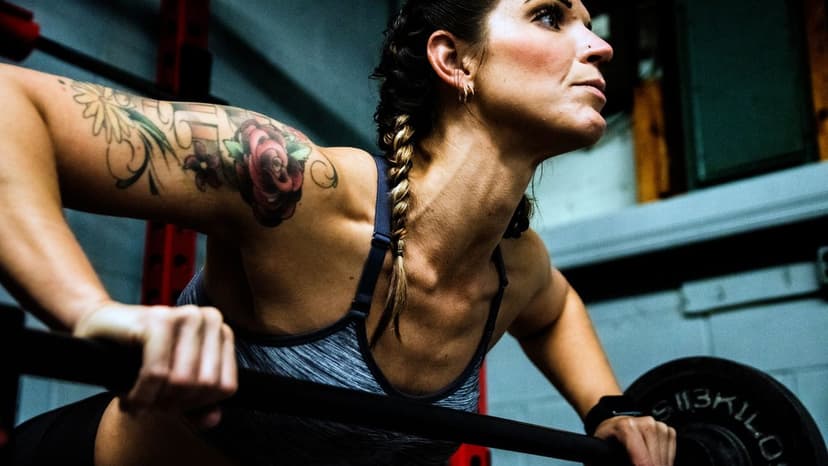
The single clearest shift of 2026 is creatine going mainstream, especially among women. For decades it was filed under “bodybuilding.” Now the conversation has widened to brain health, mood, bone density and healthy aging — and the demand has followed.
Our read: this is a rare case where the trend and the evidence move together. Creatine is one of the most-studied supplements in existence, with a strong safety record and real data for strength and, increasingly, cognition. The caveat is dose and consistency, not whether it “works.” If you have written creatine off as a men’s locker-room powder, 2026 is a fair moment to look again — start with our creatine evidence guide.
2. “Natural GLP-1” and the berberine boom
With GLP-1 drugs like Ozempic dominating headlines, 2026’s supplement market has rushed to offer a “natural” version — and berberine is the poster child, with searches up sharply and a wave of “GLP-1-friendly” products behind it.
Our read: berberine is the real deal relative to other supplements — it has genuine human data for blood sugar and metabolic markers. But calling it “nature’s Ozempic” oversells it: the effect size is far smaller than the drugs, it comes with real digestive side effects and drug interactions, and it is not a weight-loss shortcut. We laid out the honest comparison in natural alternatives to Ozempic and the berberine deep-dive. Trending? Yes. Miraculous? No.
3. Menopause support steps into the light
One of the healthiest trends of 2026 is cultural as much as commercial: menopause is finally getting real attention, and formulas aimed at it — featuring ingredients like black cohosh, Siberian rhubarb and lignans — are among the fastest-growing categories.
Our read: this is a genuine, underserved need, and some of these ingredients have promising (if mixed) evidence. The risk is the usual one — undisclosed doses and grand claims. If you are navigating this, our guide to natural supplements for menopause covers what the science actually supports, and creatine (above) is increasingly part of this conversation for bone and muscle in midlife women.
4. Sleep and stress — the quiet giants
Against a backdrop of record-low consumer sentiment, natural sleep and stress support keeps climbing — magnesium, L-theanine, ashwagandha and glycine leading the way.
Our read: demand driven by anxiety is not a reason to distrust the category; several of these have solid, if modest, evidence. The trap is expecting a capsule to fix what is really a sleep-hygiene or stress-load problem. Start with the free levers in how to sleep better tonight and the honest roundup in natural sleep aids that work.
5. The regulation story you should not ignore
Behind the products, 2026 has a quieter theme: tighter scrutiny of claims. Regulators continue to enforce the DSHEA rule that supplements may not make disease claims, and ad platforms are increasingly rejecting “before/after” and medical imagery. That is good news for you — it pushes the market toward honesty.
Our read: the enduring lesson beneath every trend is the same one. A supplement is not FDA-approved, so the burden of proof sits with you. The fundamentals never trend and never date: disclosed doses, third-party testing, realistic claims. If you only read one thing this year, make it how supplement regulation actually works.
Bottom line
2026’s standout trends — creatine for women, berberine as “natural GLP-1,” menopause support, and sleep/stress aids — are more evidence-backed than the average wellness fad, which is genuinely encouraging. But “trending” and “proven for you” are still different things. Use the momentum to explore, then judge each product the timeless way: dose, testing, honest claims, and a conversation with your doctor. This is general information, not medical advice.
Frequently Asked Questions
What is the biggest supplement trend of 2026?
Creatine going mainstream — especially among women — for brain health, bone density, mood and healthy aging, not just gym performance. It is notable because it is one of the rare trends where the science and the hype actually align.
Is berberine really “natural Ozempic”?
Berberine has genuine human evidence for blood sugar and metabolic markers, which makes it strong relative to other supplements. But the “natural Ozempic” label oversells it: the effect is far smaller than GLP-1 drugs, it has real side effects and drug interactions, and it is not a weight-loss shortcut.
How do I judge a trending supplement?
Ignore the momentum and apply the timeless checks: are the doses disclosed and at researched levels, is it third-party tested, are the claims realistic rather than miraculous, and could it interact with your medication? A trend is a reason to look, not a reason to buy.
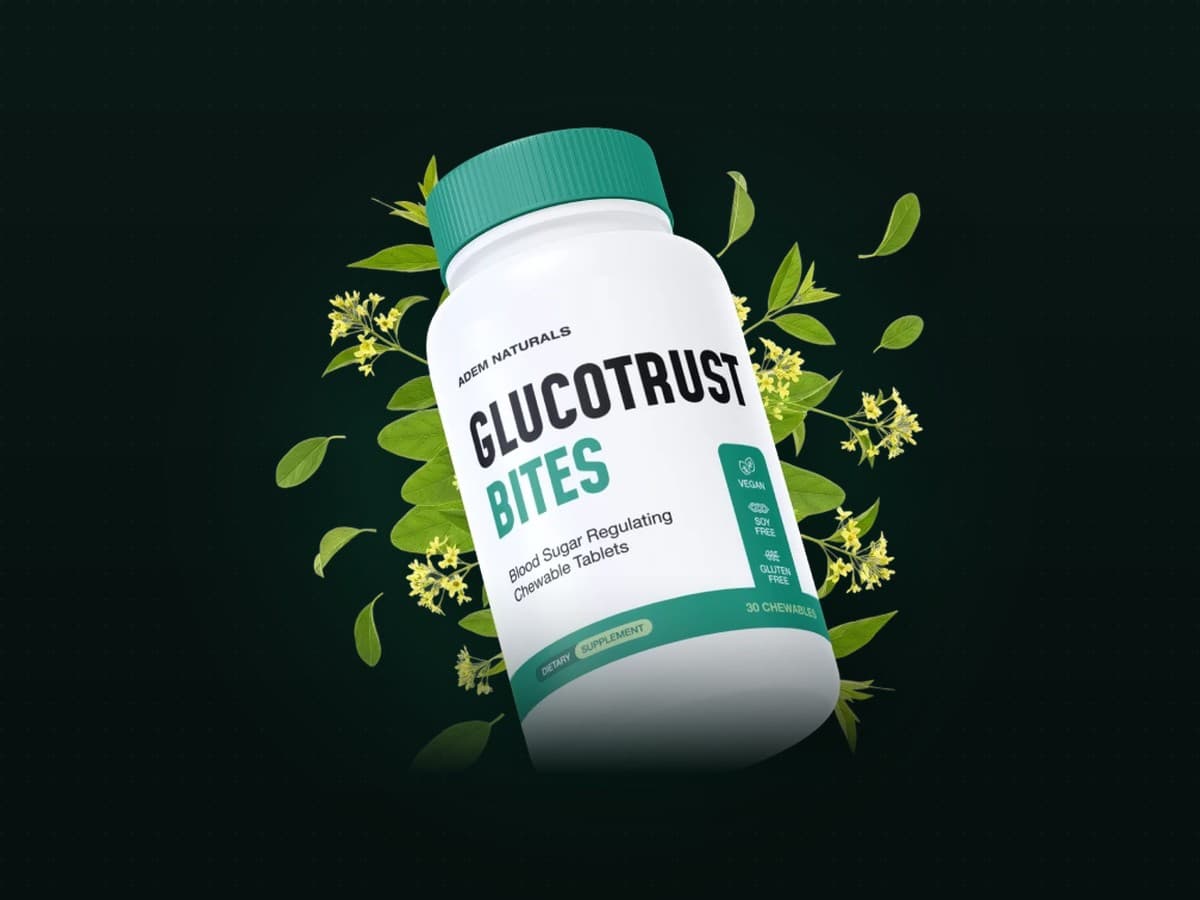
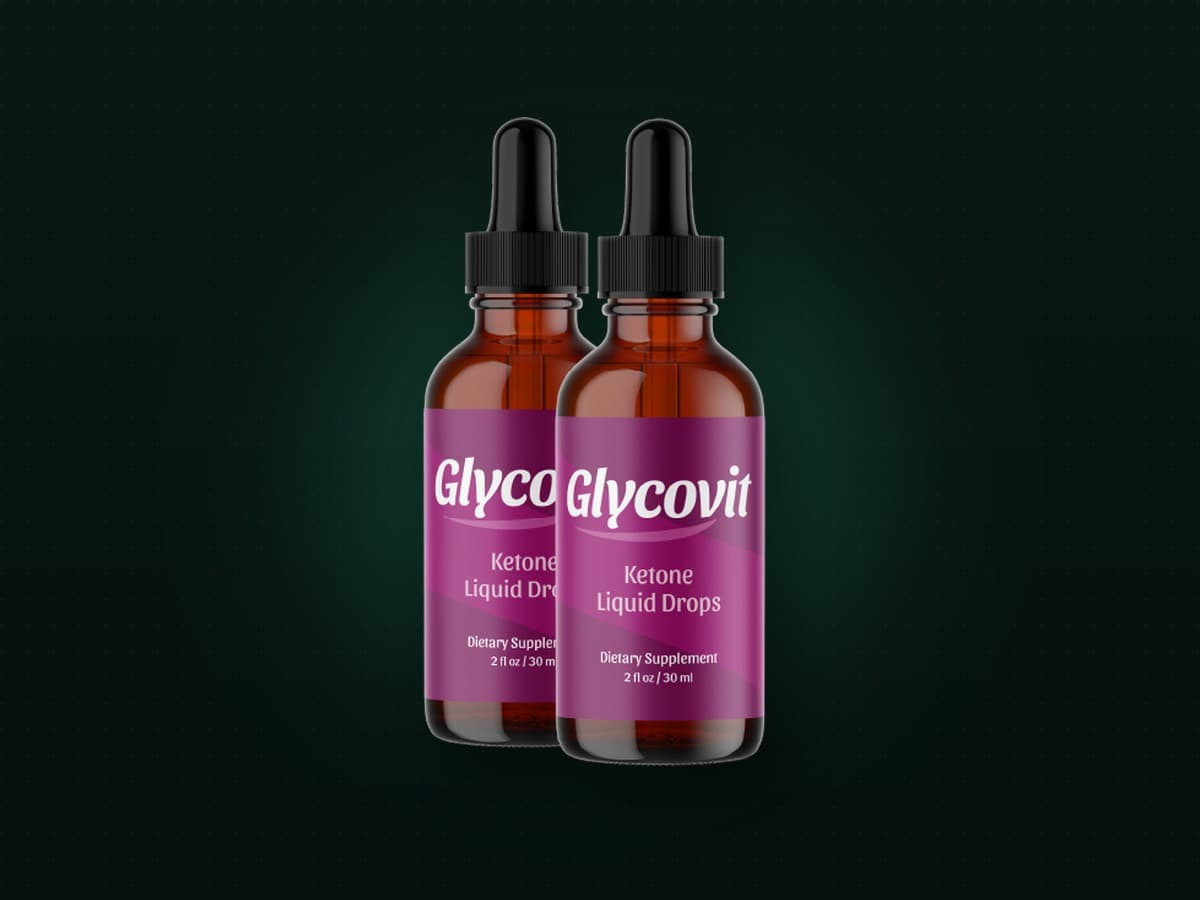
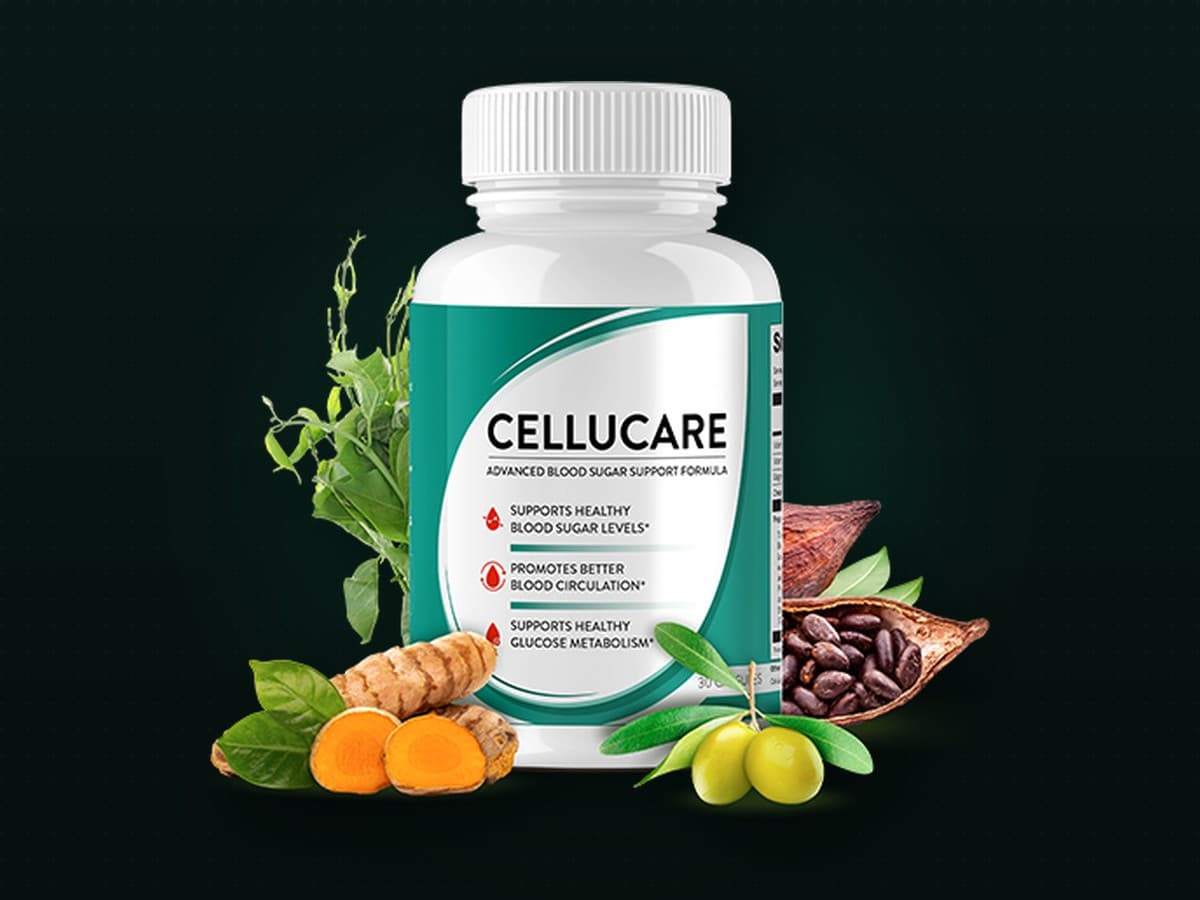
Supplements we've reviewed on this topic
Thinking about a product? Read our honest, evidence-based breakdown before you buy.

VitaGlobe Editorial Team
Independent research desk — evidence reviewed against peer-reviewed sources
The VitaGlobe editorial team researches supplements against published, peer-reviewed evidence. We use indicative language, cite real findings, and flag where evidence is weak. This is general information, not medical advice.