Do Expired Supplements Still Work — and Are They Safe?

VitaGlobe Editorial Team
Independent research desk — evidence reviewed against peer-reviewed sources
The bottle in the back of the cabinet
Everyone has one: a supplement bottle, half full, with a date on the label that passed a while ago. The question is simple — is it still worth taking, or is it a health risk? The reassuring news is that, for most supplements, an expiration date is more about potency than danger. But there are real exceptions worth knowing.
What a supplement “expiration date” actually means
For most supplements, the date is a potency guarantee, not a safety cliff. It is the manufacturer’s promise that, stored correctly, the product still contains the labeled amount up to that point. After it, the nutrients slowly degrade — so an expired vitamin is usually not dangerous, it is simply weaker, delivering less than the label says. How much weaker depends on the nutrient and how it was stored.
Which ones lose potency fastest
When to just throw it out
Skip the date and discard the bottle if you see any of these:
When in doubt, the cost of replacing a supplement is small compared with taking something degraded.
How to make them last: storage matters more than you think
Most potency loss comes from bad storage, not time alone. The enemies are heat, light, and moisture — which makes the bathroom cabinet (steamy) and a shelf above the stove two of the worst places you can keep them. Better habits:
Bottom line
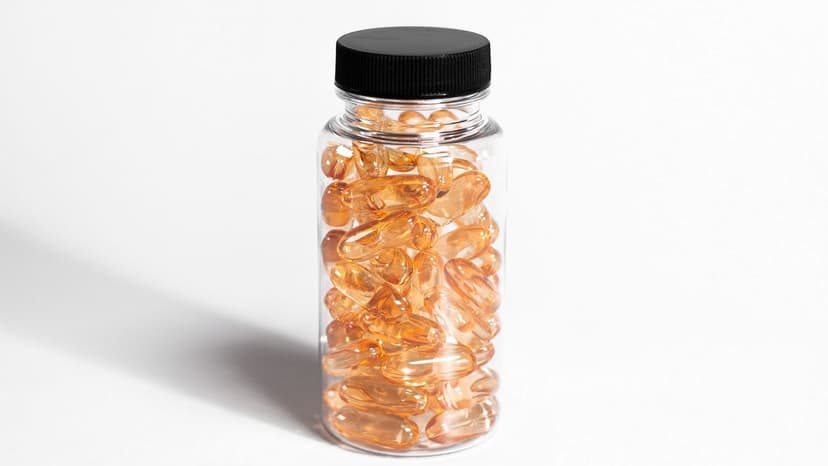
For most supplements, past the expiration date means less potent, not unsafe — you are likely getting a weaker dose rather than a hazard. The exceptions to respect are probiotics (dead organisms do nothing) and fish oil (which can go rancid and should be tossed if it smells off), plus anything showing moisture, mold, or a changed smell. Store everything cool, dry, and sealed, and your supplements will actually last to the date on the label. This is general information, not medical advice.
Frequently Asked Questions
Is it safe to take expired supplements?
For most supplements, an expiration date is a potency guarantee rather than a safety cliff — expired vitamins are usually just weaker, not dangerous. The main exceptions are fish oil, which can go rancid, and probiotics, whose live organisms die off. Discard anything with a changed smell, color, moisture, or mold.
Which supplements should never be taken past their expiration date?
Be strict with probiotics (the live organisms lose viability, so the product stops working) and fish oil or omega-3 (the fats can turn rancid — toss it if it smells fishy or sour). Also discard any prescribed or critical supplement where full potency matters.
How should I store supplements to make them last?
Keep them in a cool, dry, dark place with the lid tight and any desiccant packet left inside. Avoid heat, light, and moisture — which means the bathroom and any shelf near the stove are among the worst spots. Good storage prevents most potency loss.

VitaGlobe Editorial Team
Independent research desk — evidence reviewed against peer-reviewed sources
The VitaGlobe editorial team researches supplements against published, peer-reviewed evidence. We use indicative language, cite real findings, and flag where evidence is weak. This is general information, not medical advice.