Natural Supplements for Menopause: Black Cohosh, Red Clover and What the Evidence Honestly Says

VitaGlobe Editorial Team
Independent research desk — evidence reviewed against peer-reviewed sources
What the menopause aisle won’t tell you
The menopause-supplement aisle makes it sound so simple: take this, and “hormone balance” is restored — the hot flashes fade, the mood lifts, the nights turn cool again. The honest reality is more nuanced, and you deserve it before you spend a dime: a few herbs have genuine (if mixed) evidence for specific symptoms like hot flashes, they help some women meaningfully and others barely, and none of them match hormone replacement therapy (HRT) for significant symptoms. Knowing that up front is exactly what lets you choose wisely instead of hopefully.
The herbs with real evidence
Black cohosh — the most studied. Of all the menopause herbs, black cohosh has the most research behind it for hot flashes and mood. The results are mixed — some trials positive, some neutral — but it is the one with the strongest claim to try. Two things matter: use a standardized extract, and be aware it is not recommended if you have liver concerns.
Red clover — phytoestrogens. Red clover provides isoflavones, plant compounds that weakly mimic estrogen. Evidence for hot flashes is modest and mixed. The important caveat: because phytoestrogens interact with estrogen pathways, women with a history of hormone-sensitive conditions (such as certain breast cancers) should not take them without a doctor’s clearance.
Chasteberry (vitex). More associated with cycle-related mood and PMS-type symptoms than classic menopause, but reasonable for the mood side.
Soy isoflavones. Similar phytoestrogen story to red clover — modest, mixed evidence, same cautions.
Where mushrooms and adaptogens fit
Many newer formulas add adaptogenic mushrooms (reishi, cordyceps, lion’s mane) or herbs like ashwagandha. These are not hormone-specific, but they can genuinely help the fatigue, stress and mood side of the menopause transition. Ashwagandha in particular has decent evidence for stress — see our honest ashwagandha guide for what it does and its own thyroid caveat.
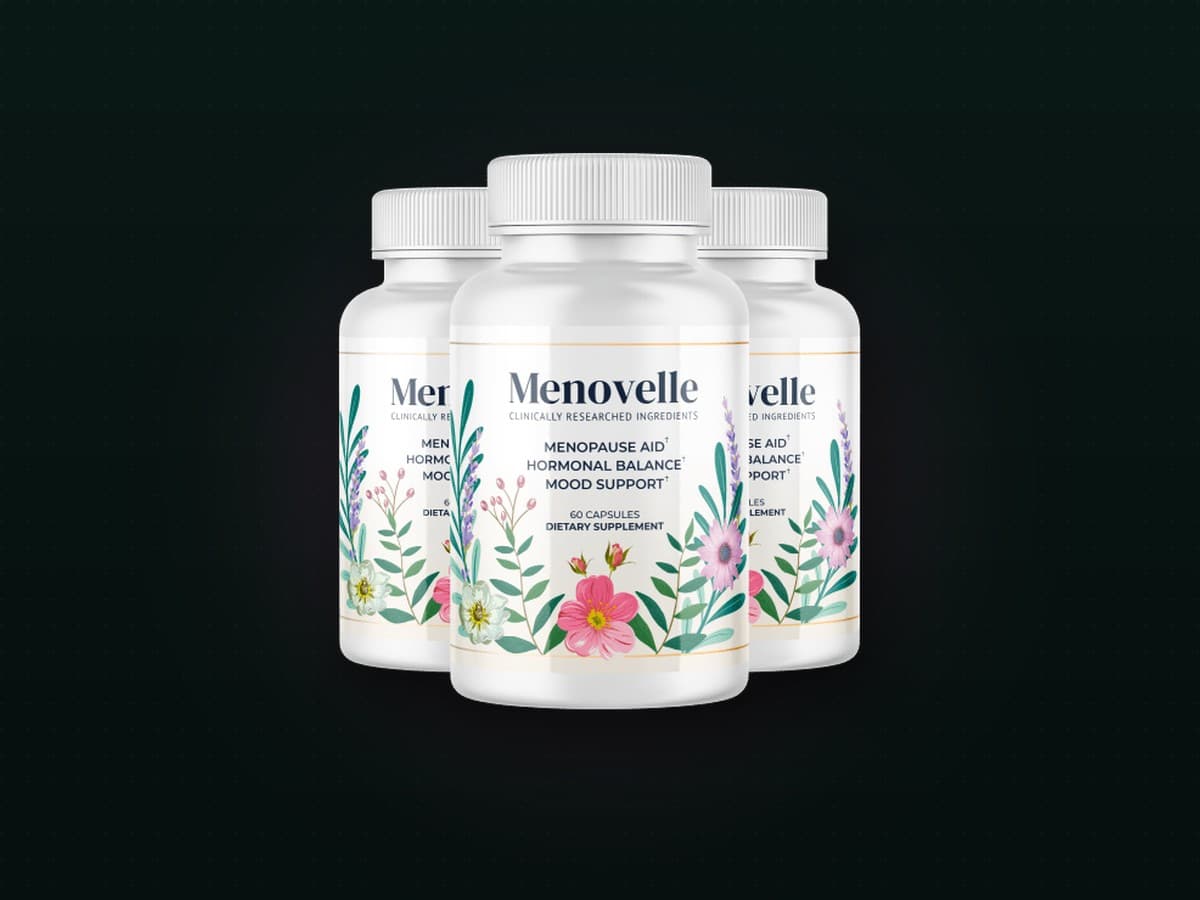
If you want to see how a real menopause product combines these, the useful question is how it weighs the classic herbs against any mushroom blend.
The HRT question
Here is the part supplement marketing skips: for significant menopause symptoms, hormone replacement therapy is generally the most effective option, and modern guidance has become more balanced about its risks and benefits for many women. Supplements are a gentler, non-hormonal alternative better suited to milder symptoms. This is genuinely worth discussing with your doctor rather than defaulting to a bottle — the right choice is individual.
Safety points that actually matter
An honest plan
1. Map your symptoms. Mild-to-moderate? A herbal approach is reasonable. Significant? Discuss HRT with your doctor.
2. Favor standardized extracts (especially black cohosh) over vague blends.
3. Address stress and sleep directly — ashwagandha, good sleep habits — since these amplify everything.
4. Loop in your doctor, particularly with any hormone-sensitive history.
Bottom line
A handful of menopause herbs — black cohosh above all — have real but mixed evidence for symptoms like hot flashes, and adaptogens can help the stress-and-fatigue side. They are worth a try for milder symptoms, ideally as standardized extracts and with your doctor’s awareness. But they are not HRT, results vary a lot between women, and phytoestrogens and black cohosh come with real cautions. Go in clear-eyed. This is general information, not medical advice.
Frequently Asked Questions
What is the best natural supplement for hot flashes?
Black cohosh has the most research of the menopause herbs for hot flashes, though results are mixed. Use a standardized extract, and avoid it if you have liver concerns. Red clover isoflavones are another option, with modest evidence and phytoestrogen cautions.
Are menopause supplements as effective as HRT?
No. For significant symptoms, hormone replacement therapy is generally more effective. Supplements are a gentler, non-hormonal option better suited to milder symptoms. The right choice is individual and worth discussing with your doctor.
Is black cohosh safe?
For many women it is reasonable short-to-medium term, but it is not recommended if you have liver concerns, and it can interact with medications. Use a standardized extract and check with your doctor, especially if you take other medicines.
Supplements we've reviewed on this topic
Thinking about a product? Read our honest, evidence-based breakdown before you buy.

VitaGlobe Editorial Team
Independent research desk — evidence reviewed against peer-reviewed sources
The VitaGlobe editorial team researches supplements against published, peer-reviewed evidence. We use indicative language, cite real findings, and flag where evidence is weak. This is general information, not medical advice.