Sugar Defender Side Effects and Safety: What to Know Before Trying It

VitaGlobe Editorial Team
Independent research desk — evidence reviewed against peer-reviewed sources
Is Sugar Defender Actually Safe to Take?
“All natural” is doing a lot of heavy lifting on this label — and it’s not the same thing as “safe for you.” For most people the ingredients are mild. But there’s one interaction that turns this from a shrug into a real conversation you should have with your doctor.
Quick answer: The ingredients in Sugar Defender are generally well tolerated at typical doses, and the product is framed as gentle "support" rather than a drug. But there is no published safety study on the finished formula, the doses are not disclosed, it contains caffeine (from guarana), and — most importantly — its blood-sugar ingredients can add to the effect of glucose-lowering medication. None of that is a reason to panic; all of it is a reason to involve your doctor.
What "generally well tolerated" does and doesn't mean
The named ingredients — Gymnema, chromium, ginseng and the energy botanicals — have a long history of use and are not associated with serious harm at normal amounts in healthy adults. That is reassuring, but it is ingredient-level reassurance. Because the label shows no Supplement Facts and the maker publishes no third-party testing or finished-formula trial, we cannot speak to the exact doses or to batch-to-batch consistency. Honesty means saying that plainly.
Possible side effects to be aware of
The interaction that matters most
If you take insulin or other glucose-lowering medication, adding any blood-sugar supplement can stack effects and drive your glucose too low. Symptoms of hypoglycemia — shakiness, sweating, confusion, dizziness — are a medical issue, not a minor nuisance. This is exactly why a blood-sugar supplement belongs in a conversation with your doctor or pharmacist, not in a solo experiment. The same caution applies if you take medication for blood pressure or the heart, since some botanicals can interact.
Who should not take it without medical advice
Using it sensibly if you do try it
Start low, take it earlier in the day to limit caffeine effects on sleep, never use it to replace prescribed medication, and monitor how you feel — stopping if you notice anything unusual. The 60-day money-back guarantee (manufacturer-stated) lowers the financial risk of a trial, but it does not replace medical judgment.
For the complete breakdown — ingredients, evidence, pricing and the maker's claims — see our Sugar Defender ingredients breakdown, and our deep dive on what each ingredient is and what the research shows.
These statements have not been evaluated by the Food and Drug Administration. This product is not intended to diagnose, treat, cure, or prevent any disease. Do not stop or change prescribed medication without medical guidance. Consult a qualified healthcare professional before starting any supplement.
Frequently Asked Questions
Is Sugar Defender safe?
Its individual ingredients are generally well tolerated at typical doses, but there is no published safety study on the finished formula and the doses are not disclosed. The biggest real risk is low blood sugar if it is combined with glucose-lowering medication. Check with your doctor first.
Does Sugar Defender have side effects?
Possible effects include caffeine-related jitteriness or sleep trouble (from guarana), mild digestive upset, and — most importantly — low blood sugar, especially if you skip meals or take glucose-lowering drugs.
Can I take it with my diabetes medication?
Not without medical supervision. Blood-sugar supplements can add to the effect of glucose-lowering medication and push your levels too low. Talk to your doctor or pharmacist before combining anything.
Should I take it if I am pregnant or nursing?
No — pregnant and nursing individuals should avoid it unless a doctor advises otherwise, as the formula has not been studied for that use.
Supplements we've reviewed on this topic
Thinking about a product? Read our honest, evidence-based breakdown before you buy.
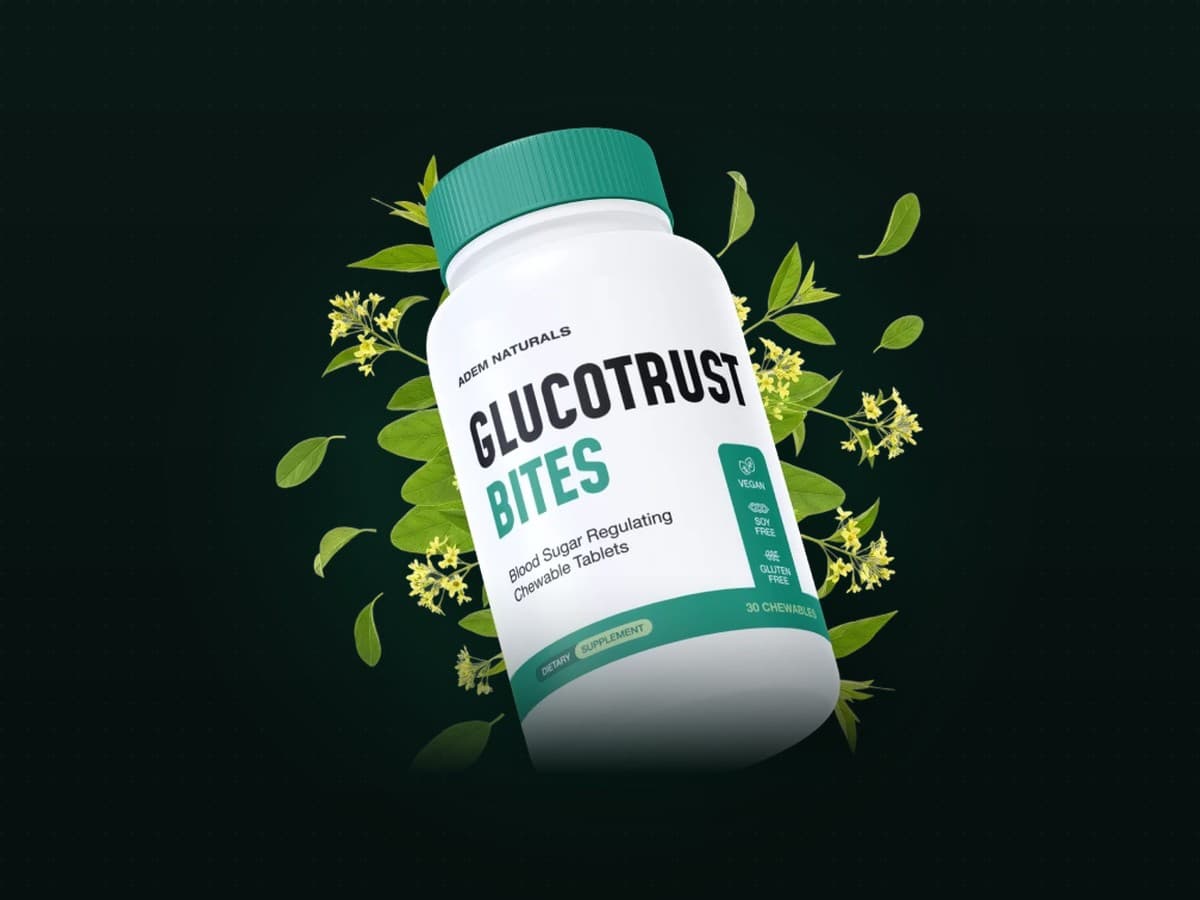
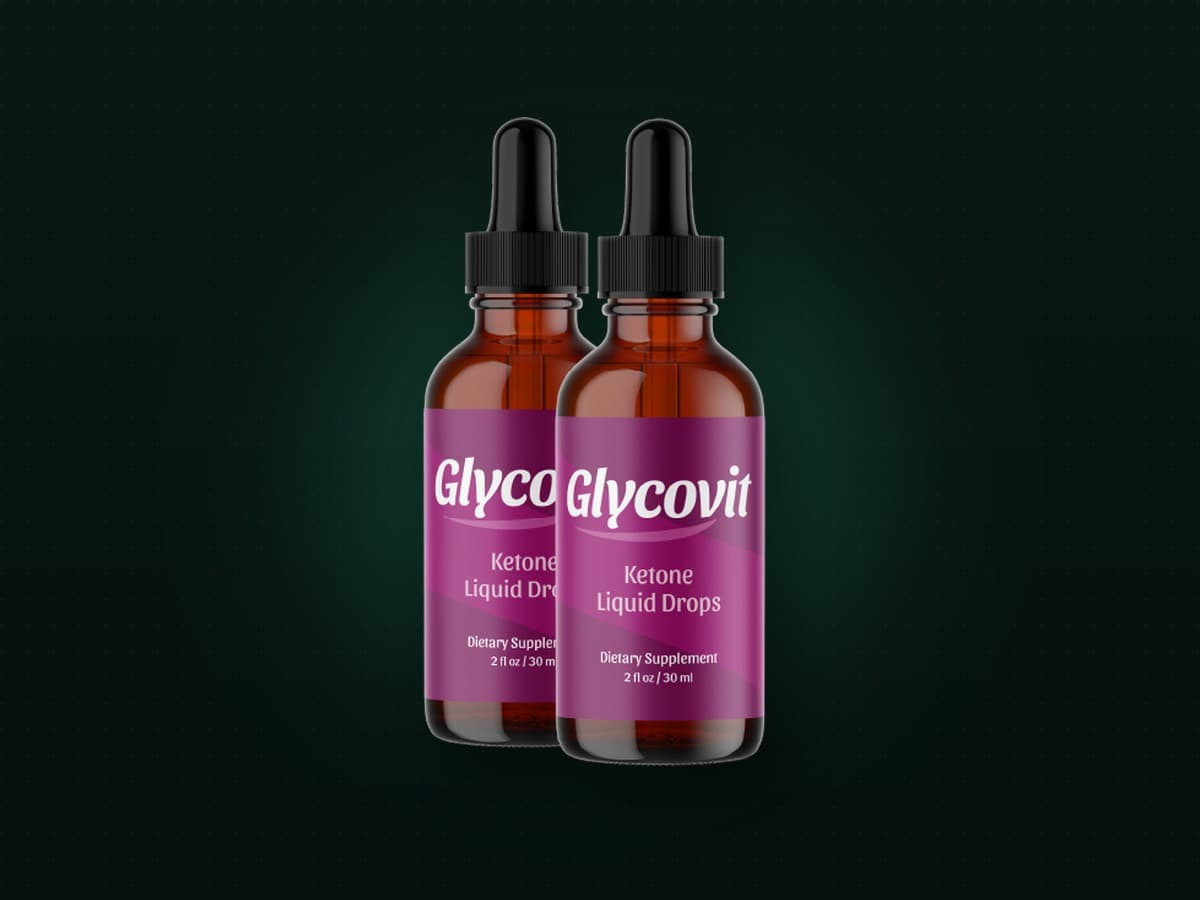
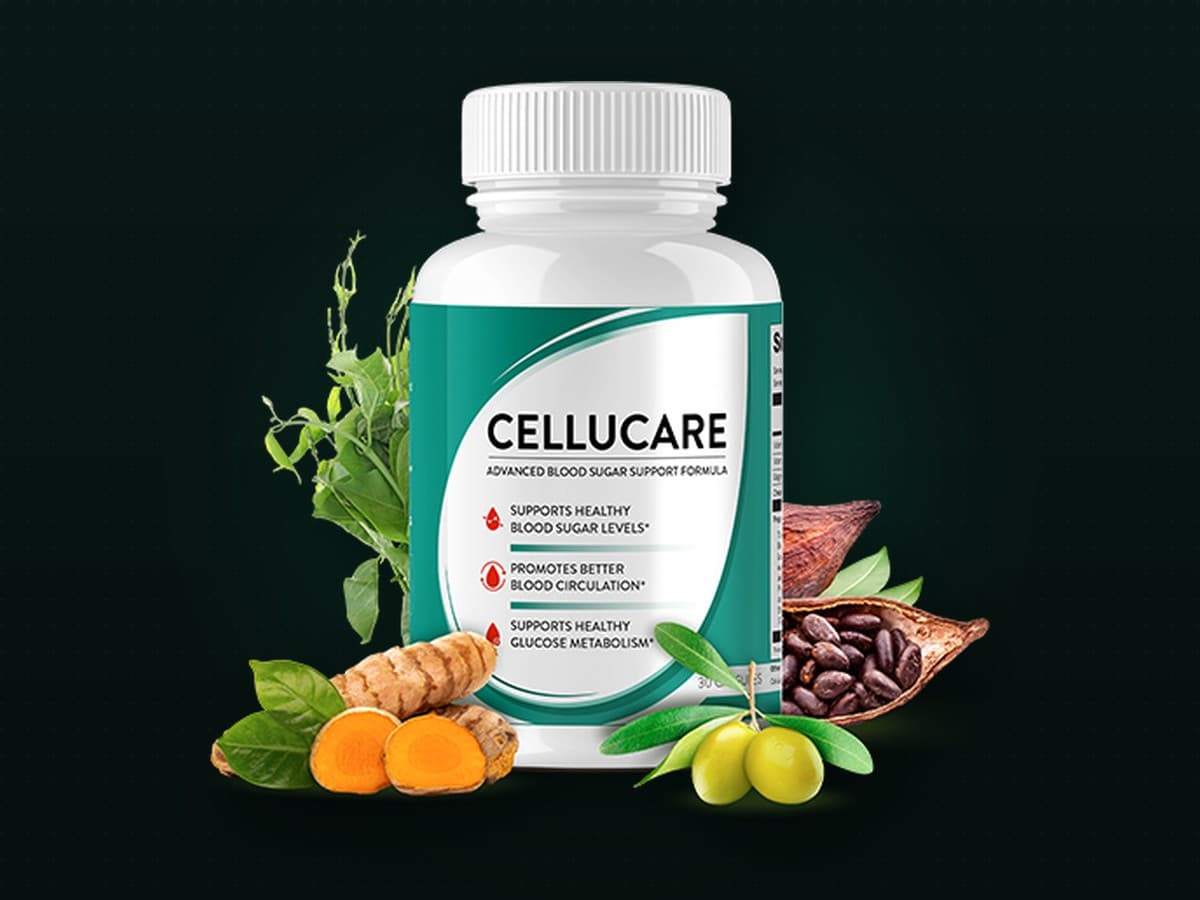

VitaGlobe Editorial Team
Independent research desk — evidence reviewed against peer-reviewed sources
The VitaGlobe editorial team researches supplements against published, peer-reviewed evidence. We use indicative language, cite real findings, and flag where evidence is weak. This is general information, not medical advice.