
Does Apple Cider Vinegar Lower Blood Sugar? An Honest Look

VitaGlobe Editorial Team
Independent research desk — evidence reviewed against peer-reviewed sources
Does a Shot of Vinegar Really Do Anything?
Apple cider vinegar is the remedy your aunt swears by and the internet swears about — a daily shot promised to melt fat, crush cravings and fix your blood sugar. The honest verdict sits right in the middle: there is a real effect, but a small one — and a few cautions worth knowing before you start downing it. Here is exactly what a spoonful of vinegar can, and can’t, do.
Quick answer: Taking 1–2 tablespoons of diluted apple cider vinegar before a carb-heavy meal can modestly blunt the blood-sugar spike that follows. The effect is real but small, the studies are short, and it is a minor helper — not a treatment for diabetes and not a weight-loss solution. Always dilute it, and check with a doctor if you take blood-sugar or blood-pressure medication.
What the studies actually show
Several small studies suggest that taking vinegar before a carbohydrate-heavy meal can modestly blunt the post-meal blood-sugar spike. The most cited mechanism is that the acetic acid slows the rate at which your stomach empties, so the carbohydrates reach your bloodstream more gradually and the glucose curve is gentler. A few studies also point to slightly improved fullness afterward and very minor effects on weight over time.
Two honest caveats matter here. First, the trials are small and short — often a few dozen people over days or weeks, not the large, long studies that settle a question. Second, the effect is modest: a softer curve after a meal, not a transformation of your overall control. Measured over a full day, vinegar is a nudge, not a lever.
Why the timing matters more than the amount
The blood-sugar benefit is tied to taking the vinegar shortly before a meal that contains carbohydrates — that is the window where slowed stomach emptying does its work. A shot on an empty stomach in the morning, far from any meal, is the version most likely to irritate you and least likely to do anything for your glucose. If you are going to try it, take it right before the meal you most want to cushion.
How people typically use it
The common approach is 1–2 tablespoons diluted in a large glass of water, just before a carb-rich meal. Diluting is not optional — straight vinegar is harsh on the mouth, throat and stomach. Some people prefer capsules or gummies for convenience, but the dose is often lower and less consistent than the liquid, and gummies can smuggle in added sugar, which rather defeats the point. Read the label if you go that route.
The cautions that actually matter
Where it fits in the bigger picture
Apple cider vinegar is one small tool among several, and it is worth being clear-eyed about its rank. The things that genuinely move blood sugar — walking after meals, eating vegetables and protein before the carbohydrates, getting enough fiber, sleeping properly, and managing weight — matter far more than any pre-meal shot. Vinegar sits comfortably on top of those habits and does nothing useful without them. We lay the foundations out in our guide to lowering blood sugar naturally.
You will also find apple cider vinegar listed inside various metabolism and blood-sugar supplement blends. If you are weighing one of those, the sensible checks are simple: is the vinegar present in a meaningful amount rather than a token sprinkle, and does the label disclose the actual doses of everything else in the formula?
Bottom line
Apple cider vinegar can modestly blunt a post-meal blood-sugar spike, based on small, short studies — a gentle helper, not a cure and not a fat-burner. Take it diluted and right before a carb-containing meal, protect your teeth, and check with a doctor if you take blood-sugar or blood-pressure medication. The real, lasting wins come from food, movement and sleep. This is general information, not medical advice.
Frequently Asked Questions
Does apple cider vinegar really lower blood sugar?
Small studies suggest taking diluted vinegar before a carb-heavy meal can modestly blunt the post-meal spike, likely by slowing stomach emptying. The effect is real but minor, and it is not a treatment for diabetes.
How should I take apple cider vinegar for blood sugar?
The common method is 1–2 tablespoons diluted in a large glass of water just before a carb-rich meal. Never drink it straight — it can erode tooth enamel and irritate your throat.
Is apple cider vinegar safe?
For most people in small, diluted amounts, yes. But it can erode teeth, lower potassium, and amplify blood-sugar or insulin medication. Check with a doctor if you take those or have delayed stomach emptying.
Supplements we've reviewed on this topic
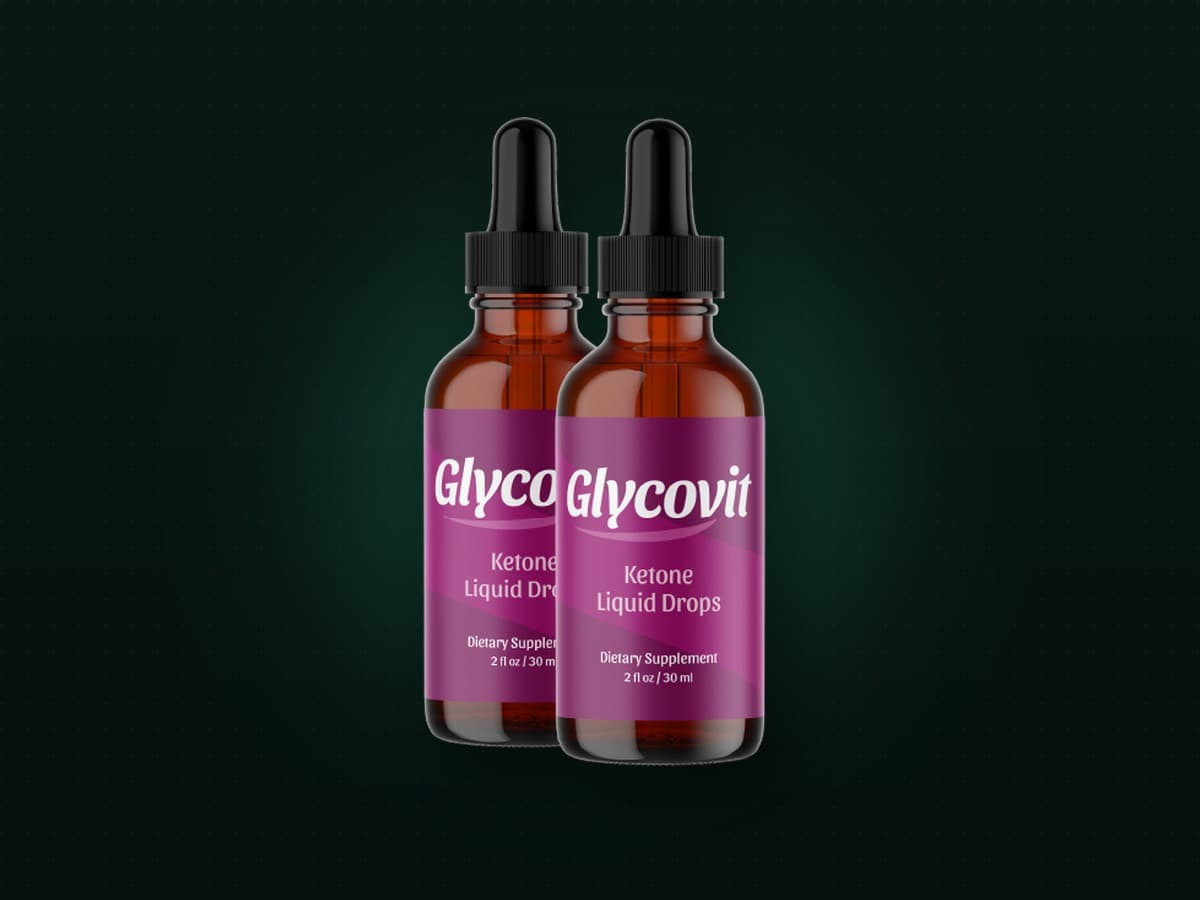
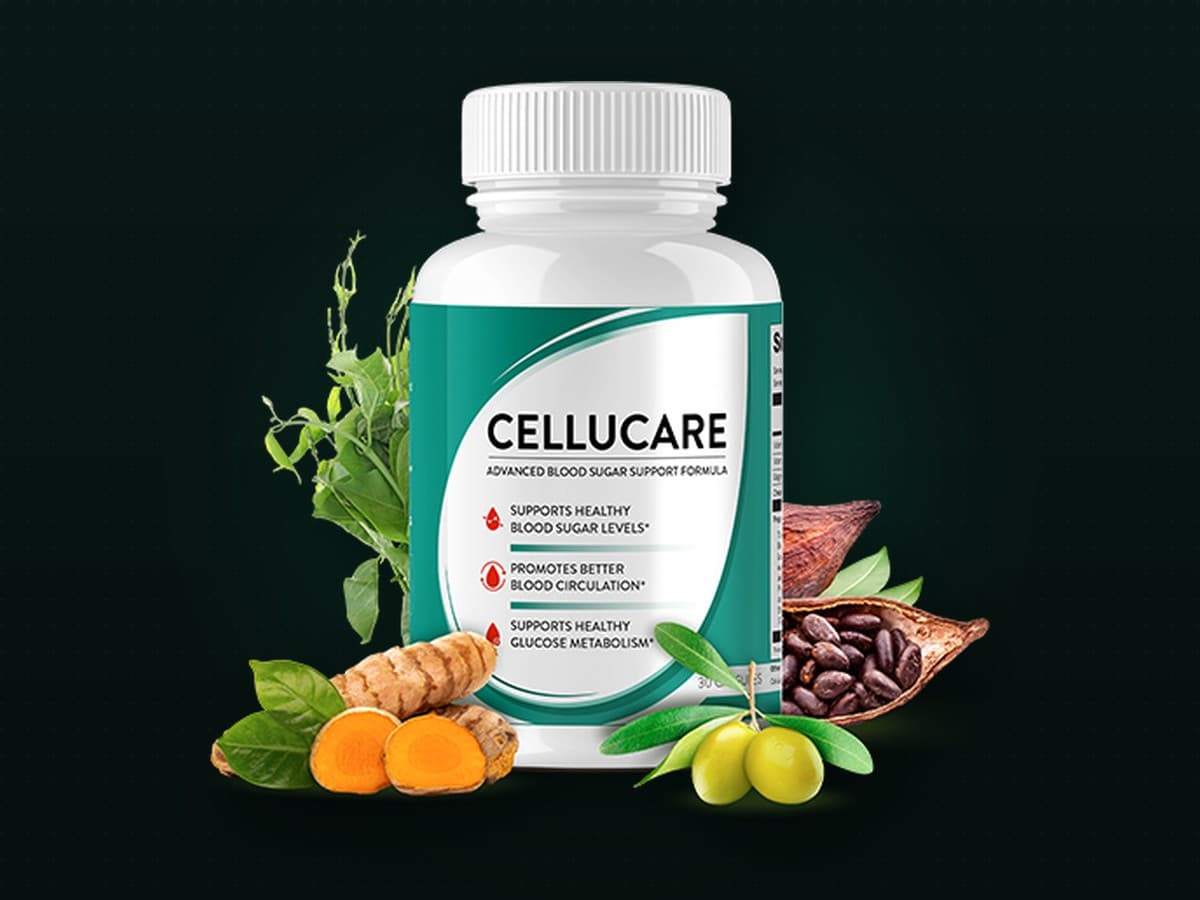
Thinking about a product? Read our honest, evidence-based breakdown before you buy.


VitaGlobe Editorial Team
Independent research desk — evidence reviewed against peer-reviewed sources
The VitaGlobe editorial team researches supplements against published, peer-reviewed evidence. We use indicative language, cite real findings, and flag where evidence is weak. This is general information, not medical advice.