
Berberine: What the Science Actually Says (Benefits, Dosage & Side Effects)

VitaGlobe Editorial Team
Independent research desk — evidence reviewed against peer-reviewed sources
They’re Calling It “Nature’s Ozempic.” Here’s the Truth.
If berberine reached you through a video calling it “nature’s Ozempic,” let us clear that up gently: it is not Ozempic, and it is not close. But here is what makes berberine worth your attention anyway — unlike most trendy supplements, it actually has real research behind it. So it is worth understanding honestly: both what it can genuinely do, and what it can quietly do to you if you are not careful.
What berberine is
Berberine is a compound extracted from several plants (like barberry and goldenseal) that has been used in traditional medicine for centuries. Modern interest centers on its effects on metabolism — it appears to activate an enzyme (AMPK) often described as a “metabolic master switch.”
What the evidence genuinely supports
Blood sugar — the strongest area. Multiple trials show berberine can meaningfully improve fasting blood sugar and long-term markers (HbA1c) in people with type 2 diabetes or metabolic issues. This is its most solid benefit.
Cholesterol and triglycerides. Reasonable evidence for modest improvements in lipid markers.
Weight and waist — modest. Some trials show small reductions in weight and waist size, usually alongside the blood-sugar effect. Real, but nowhere near medication-level.
In short: berberine is a legitimate metabolic supplement, strongest for blood sugar, modest for weight.
How much people take
In studies, the common dose is around 500 mg, two to three times a day (roughly 1,000–1,500 mg total), taken with meals. It is split through the day because it clears quickly and because taking it all at once worsens stomach upset. Berberine is also poorly absorbed; some products use dihydroberberine and claim better absorption.
The side effects and interactions to respect
This is the part the hype skips:
Where berberine fits — and how to judge a product
Berberine is a reasonable supplement for the right person, but the product matters: look for disclosed doses (many blends hide how much berberine they actually contain). Several metabolism formulas include it.
For the bigger picture, see our guides on lowering blood sugar naturally and natural alternatives to Ozempic.
Bottom line
Berberine is one of the few trendy supplements with real metabolic research — strongest for blood sugar, modest for weight. But it commonly upsets the stomach, can drive blood sugar too low with medication, and interacts with many drugs. Use a product that discloses its dose, start low, and clear it with a doctor first if you take anything. This is general information, not medical advice.
Frequently Asked Questions
Is berberine really like Ozempic?
No. Berberine has genuine research for blood sugar and modest weight effects, but it is far weaker than GLP-1 medication. The nickname nature’s Ozempic is marketing, not an accurate comparison.
What is the usual berberine dosage?
Studies commonly use around 500 mg two to three times daily (about 1,000–1,500 mg total) with meals, split through the day to reduce stomach upset. Start low and check with a doctor, especially if you take medication.
What are berberine’s side effects?
Most commonly digestive upset (cramps, diarrhea or constipation). More importantly, it can lower blood sugar dangerously when combined with diabetes medication, interacts with many drugs, and is not for pregnancy or nursing.
Supplements we've reviewed on this topic
Thinking about a product? Read our honest, evidence-based breakdown before you buy.
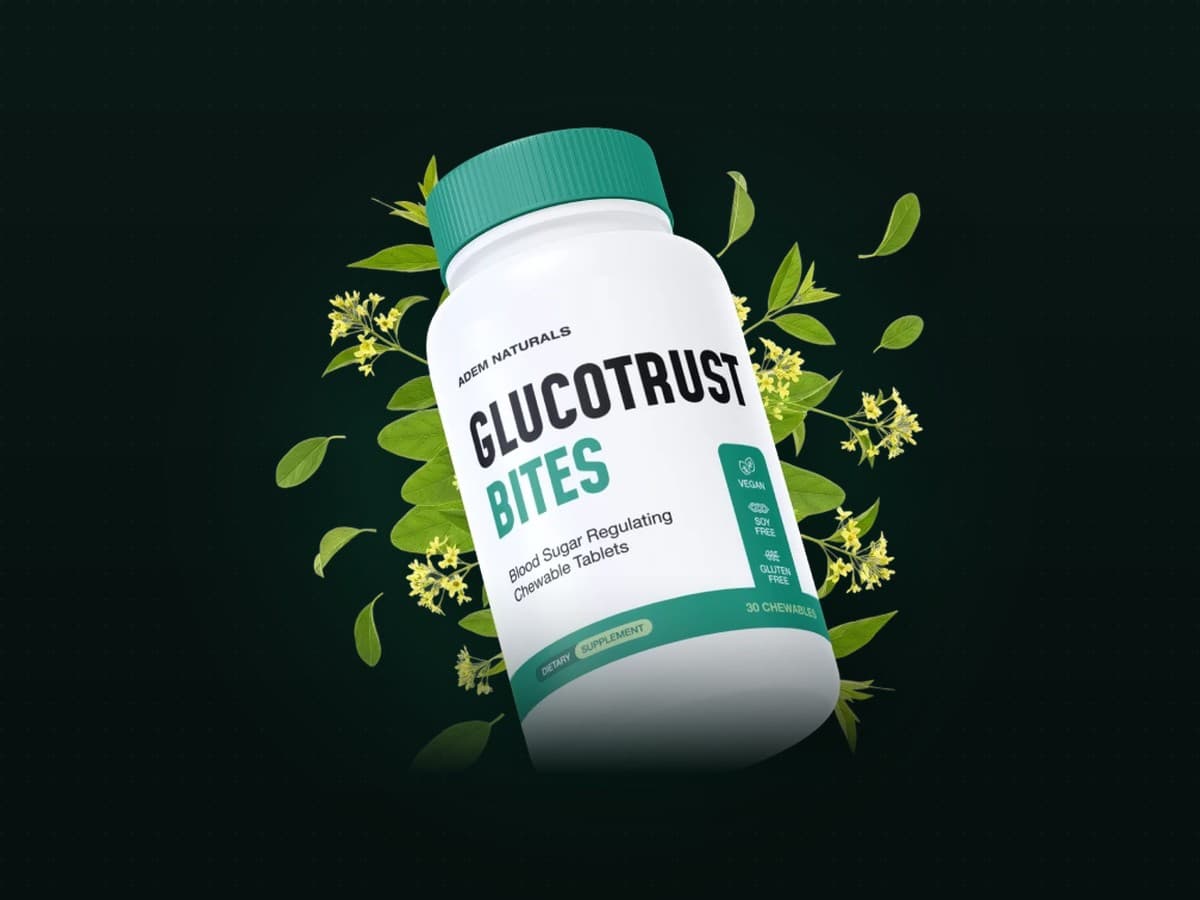
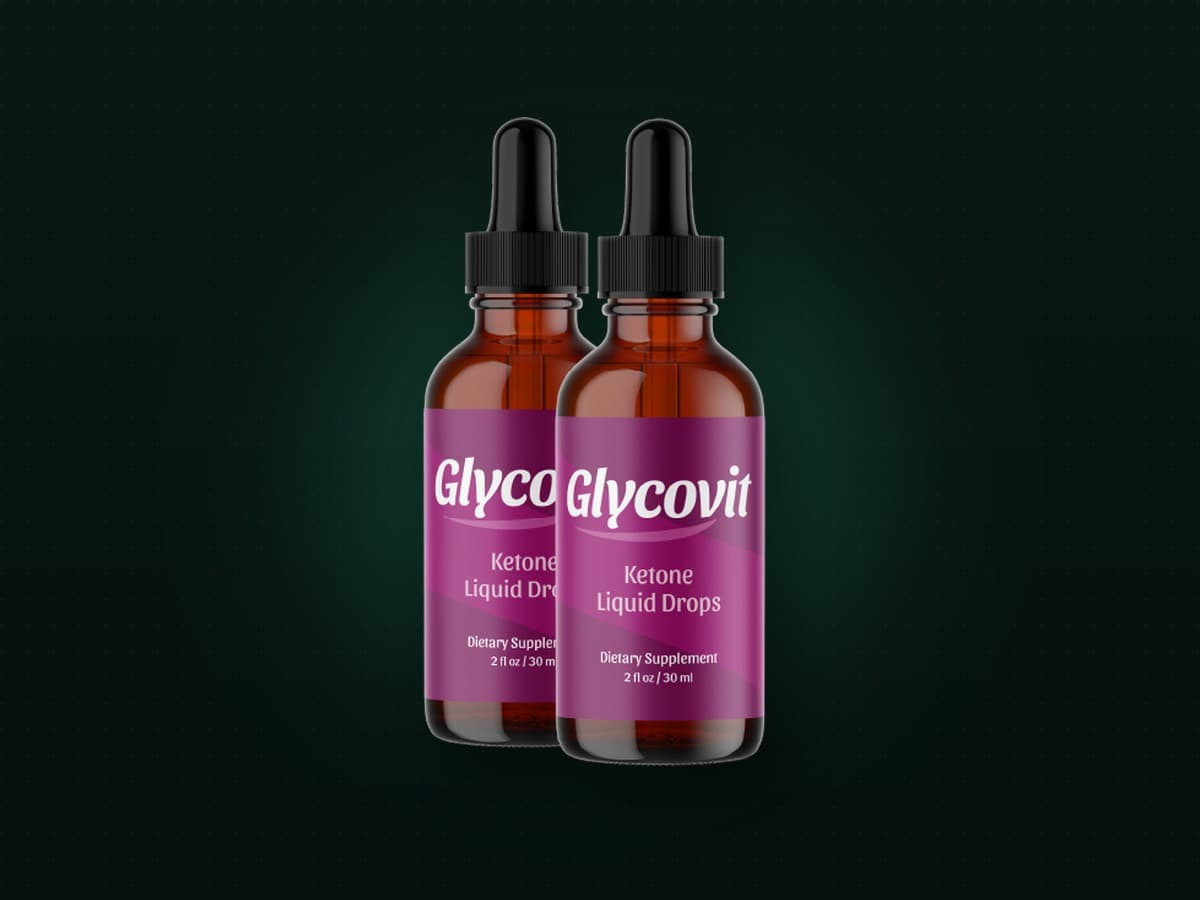
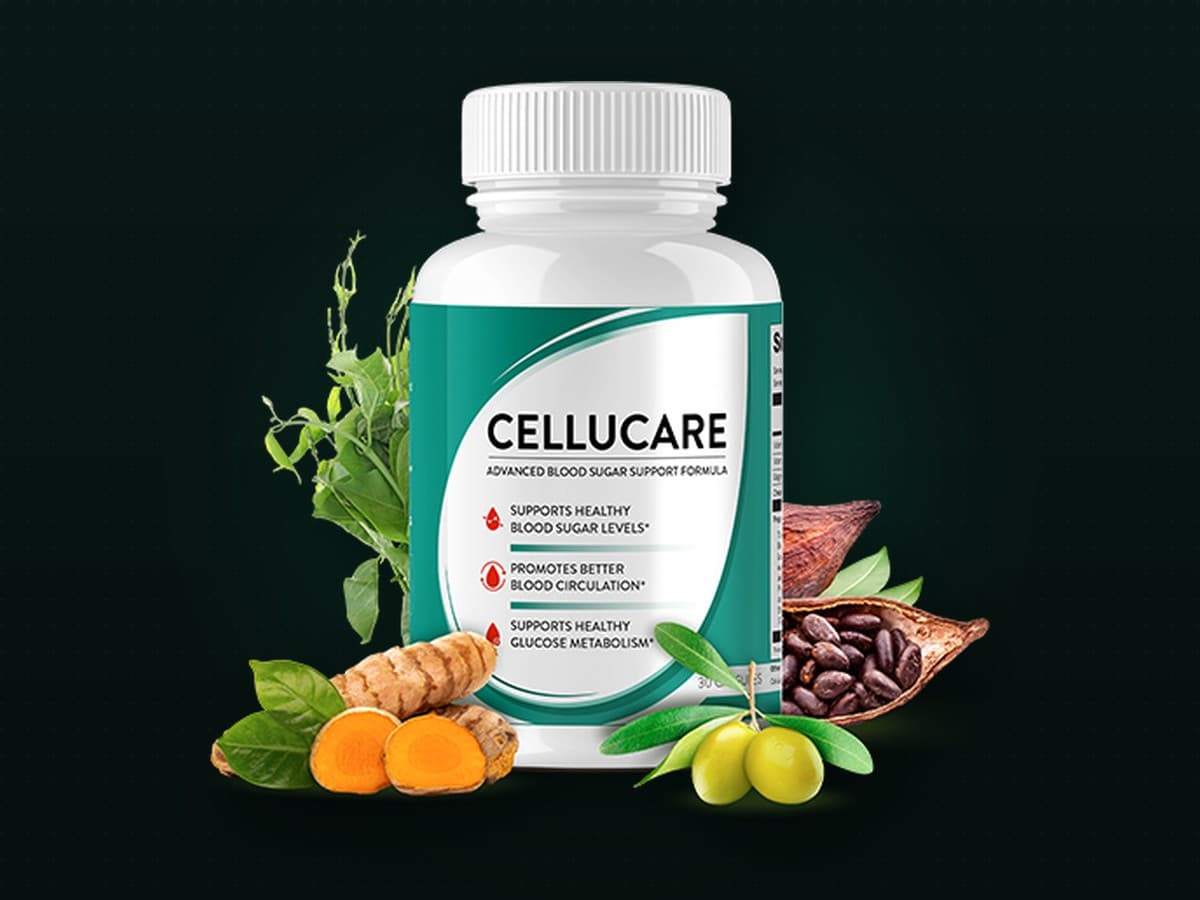

VitaGlobe Editorial Team
Independent research desk — evidence reviewed against peer-reviewed sources
The VitaGlobe editorial team researches supplements against published, peer-reviewed evidence. We use indicative language, cite real findings, and flag where evidence is weak. This is general information, not medical advice.