Blood Sugar Gummies vs Capsules vs Drops: Does the Format Actually Change Anything?

VitaGlobe Editorial Team
Independent research desk — evidence reviewed against peer-reviewed sources
Gummy, capsule, or drops — does it actually matter?
There you are, looking at the same blood-sugar “support” ingredient sold four different ways: a tasty gummy, a plain capsule, a fancy sublingual drop, a “detox” tea — each insisting it is the better one (“faster absorption!”, “sublingual technology!”). So which do you actually buy? Here is the honest answer most brands won’t give you: format is not just marketing, but it matters for one unglamorous reason — it changes how much active ingredient you can fit in a dose. And dose is what decides whether the thing does anything at all. Let’s compare them straight.
Capsules: the workhorse
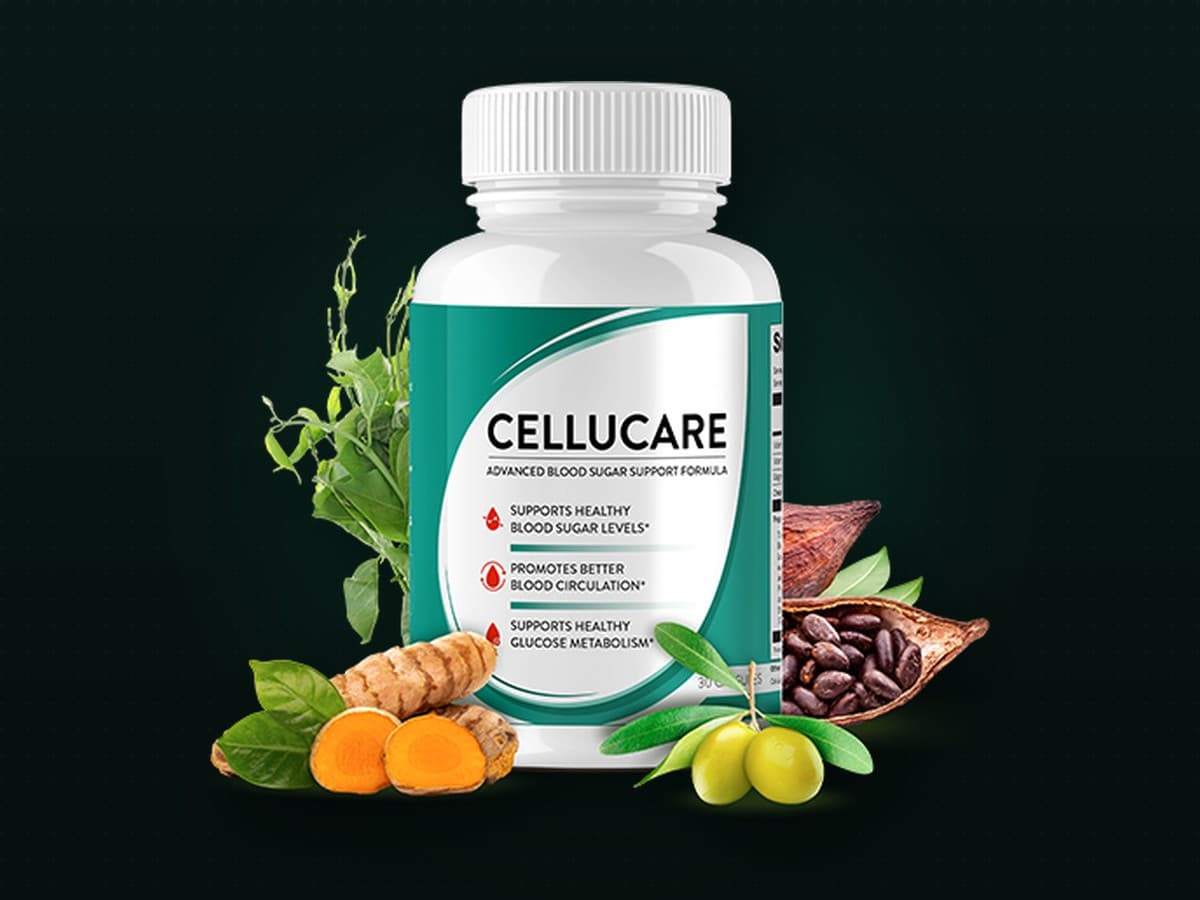
Capsules can hold the most active ingredient per serving, which is why most studied doses come in capsule form. The trade-off is simply that some people dislike swallowing them. For blood sugar, capsules are usually the format most able to reach research-level doses — assuming the label discloses those doses, which many proprietary blends do not. Our guide to reading a supplement label shows how to check.
Gummies and chewables: convenience, at a cost
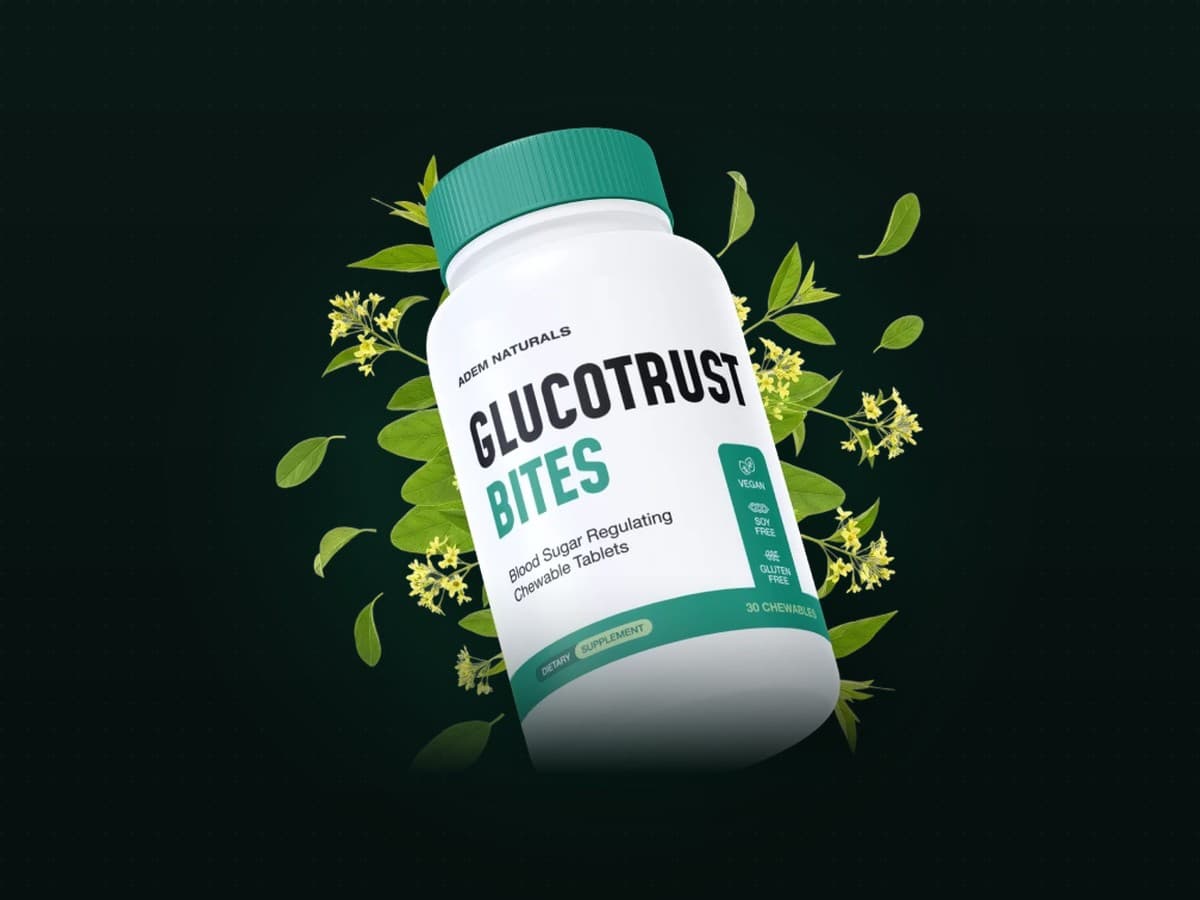
Gummies are pleasant and easy to take consistently — a real advantage, since the best supplement is the one you actually take. But there is an honest catch: gummies have limited room once you account for the gelling agents, sweeteners and coating, so they often carry smaller doses of active ingredients than capsules. They can also contain added sugar, which is counterproductive for a blood-sugar product (check the label). This trade-off is exactly what to weigh when judging any such product.
Liquid drops and sublingual: promising claims, mixed reality
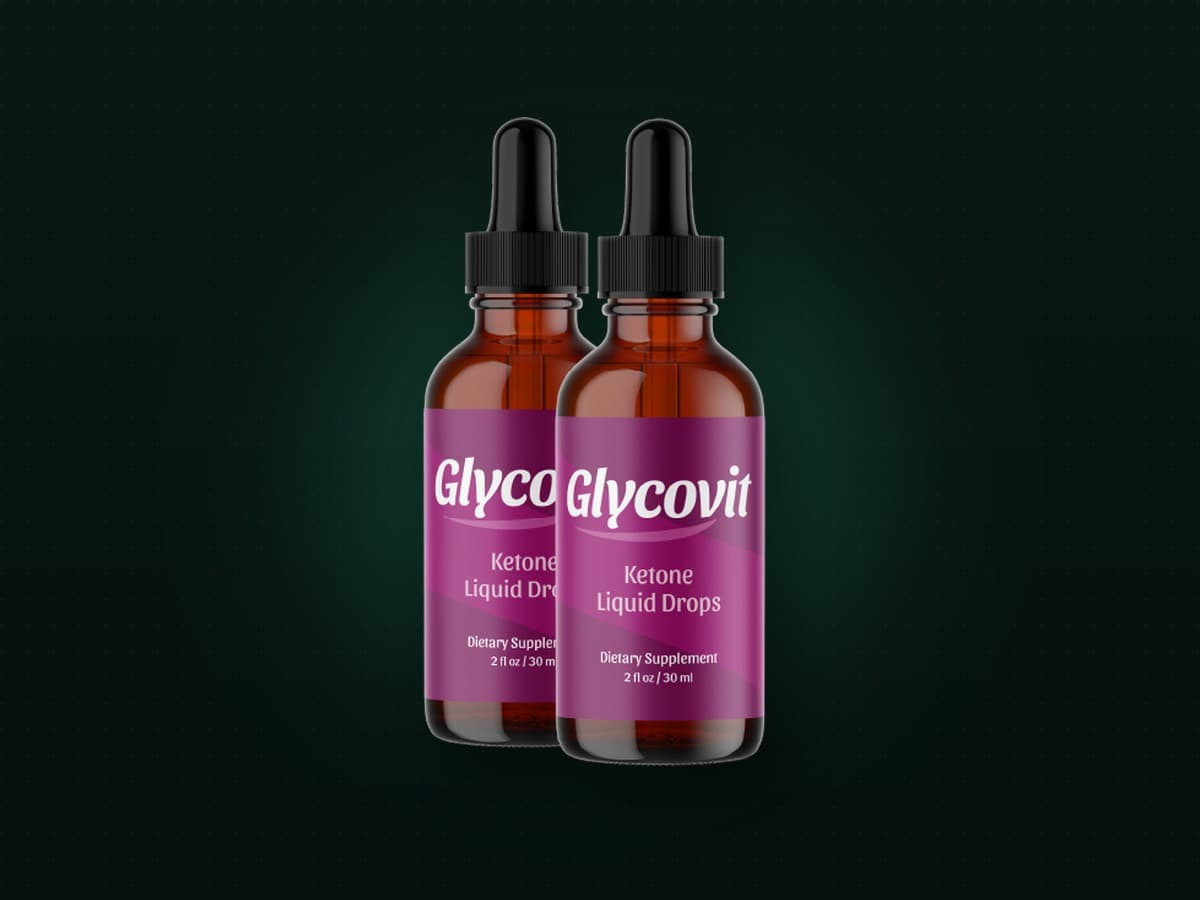
Liquid drops are marketed on “faster” or “sublingual” absorption. For a few specific nutrients that can matter, but for most botanical blood-sugar ingredients the evidence for a meaningful absorption advantage is thin. Drops also often use large proprietary blends, hiding individual doses — and some add stimulants like guarana. These are exactly the points to check on any such product.
Teas: gentle, ritual-friendly, usually light
A blood-sugar tea (think Gymnema, bitter melon, cinnamon) can be a pleasant daily ritual and a good replacement for sugary drinks. But brewing a big multi-herb blend usually means small amounts of each, so effects are gentle. Read the label critically on any such product.
The rule that cuts through all of it
Format is secondary. What actually matters is the same three questions for any blood-sugar supplement, in any format:
1. Is the dose disclosed? Proprietary blends hide it. Favor transparency.
2. Is the dose in the range studied? A tiny amount of a good ingredient still does little.
3. Does it add anything counterproductive — sugar (gummies), stimulants (some drops)?
And underneath all of it: no supplement, in any format, replaces a healthy diet or diabetes medication. See do supplements really help blood sugar and how to lower blood sugar naturally.
Bottom line
Gummies, capsules, drops and teas are not magic delivery systems — they are mostly a trade-off between convenience and how much active ingredient you can carry. Capsules tend to reach studied doses best; gummies and teas are pleasant but often lighter; drops lean on absorption claims that are usually oversold. Judge any blood-sugar product by its disclosed dose, not its format, and never let it replace real dietary change or medical care. This is general information, not medical advice.
Frequently Asked Questions
Are blood sugar gummies as effective as capsules?
Often not. Gummies are convenient and easy to take consistently, but they have limited room once you account for gelling agents and sweeteners, so they usually carry smaller doses than capsules — and some add sugar. Judge by the disclosed dose, not the format.
Do liquid or sublingual blood sugar drops absorb better?
For most botanical blood-sugar ingredients, the evidence for a meaningful absorption advantage from drops is thin. Drops also often use proprietary blends that hide doses, and some add stimulants like guarana. The absorption claims are usually oversold.
Which format is best for a blood sugar supplement?
There is no magic format. Capsules usually reach studied doses best; gummies and teas are pleasant but often lighter; drops lean on absorption claims. What matters most is a disclosed, research-level dose with nothing counterproductive added — and it never replaces diet or medication.
Supplements we've reviewed on this topic
Thinking about a product? Read our honest, evidence-based breakdown before you buy.

VitaGlobe Editorial Team
Independent research desk — evidence reviewed against peer-reviewed sources
The VitaGlobe editorial team researches supplements against published, peer-reviewed evidence. We use indicative language, cite real findings, and flag where evidence is weak. This is general information, not medical advice.