Creatine: Not Just for Muscle — The Evidence for Strength, Brain and Aging

VitaGlobe Editorial Team
Independent research desk — evidence reviewed against peer-reviewed sources
The most-studied supplement in the world — and the most misunderstood
Here’s a strange fact: the one supplement with genuinely mountainous scientific backing is also the one people are most afraid of. Mention creatine at the gym and someone will warn you it’s “basically a steroid,” that it’ll “wreck your kidneys,” or that it’s “just water weight.” None of that survives a look at the actual research. Creatine has hundreds of human studies behind it, an excellent safety record, and — refreshingly — it actually does what it claims. Let’s clear the air, honestly.
What creatine actually is
Creatine is a natural compound your body already makes and stores in muscle (and the brain), and you get it from meat and fish. It helps regenerate ATP — your cells’ rapid energy currency — during short, intense efforts. Supplementing simply tops up your stores.
What the evidence genuinely supports
The dose that works (it is simple)
The myths, honestly debunked
Honest cautions
Bottom line
Creatine monohydrate is one of the safest, best-supported supplements there is: 3–5 g a day genuinely supports strength, muscle (especially with training and as you age), and possibly brain function under stress. The old fears about kidneys and “steroids” are myths for healthy people. This is general information, not medical advice — check with a doctor if you have kidney issues.
Frequently Asked Questions
What does creatine actually do?
Creatine helps regenerate ATP (rapid cellular energy) during short, intense efforts. It reliably improves strength and power, supports muscle gains with training (valuable especially as you age), and shows early promise for brain function under stress like sleep deprivation.
How much creatine should I take, and do I need to load?
3–5 grams a day of creatine monohydrate is all you need. A loading phase is optional — it only fills your stores faster; skipping it just means full stores in a few weeks instead of about one. Monohydrate is the gold standard and the best value.
Is creatine safe for your kidneys?
In healthy people, large reviews find no evidence that normal creatine doses harm the kidneys, and it is not a steroid. If you have existing kidney disease, check with a doctor first. Staying hydrated and taking it with food avoids the occasional stomach upset.
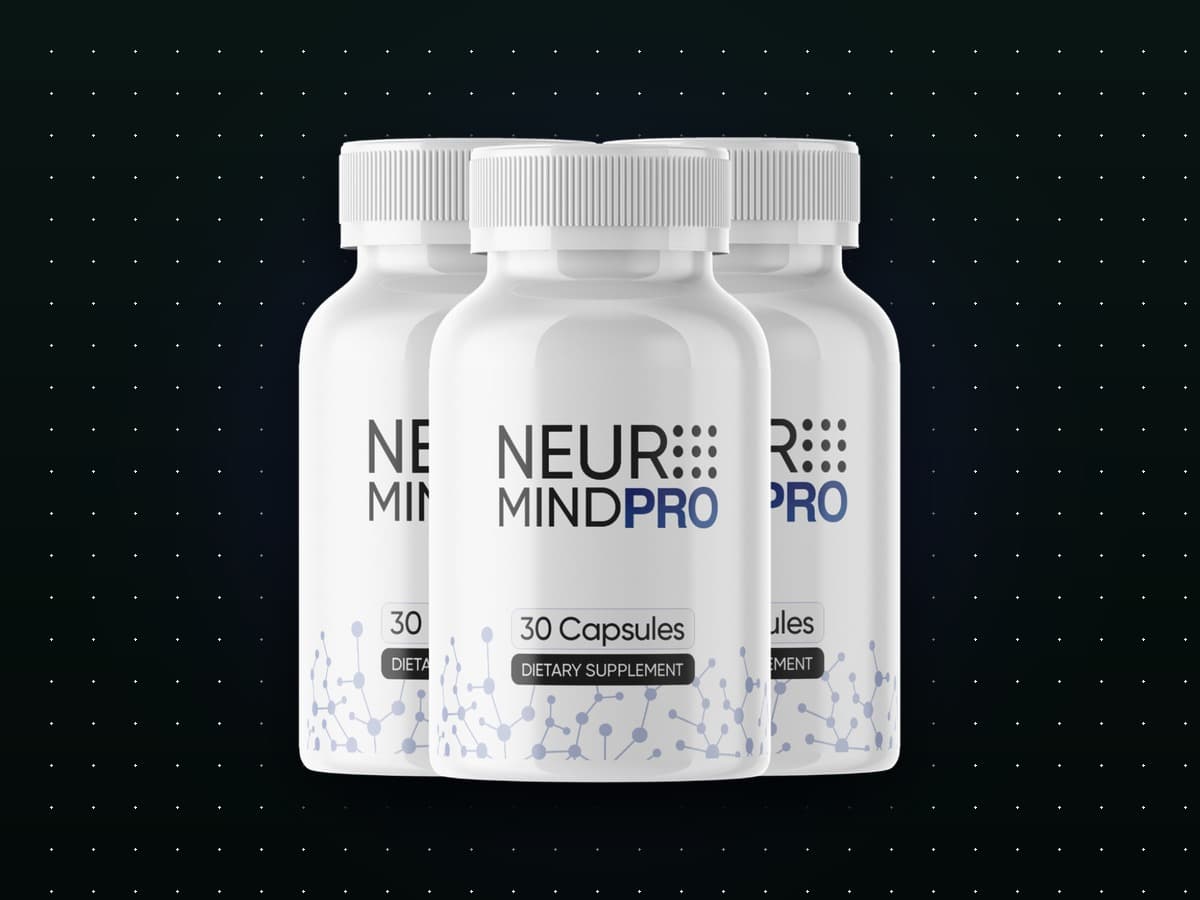
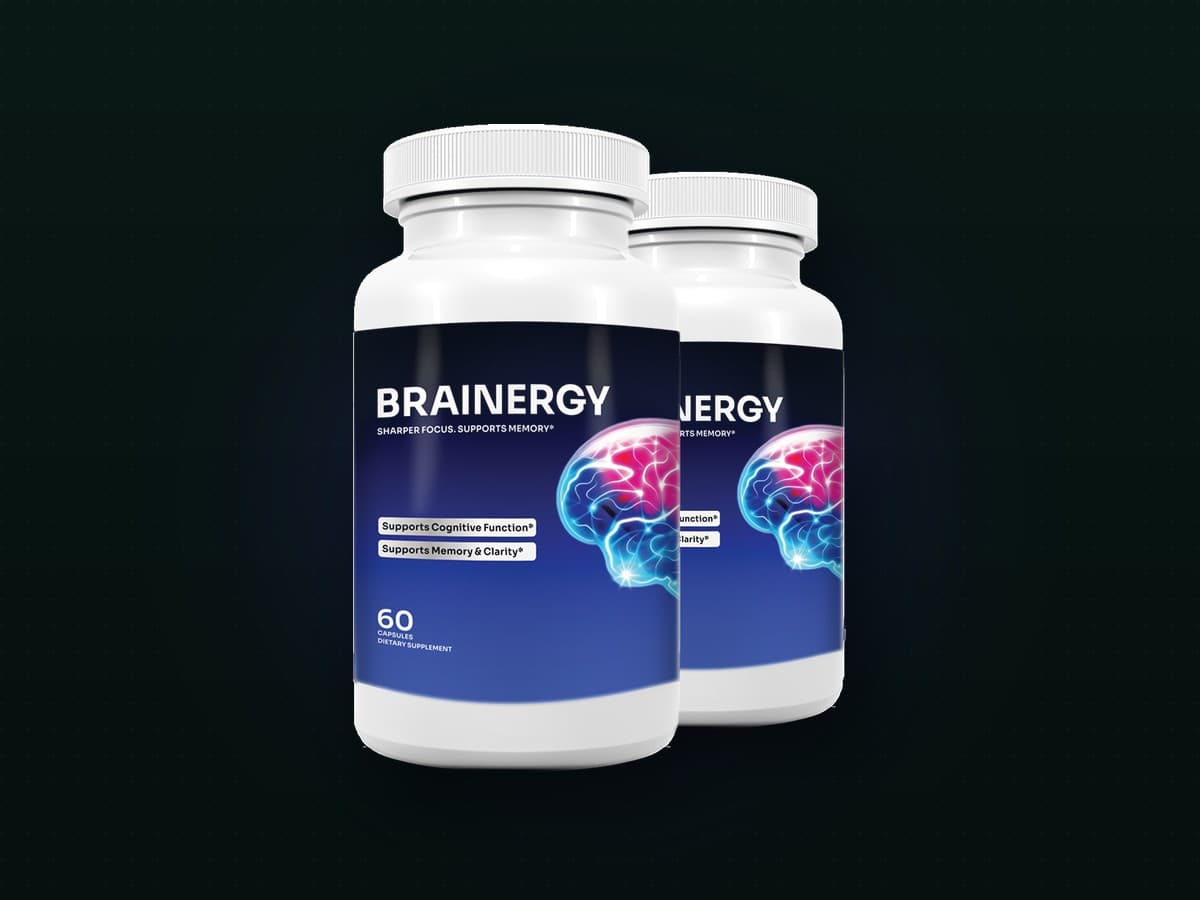
Supplements we've reviewed on this topic
Thinking about a product? Read our honest, evidence-based breakdown before you buy.


VitaGlobe Editorial Team
Independent research desk — evidence reviewed against peer-reviewed sources
The VitaGlobe editorial team researches supplements against published, peer-reviewed evidence. We use indicative language, cite real findings, and flag where evidence is weak. This is general information, not medical advice.