Natural Alternatives to Ozempic: What the Science Honestly Says

VitaGlobe Editorial Team
Independent research desk — evidence reviewed against peer-reviewed sources
You Typed “Natural Alternative to Ozempic.” Let’s Be Honest.
A couple of years ago, almost no one outside a doctor’s office had heard of GLP-1. Now Ozempic and its cousins are in every conversation — along with the price tag, the shortages, and the needle. So it is completely understandable that you searched for a “natural alternative.” You deserve the real answer here, not a hype reel — so let us talk honestly about what actually comes close, what doesn’t, and why.
First, the honest part nobody wants to say
Here is the truth up front: no supplement, food, or tea matches what semaglutide (Ozempic) does. These medications powerfully mimic a gut hormone (GLP-1) that slows digestion, calms appetite, and steadies blood sugar — and they do it at a strength no pill on a shelf can replicate. Anyone selling you an “Ozempic in a bottle” is selling a story.
So if a true medical-grade effect is what you need, that is a conversation with a doctor, not a supplement aisle.
But — and this is the useful part — your body already makes its own GLP-1 and its own satiety signals. There is a lot you can do to support them naturally. None of it is magic; together, it genuinely moves the needle.
What actually supports your body’s own appetite control
Fiber — especially the viscous kind. This is the closest thing to a “natural GLP-1 lever.” Soluble, viscous fibers (from oats, beans, chia, psyllium, vegetables) slow stomach emptying, blunt blood-sugar spikes, and genuinely increase fullness. Most people eat half the fiber they should — fixing that alone changes appetite.
Protein at every meal. Protein is the most satiating macronutrient and helps protect muscle while you lose fat. A protein-forward breakfast in particular tends to reduce cravings later in the day.
Berberine — the “nature’s Ozempic” you’ve seen on TikTok. Let us be honest: berberine is not Ozempic. But it does have real research for blood-sugar and metabolic markers, and some trials show modest weight and waist reductions. The catches: effective doses are fairly high and split through the day, it commonly causes digestive upset, and it can interact with medications. Useful, modest, not miraculous.
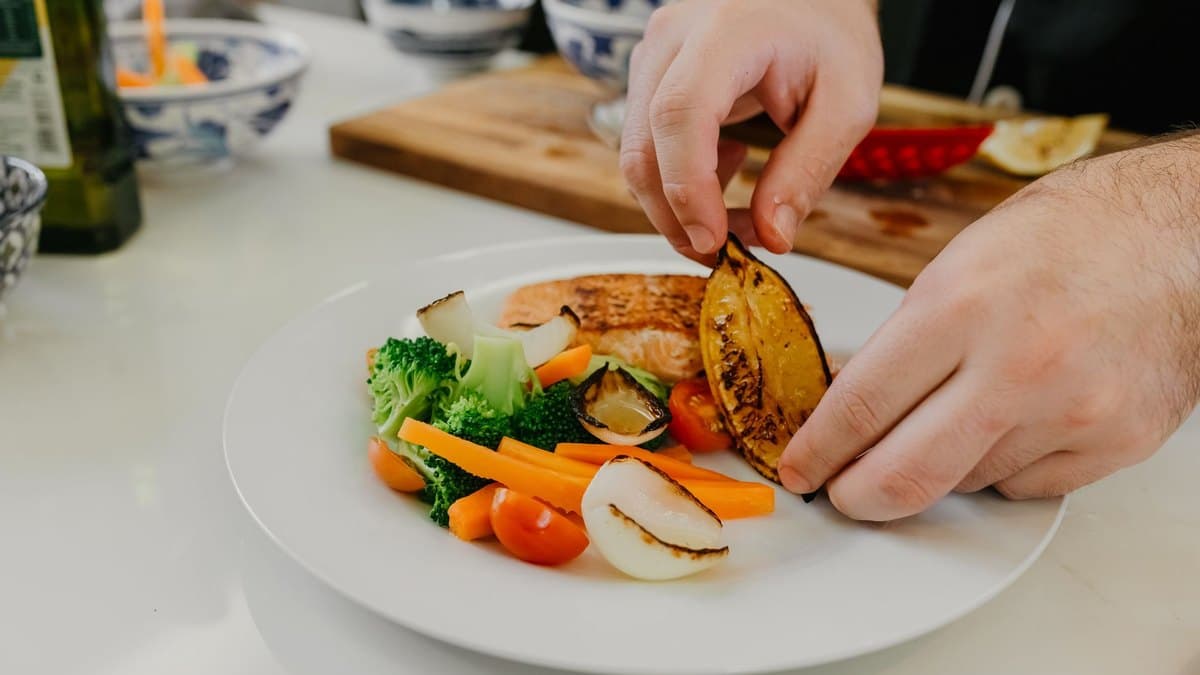
Whole foods over ultra-processed. Ultra-processed foods are engineered to override fullness. Simply shifting most of your plate to foods that look like they came from nature reduces how much you eat without counting a thing.
Sleep, stress, and walking. Poor sleep and chronic stress raise appetite and cravings through real hormonal pathways. A short walk after meals measurably lowers blood-sugar spikes. These are free, and they compound.
Where a supplement honestly fits
A supplement is a small accelerator on top of the food and habits above — never a replacement. If you want to see how the popular metabolism products actually stack up against their ingredient lists (and where they overpromise).
A warning about “Ozempic dupe” products
The GLP-1 boom has spawned a flood of products promising drug-like results. Be skeptical of any that imply they equal a prescription, hide their doses, or lean on dramatic before-and-after claims. A supplement can support your metabolism honestly; it cannot legally or realistically replace a medication.
When to talk to a doctor
If you are dealing with obesity, type 2 diabetes, or a metabolism that has not responded to honest effort, the GLP-1 medications exist for a reason — and a doctor can tell you whether they fit your health, safely. That is not failure; it is using the right tool. Also check with a doctor before starting berberine if you take any medication, especially for blood sugar or blood pressure.
Bottom line
There is no natural Ozempic — but there is a natural toolkit: more fiber, more protein, whole foods, better sleep, post-meal walks, and (modestly) berberine. Used together, they genuinely support your body’s own appetite and blood-sugar control. Treat supplements as helpers, be wary of “dupes,” and see a doctor for medical-grade needs. This is general information, not medical advice.
Frequently Asked Questions
Is there a natural alternative to Ozempic that really works?
No supplement matches semaglutide. But fiber (especially viscous fiber), protein, whole foods, sleep, post-meal walks and modestly berberine genuinely support your body’s own GLP-1 and appetite control. They help — they just are not a drug-strength replacement.
Is berberine really nature’s Ozempic?
It is a catchy nickname, not an accurate one. Berberine has real research for blood sugar and modest weight effects, but it is far weaker than GLP-1 medication, needs fairly high split doses, often causes digestive upset, and can interact with medications. Check with a doctor first.
What is the single most effective natural step?
For most people, dramatically increasing viscous fiber and protein has the biggest effect on appetite and blood-sugar spikes — it is the closest natural lever to how GLP-1 works, and most people fall far short on both.
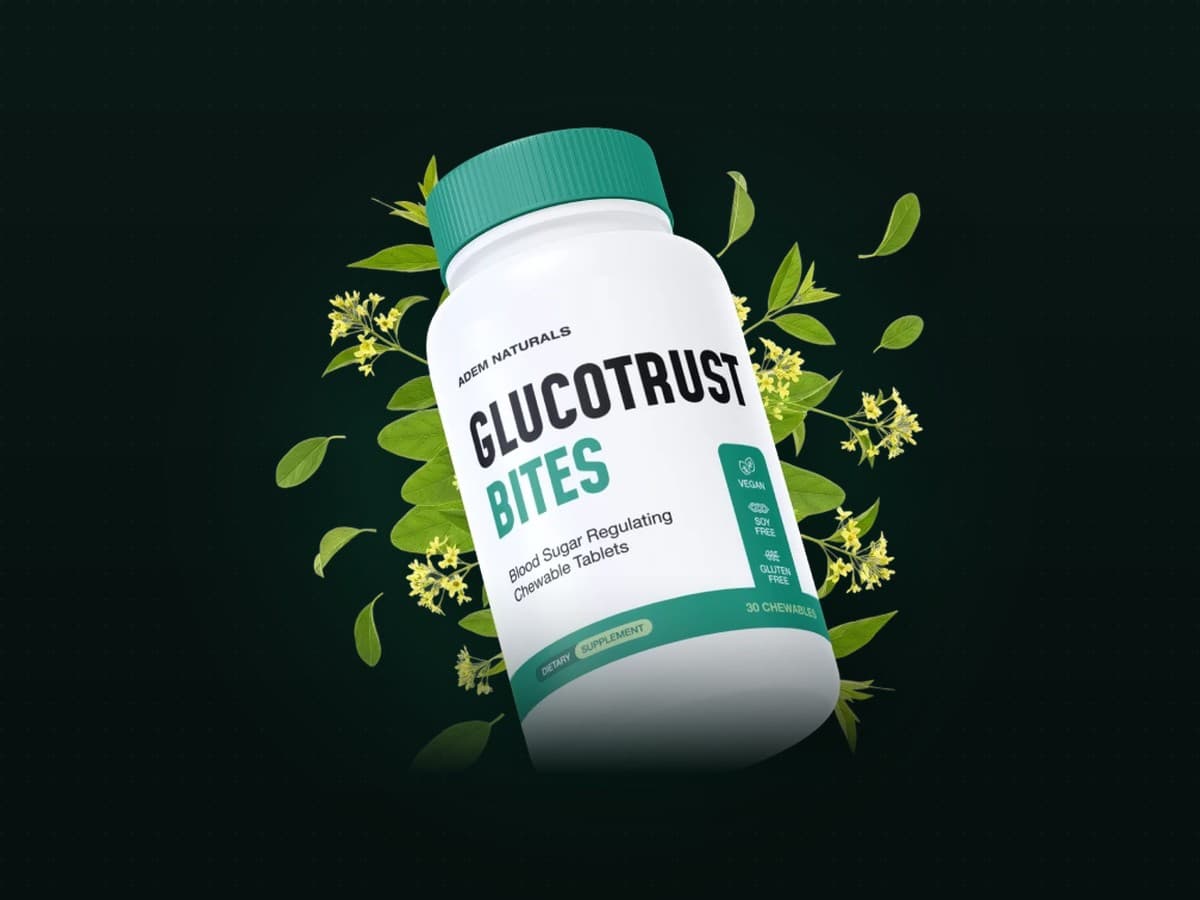
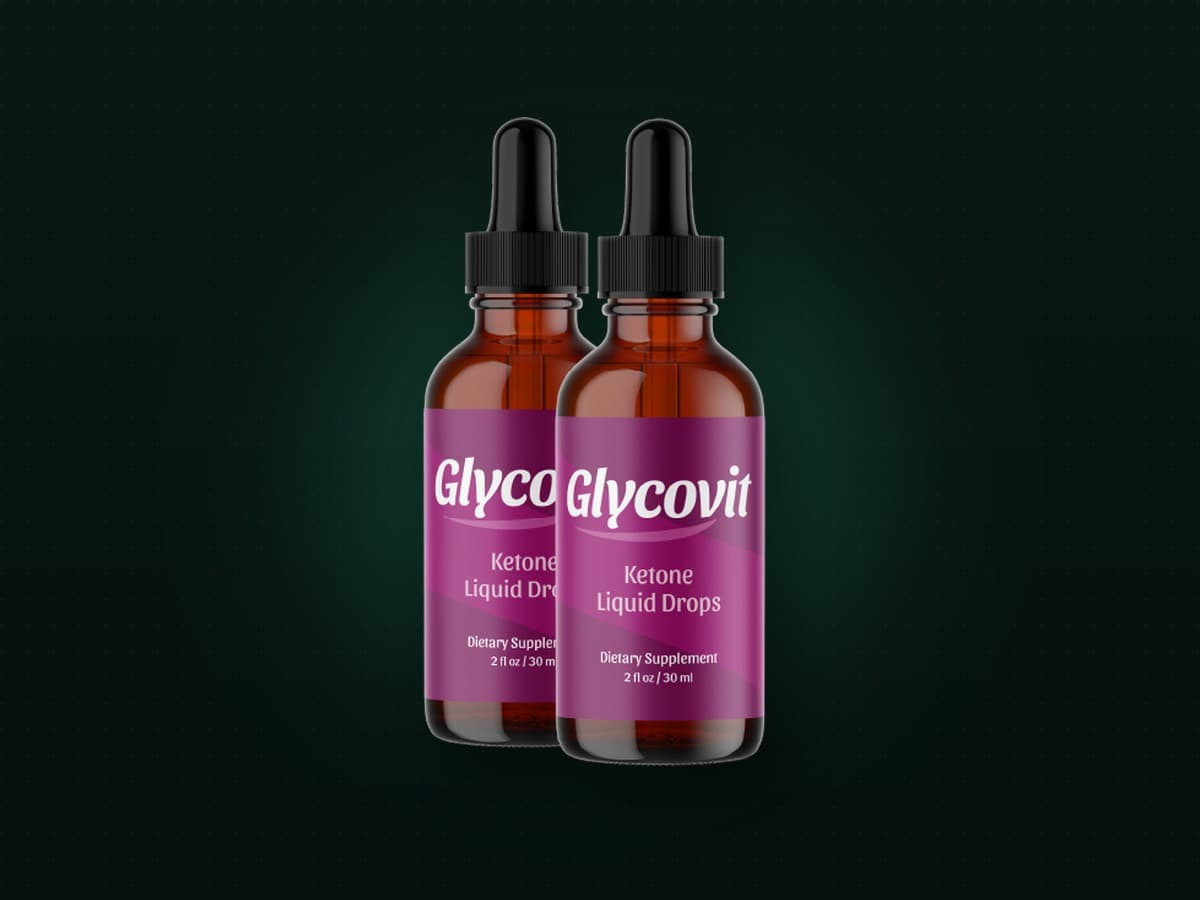
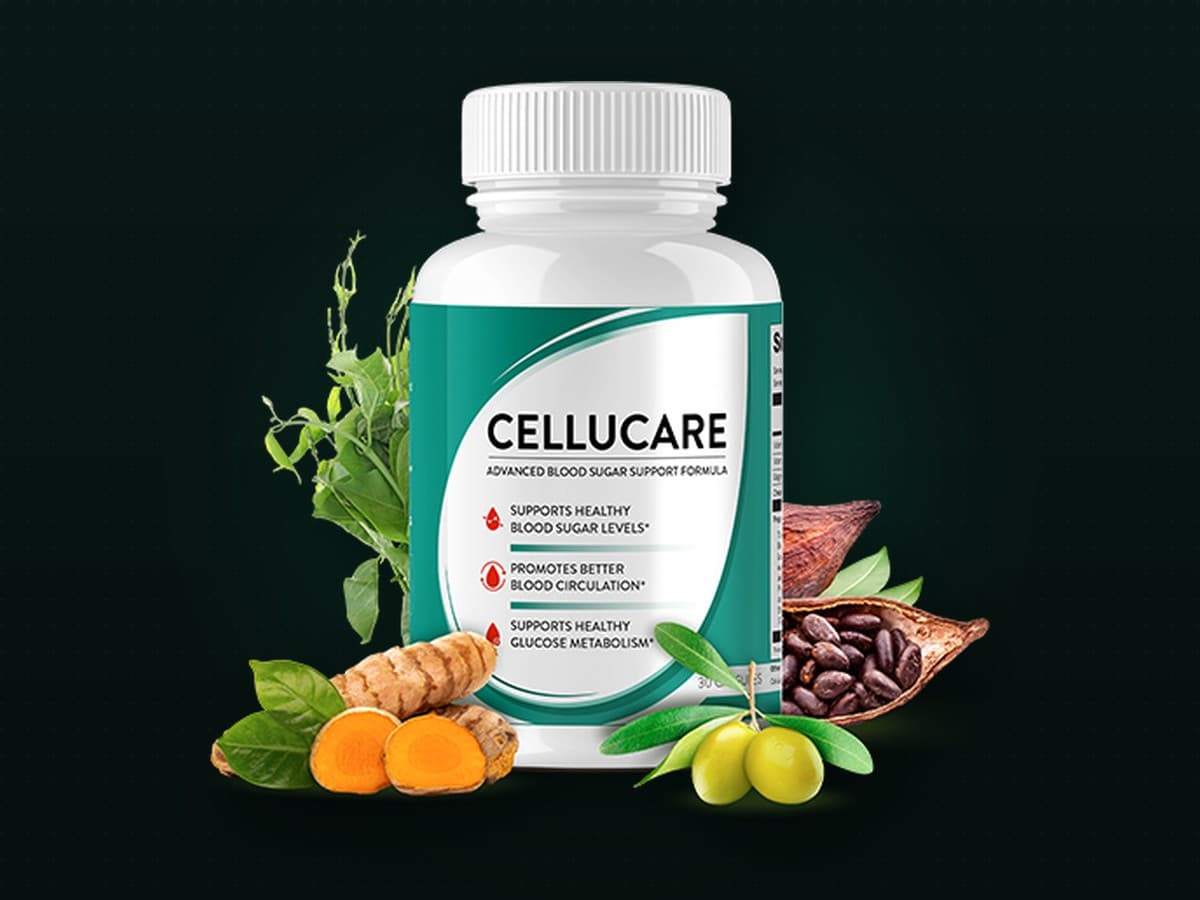
Supplements we've reviewed on this topic
Thinking about a product? Read our honest, evidence-based breakdown before you buy.

VitaGlobe Editorial Team
Independent research desk — evidence reviewed against peer-reviewed sources
The VitaGlobe editorial team researches supplements against published, peer-reviewed evidence. We use indicative language, cite real findings, and flag where evidence is weak. This is general information, not medical advice.
Related Articles

Berberine: What the Science Actually Says (Benefits, Dosage & Side Effects)
10 min read

Serotonin, Cravings and 5-HTP: Can You Curb Appetite Naturally? (Honest Guide + Safety)
10 min read

Do Fat Burners Actually Work? An Honest Look at the Science
10 min read