Do Fat Burners Actually Work? An Honest Look at the Science

VitaGlobe Editorial Team
Independent research desk — evidence reviewed against peer-reviewed sources
“Burn Fat 24/7” — So Why Isn’t It Working?
You’ve seen the ads: “Burn fat 24/7.” “Melt stubborn belly fat while you sleep.” Dramatic before-and-afters, an irresistible promise. And yet the fat-burner aisle keeps getting bigger while waistlines don’t. So do fat burners actually work? The honest answer: a little, sometimes — and far less than the label implies. Let us look at what is really going on, without the hype or the cynicism.
What is actually in a “fat burner”
Most thermogenic blends are built from a handful of recurring ingredients:
What the science honestly supports
Each of those ingredients can produce a small, short-term increase in calories burned or a slight dip in appetite. The problem is scale: these effects are minor, your body adapts (especially to caffeine), and they are easily erased by a single extra snack. So a fat burner might give you a small nudge — it does not melt fat on its own, and no study shows it replacing diet and exercise.
The part that actually matters
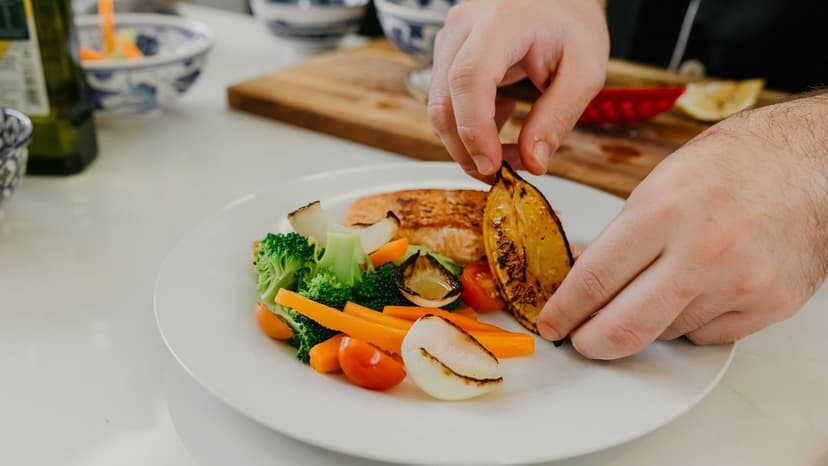
Fat loss comes down to a sustained calorie deficit, enough protein, sleep, and movement. A fat burner layered on top of those can help a little (often mostly through caffeine and appetite control). A fat burner without them does close to nothing — you cannot out-supplement a poor diet.
The safety issue worth taking seriously
Many fat burners are stimulant stacks. The combination of bitter orange (p-synephrine) plus caffeine can raise heart rate and blood pressure — so “stimulant-free” claims on products that contain it are misleading. If you have any heart or blood-pressure concern, or you are caffeine-sensitive, this category deserves real caution, and a doctor's OK.
Where they fit — and how to judge one
If you still want to try one, the smart move is to pick a product that discloses its doses and does not lean on a giant stimulant load.
For the bigger picture, see our guide to metabolism supplements, our honest take on natural alternatives to Ozempic, and our deep dive on berberine.
Bottom line
Fat burners work a little — a small, mostly caffeine-driven nudge to metabolism and appetite — and not at all as a substitute for a calorie deficit, protein, sleep and movement. Be wary of stimulant-heavy formulas, choose one that discloses its doses, and check with a doctor if you have heart or blood-pressure concerns. This is general information, not medical advice.
Frequently Asked Questions
Do fat burners really burn fat?
Only a little. Their ingredients (caffeine, green tea, capsaicin) cause small, short-term increases in calories burned or appetite control, but the effect is minor and your body adapts. They do not replace a calorie deficit, protein, sleep and movement.
Are fat burners safe?
Many are stimulant stacks. The bitter orange plus caffeine combination can raise heart rate and blood pressure, so they are risky for anyone with heart or blood-pressure issues or caffeine sensitivity. Check with a doctor first.
What actually works for fat loss?
A sustained calorie deficit, enough protein, good sleep, and regular movement do the real work. A fat burner can add a small nudge on top of those habits but does almost nothing without them.
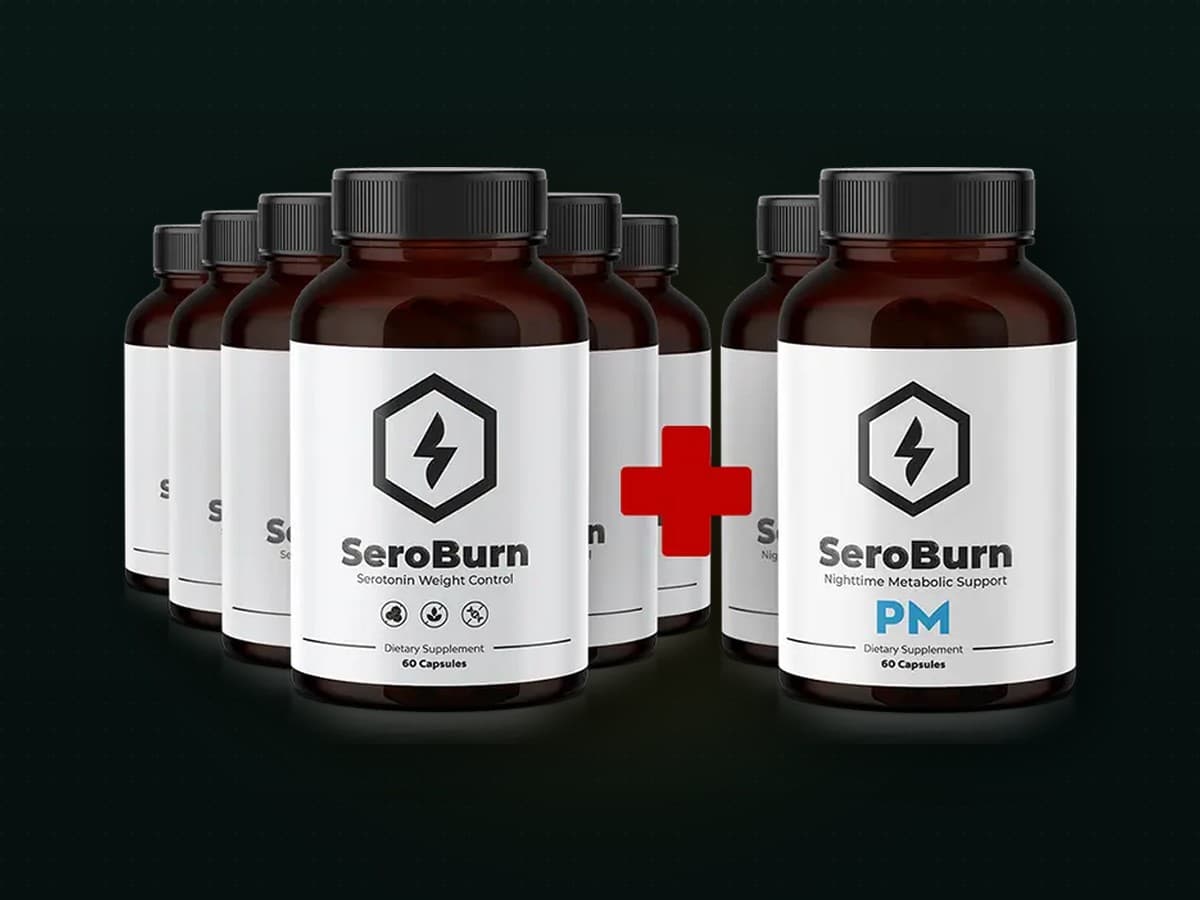
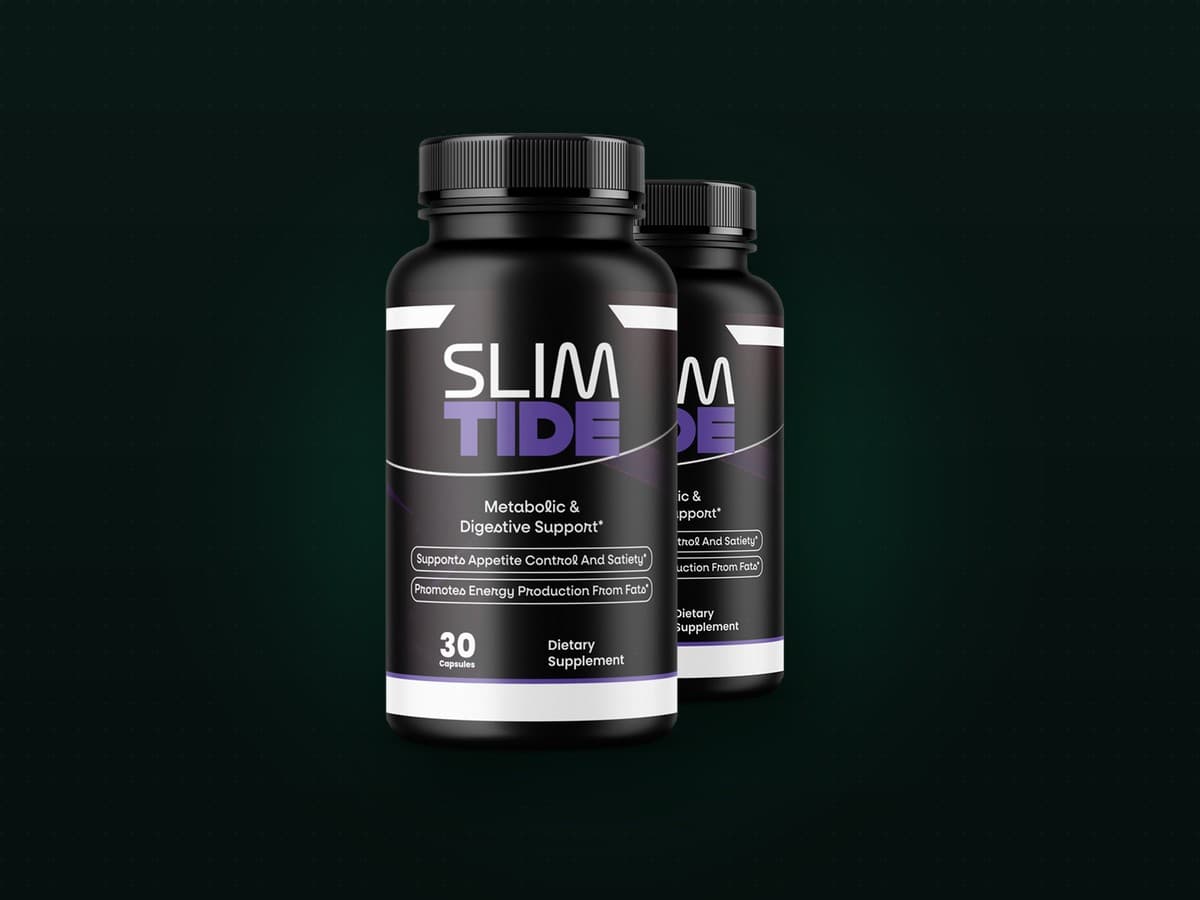
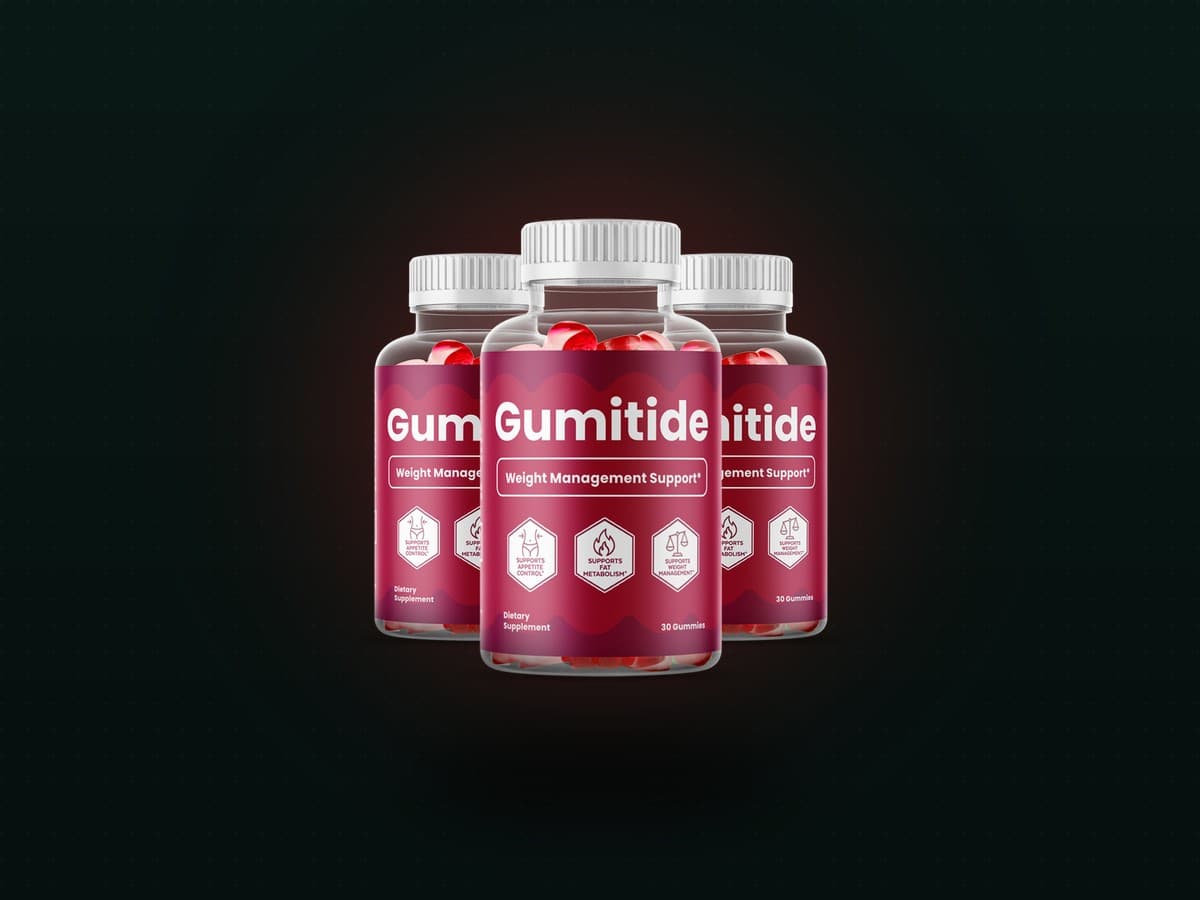
Supplements we've reviewed on this topic
Thinking about a product? Read our honest, evidence-based breakdown before you buy.

VitaGlobe Editorial Team
Independent research desk — evidence reviewed against peer-reviewed sources
The VitaGlobe editorial team researches supplements against published, peer-reviewed evidence. We use indicative language, cite real findings, and flag where evidence is weak. This is general information, not medical advice.