Natural Ways to Support Prostate Health After 50 (An Honest Guide)

VitaGlobe Editorial Team
Independent research desk — evidence reviewed against peer-reviewed sources
If you are up again at 2 a.m., read this
There is a quiet rite of passage many men hit somewhere after 50: the bathroom trips that interrupt the night, the slower start, the feeling of never quite finishing. It is incredibly common, it is rarely talked about over coffee, and it can chip away at your sleep and your mood. So let us talk about it plainly and without hype.
An enlarged prostate (BPH) is a normal part of aging for many men, not a moral failing or something to be embarrassed about. The good news is that lifestyle genuinely helps. The honest news is that the popular herbal "fixes" are weaker than the ads suggest — and some symptoms need a doctor, not a supplement.
Lifestyle changes that genuinely help
These are not glamorous, but they are the most reliable tools you have:
None of this is exciting, and all of it works better than most pills.
The herbs and nutrients — an honest scorecard
Saw palmetto. The most famous prostate herb, and the one where honesty matters most: while early studies looked promising, large, rigorous trials (such as the NIH CAMUS trial) found it no better than placebo for BPH symptoms. So the best evidence is disappointing, even though it remains popular.
Beta-sitosterol. A plant sterol with somewhat better trial support for urinary flow and symptoms than saw palmetto — one of the more interesting ingredients in this space.
Pygeum, pumpkin seed, stinging nettle. Some small or low-quality studies hint at modest benefit, but the evidence is uncertain.
Lycopene, zinc, selenium. Best obtained from a colorful diet (cooked tomatoes are rich in lycopene). Reasonable for general health; not a proven symptom fix.
Where a supplement fits
If you are considering a prostate formula, the key is realistic expectations and an honest look at what it actually contains.
Please do not skip this part
Urinary symptoms are usually benign BPH — but not always. Blood in the urine, pain, fever, inability to urinate, or a sudden change deserve prompt medical attention. And because some prostate conditions are serious, the symptoms overlap, and screening decisions (like PSA testing) are personal, this is a conversation to have with a doctor rather than a forum or a supplement label. A bottle is not a substitute for that visit.
Bottom line
Weight, activity, smart evening fluid habits and easing off caffeine and alcohol are the most reliable ways to support prostate comfort. Among supplements, beta-sitosterol has more honest support than the famous saw palmetto. Above all, see a doctor for ongoing or alarming symptoms. This is general information, not medical advice.
Frequently Asked Questions
What is the best natural supplement for prostate health?
Beta-sitosterol has somewhat better trial evidence for urinary symptoms than the more famous saw palmetto, which large rigorous trials found no better than placebo. Lifestyle changes generally help more than any single supplement.
Does saw palmetto actually work for the prostate?
The best evidence is disappointing. While early studies looked positive, large trials such as the NIH CAMUS trial found saw palmetto no better than placebo for BPH symptoms. It remains popular more than proven.
When should I see a doctor about prostate symptoms?
See a doctor for blood in the urine, pain, fever, inability to urinate, or any sudden change — and for ongoing symptoms generally. Prostate symptoms overlap with serious conditions, so they should be evaluated, not self-treated.
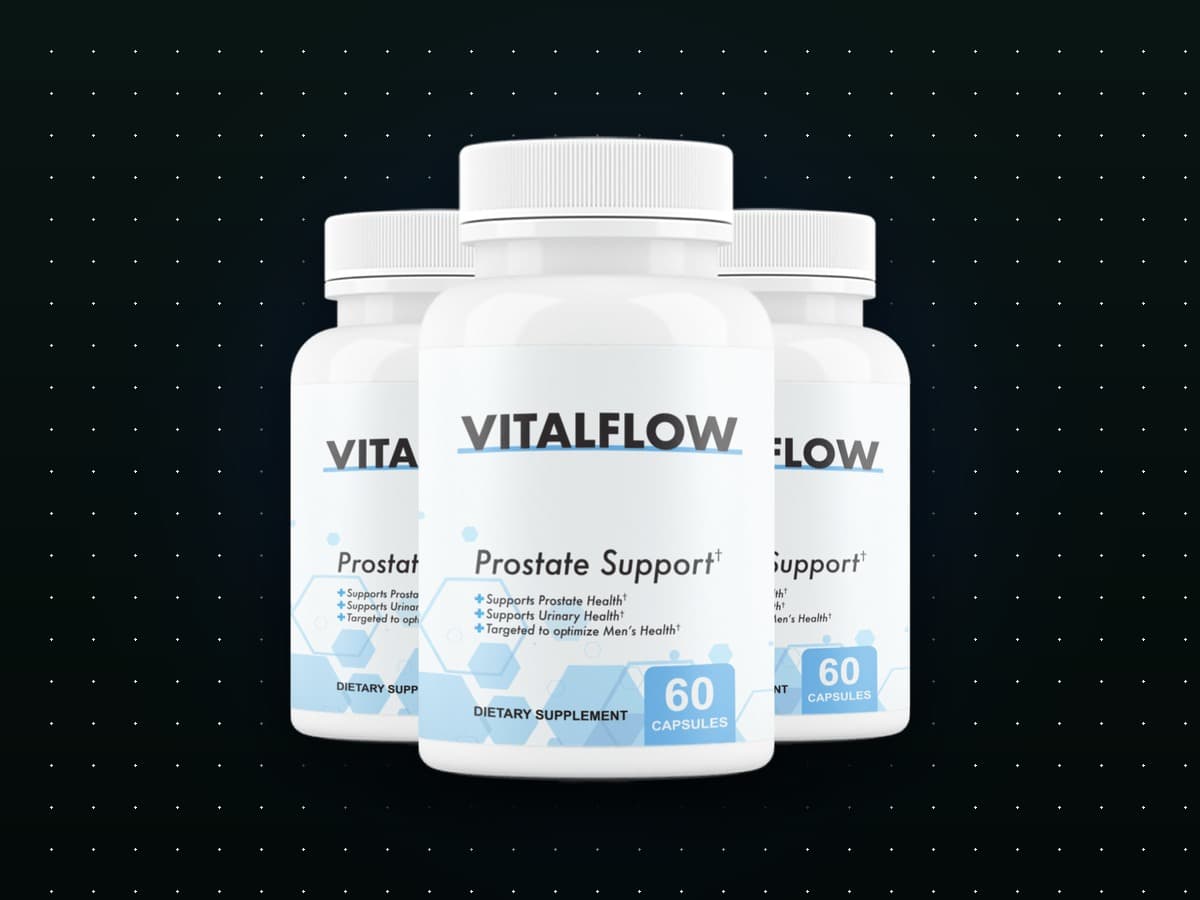
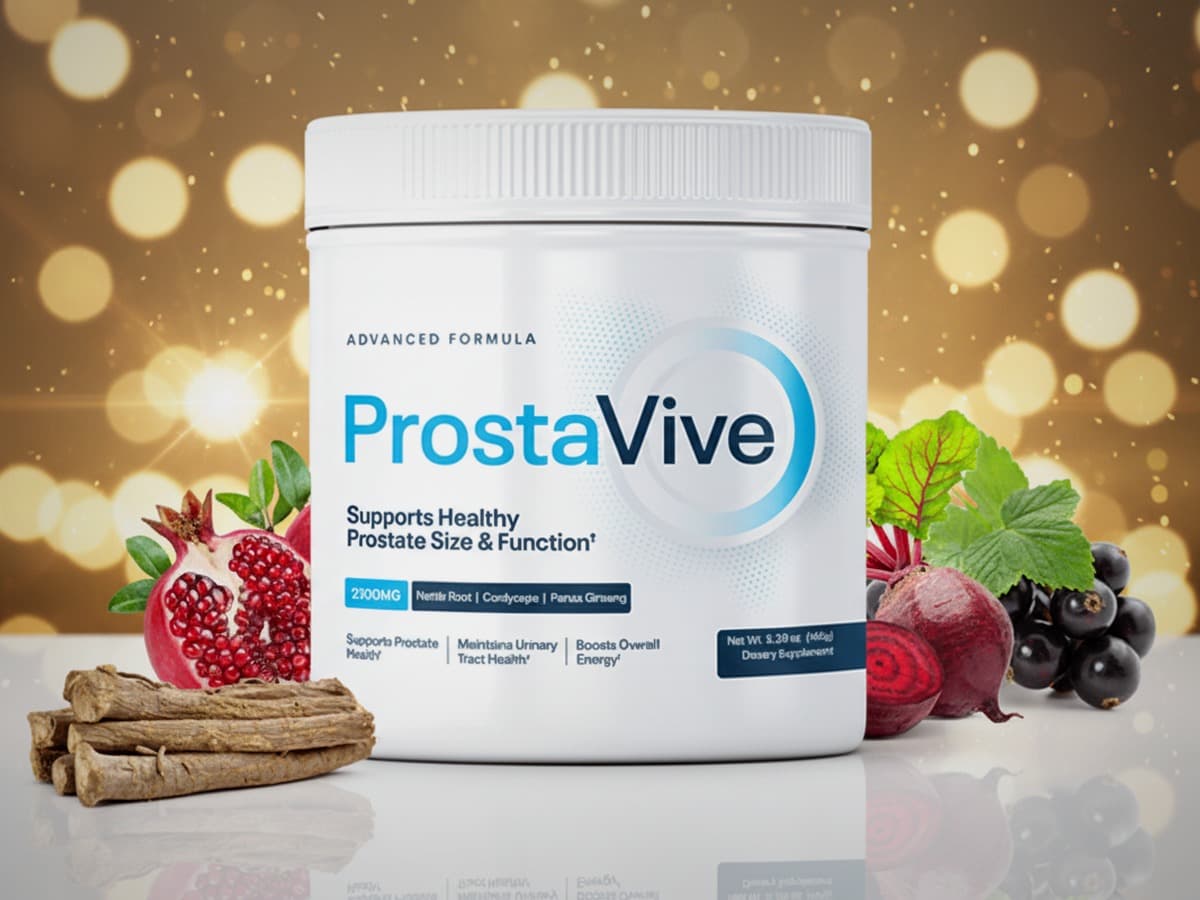
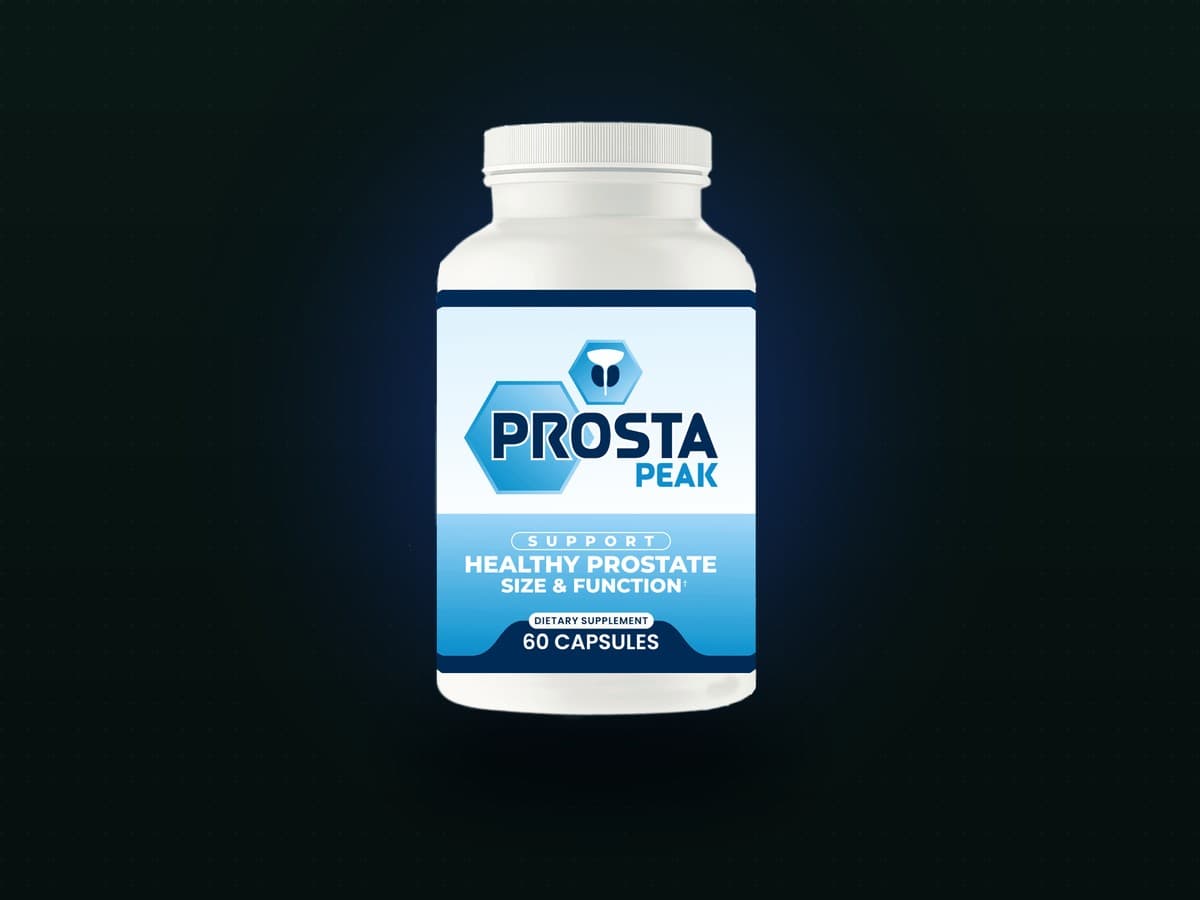
Supplements we've reviewed on this topic
Thinking about a product? Read our honest, evidence-based breakdown before you buy.

VitaGlobe Editorial Team
Independent research desk — evidence reviewed against peer-reviewed sources
The VitaGlobe editorial team researches supplements against published, peer-reviewed evidence. We use indicative language, cite real findings, and flag where evidence is weak. This is general information, not medical advice.