Does Hydroxyapatite Really Repair Tooth Enamel? The Remineralization Science, Honestly

VitaGlobe Editorial Team
Independent research desk — evidence reviewed against peer-reviewed sources
The toothpaste ingredient that rebuilds enamel — sort of
You have probably seen it on a trendy toothpaste tube or an oral-supplement label: hydroxyapatite, billed as a fluoride-free way to “repair” your enamel. Here is why it is genuinely interesting and not just another buzzword — it is not a foreign chemical trying to do something to your teeth; it is what your teeth are largely made of. That gives it a real, honest basis for supporting enamel. But “makes sense” and “works in every format” are two very different things — and the gap between them is exactly where your money can get wasted. Let us separate what the evidence actually shows.
What enamel is, and why it “demineralizes”
Tooth enamel is the hardest substance in your body, built mostly from a crystal called hydroxyapatite (calcium and phosphate). Every day, acids — from bacteria feeding on sugar, or from acidic foods and drinks — pull minerals out of enamel (demineralization). Saliva and minerals push them back in (remineralization). Tooth decay is simply what happens when the losing side wins over time.
Where hydroxyapatite genuinely shines: topical
The strongest evidence for hydroxyapatite is topical — as an ingredient in toothpaste. There, tiny (nano) hydroxyapatite particles can help fill microscopic gaps in enamel and support remineralization, and several studies find it a credible alternative to fluoride for this purpose. Applied directly to the tooth surface, the mechanism makes sense and the data is reasonably encouraging.
Where the evidence gets thin: swallowed supplements
Here is the honest catch. A growing number of oral-health supplements (capsules you swallow) include hydroxyapatite. But the evidence base for hydroxyapatite is built on topical use — putting it on the tooth. Whether a swallowed capsule delivers a meaningful amount to your actual enamel surface is far less certain. It is not that it is useless; it is that the strong evidence does not automatically transfer from toothpaste to a pill.
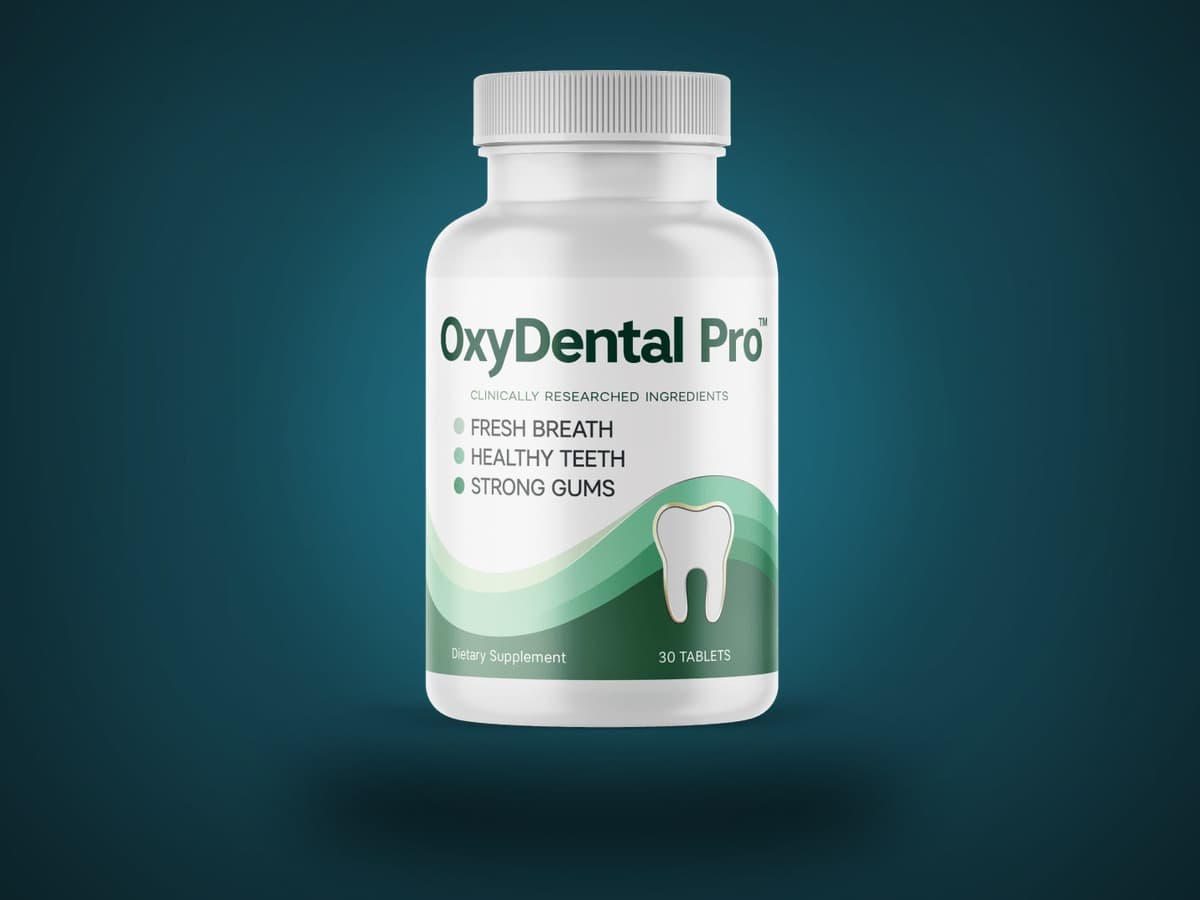
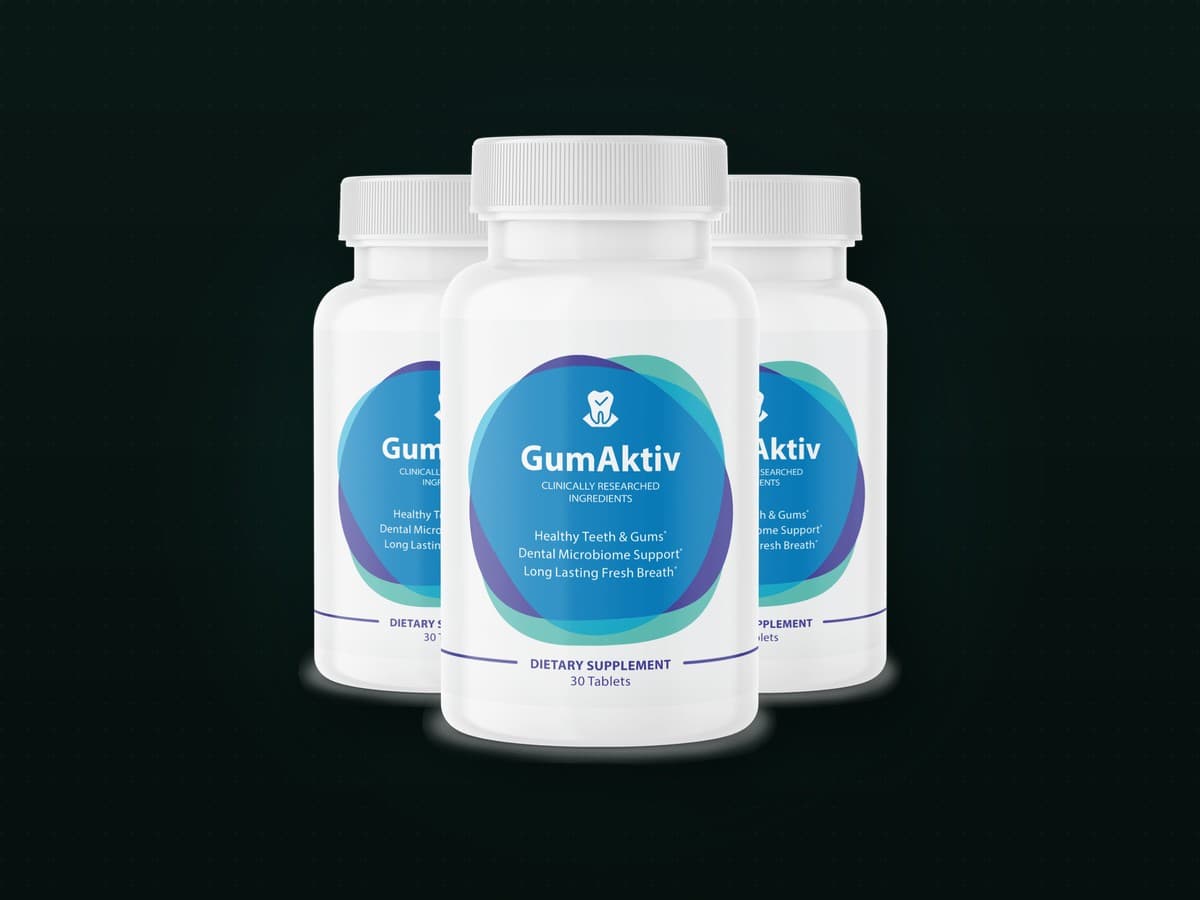
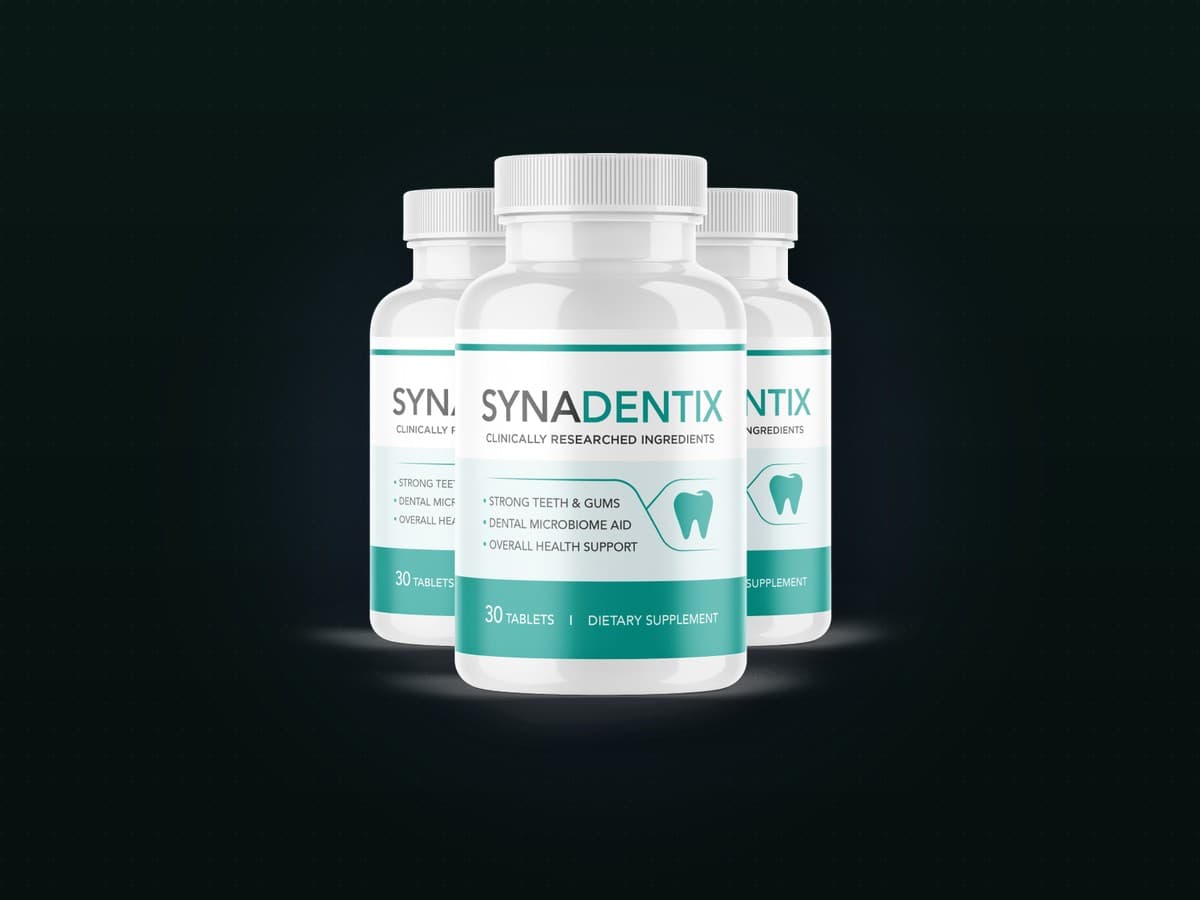
This is exactly the nuance worth checking in a supplement that pairs hydroxyapatite with plaque-targeting enzymes and probiotics. The ingredients are on-theme and interesting, but the delivery question is real.
What it cannot do
How it fits with oral probiotics
Many modern oral products combine hydroxyapatite (for enamel) with oral probiotics (for the bacterial balance behind gums and breath). That pairing is logical: minerals for the tooth, good bacteria for the environment. We cover the probiotic half in do oral probiotics work for gum health.
An honest takeaway
This is general information, not medical or dental advice.
Frequently Asked Questions
Can hydroxyapatite rebuild tooth enamel?
It can support remineralization — helping replace minerals lost to acid — especially as a topical toothpaste ingredient, where the evidence is strongest. It cannot rebuild enamel that is already lost to a true cavity, which needs a dentist.
Is hydroxyapatite better than fluoride?
Several studies find nano-hydroxyapatite toothpaste a credible alternative to fluoride for supporting enamel, which is why it appeals to people avoiding fluoride. Both work topically; the choice is individual and worth discussing with your dentist.
Do swallowed hydroxyapatite supplements work?
The strong evidence for hydroxyapatite is topical (on the tooth). Whether a swallowed capsule delivers a meaningful amount to your enamel is far less certain, so keep expectations measured and treat it as a complement to good hygiene, not a proven fix.
Supplements we've reviewed on this topic
Thinking about a product? Read our honest, evidence-based breakdown before you buy.

VitaGlobe Editorial Team
Independent research desk — evidence reviewed against peer-reviewed sources
The VitaGlobe editorial team researches supplements against published, peer-reviewed evidence. We use indicative language, cite real findings, and flag where evidence is weak. This is general information, not medical advice.